



Description
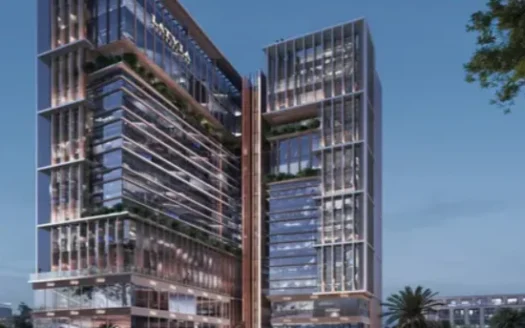
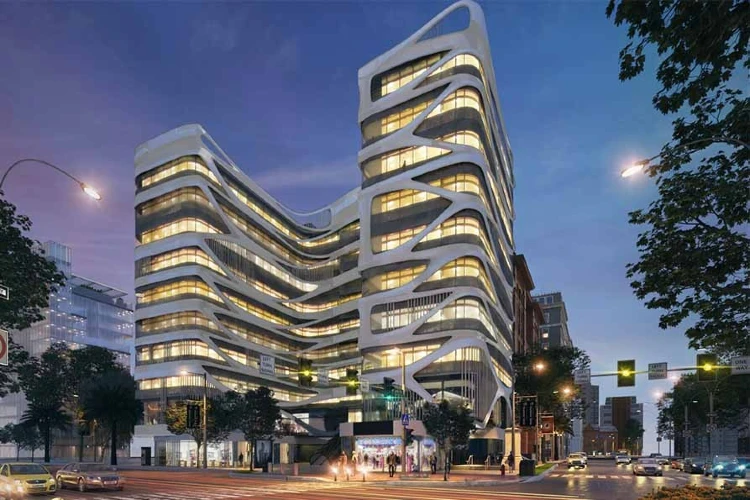
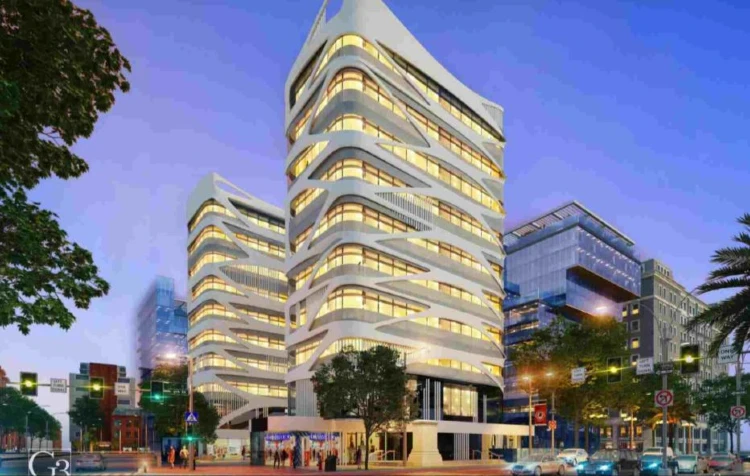
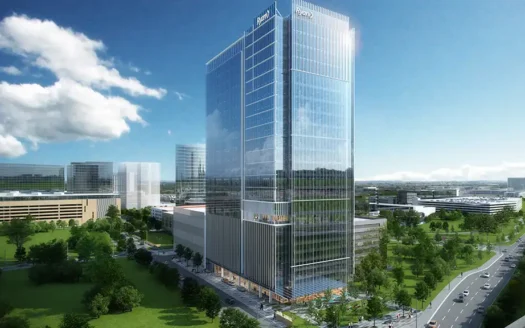
G3 Mall New Capital is a mixed-use project by United Development sitting in the MU-23 district of Egypt’s New Administrative Capital. The complex spans 3,000 square meters across nine floors with three basement levels for parking. What makes it different from a typical shopping mall is the intentional mix: 31 commercial shops on the lower floors, then 88 medical clinics and 40 administrative offices stacked above, each with separate entrances and independent operations.
If you’re a doctor looking to set up a practice, a small business owner needing retail space, or a company seeking office real estate in the capital, this project bundles those options under one roof. Pricing starts at 920,000 EGP, and the developer offers payment terms stretching up to 10 years. The project isn’t flashy or marketed as a lifestyle destination. It’s designed as a functional commercial building where different business types can operate side by side without interfering with each other.
G3 Mall New Capital Location
G3 Mall sits on Hope Axis in the MU-23 zone, positioned between residential neighborhoods R2 and R3. The location places it near the main Suez Road entrance to the capital, which means visibility for anyone arriving from Greater Cairo. This positioning serves roughly 50,000 residential units in the surrounding areas, giving the mall a built-in local population.
Nearby landmarks include Green River Park about 10 minutes away by car, the Ministries District roughly 15 minutes out, and the Embassies Quarter around 20 minutes. Amazon Tower and Sins Mall are close competitors in the commercial space. The location is accessible and well-connected to main infrastructure, but it’s not a premium downtown address. For businesses targeting the administrative capital’s local workforce and residents, the location works fine. If you need maximum visibility across the entire city, this isn’t it.
What Unit Types Are Available
G3 Mall New Capital divides its space into three categories, each with its own purpose and design.
- Commercial units occupy the ground and first floors—31 shops total. Sizes range from 37 to 100 square meters. These spaces work for cafes, restaurants, retail shops, and service businesses that benefit from walk-in traffic. Ground-floor units command higher prices because of visibility.
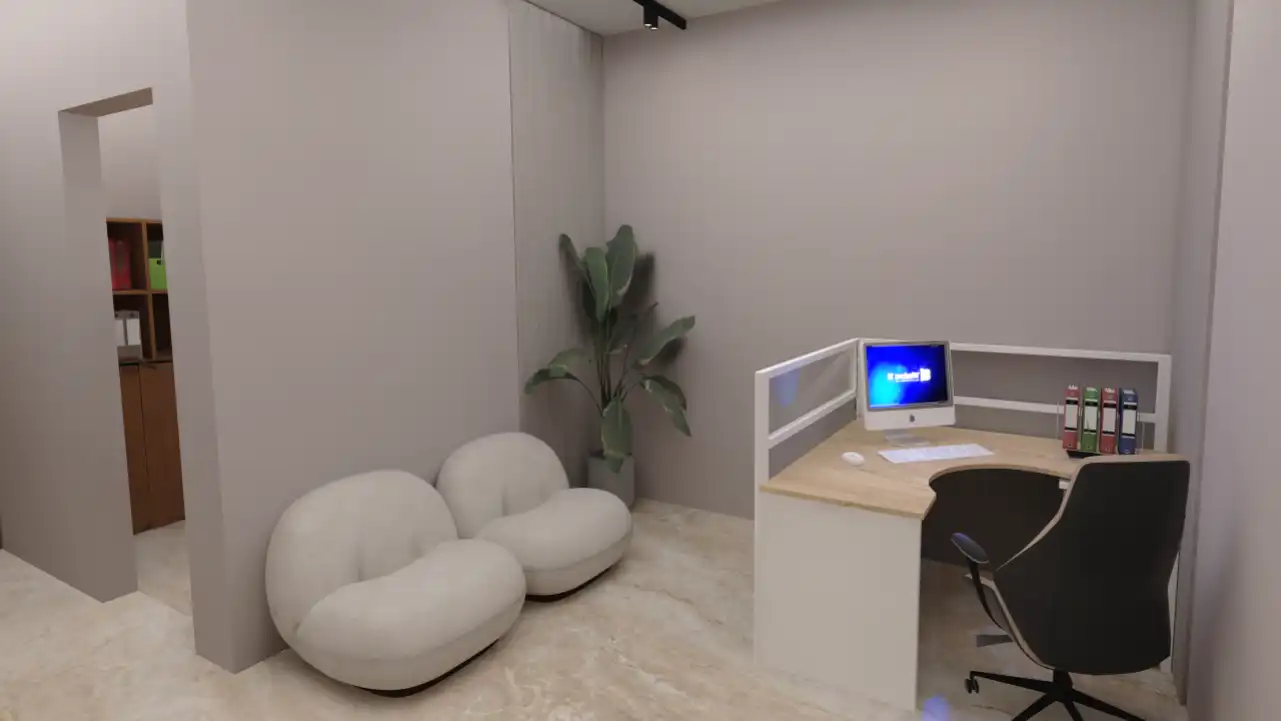
- Medical units take up floors two through the top, with 88 clinics available. Space ranges from 55 to 136 square meters, allowing solo practitioners or multi-doctor operations. Each medical unit has its own entrance, so patients don’t mix with retail shoppers or office workers.
- Administrative units occupy the same upper floors as medical spaces, offering 40 offices in the 55 to 136 square meter range. These suit corporate offices, law firms, consulting practices, and government-related operations. Like medical units, they have dedicated entrances.
The separation is deliberate. A patient entering a clinic doesn’t pass through retail stores. Office workers use different elevators and corridors. This compartmentalization adds complexity to the building’s design but appeals to tenants who care about professional environment and privacy.
Pricing and How Payments Work
G3 Mall New Capital prices vary by type and size. There’s no flat rate—what you pay depends on whether you’re buying retail, medical, or office space.
- Commercial units start around 920,000 EGP for smaller retail spaces. Per-square-meter pricing runs between 55,000 and 85,000 EGP. Ground-floor units cost more because of foot traffic and visibility.
- Medical units begin near 1,045,000 EGP for a basic clinic. Per-square-meter rates fall between 21,000 and 27,000 EGP. Medical pricing is lower than retail because doctors prioritize a professional environment over customer visibility.
- Administrative units sit between medical and commercial pricing, with per-square-meter rates from 30,000 to 45,000 EGP. Office tenants pay for location and professional setting but don’t need the retail premium.
Payment structures differ by unit type in G3 Mall New Capital. For commercial units, you pay 10% upfront, another 10% when the unit is delivered, then spread the remaining 80% over seven years. For medical and administrative units, it’s the same 10% and 10%, but the remaining balance goes over 10 years instead. You’ll also pay a 10% maintenance deposit before taking possession.
Mall G3 Units’ come fully finished with central air conditioning. The developer targets delivery within 18 months from purchase, though actual timelines depend on construction progress.
G3 Mall New Capital Services and Infrastructure
G3 Mall New Capital includes standard operational infrastructure designed to support medical practices, retail shops, and office tenants.
- Five modern elevators move people between floors. Three basement levels provide 270 parking spaces—important in a city where surface parking is limited. Solar lighting systems reduce electricity costs in common areas. Central air conditioning maintains consistent temperatures throughout. High-speed internet is available in all units, essential for medical records systems, office work, and retail operations.
- Security in G3 Mall New Capital runs 24/7 with guards and surveillance cameras covering all floors and outdoor areas. Backup power generators keep electricity flowing during outages, which matters for medical facilities and businesses that can’t afford downtime. Daily cleaning services maintain common areas. A dedicated property management company handles ongoing maintenance across the building.
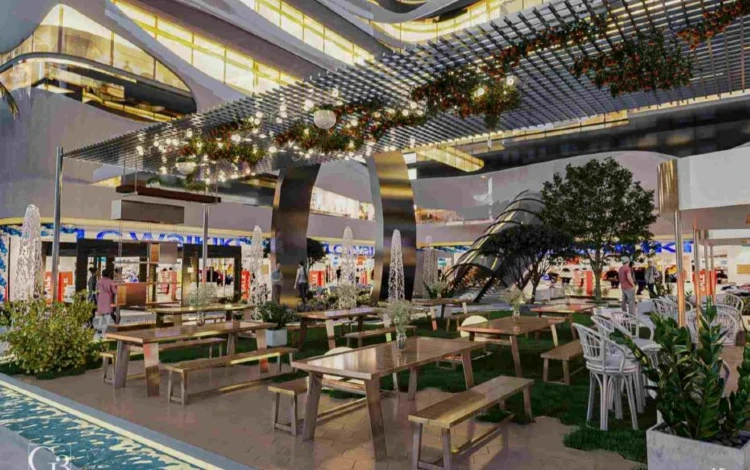
- Additional amenities include a health club with spa and sauna, a mosque for prayer, and outdoor seating areas. Display screens throughout allow tenants to advertise their services. Signage is customized for each business.
- These aren’t lifestyle perks in Mall G3 New Capital. They’re operational necessities that support business function.
The New Administrative Capital Context
G3 Mall viability connects partly to what’s happening in the broader capital. The city has attracted government ministries, corporate offices, and residential development. Eventually, it’s planned to house 6.5 million people, though current population is much lower.
For medical and administrative tenants in Mall G3, proximity to government offices and growing residential areas creates genuine business potential. Clinics serve the expanding workforce and local population. Administrative offices benefit from government contracts and private sector expansion. Retail depends on local shopping patterns and foot traffic.
The catch: the capital’s development is ongoing. Infrastructure continues expanding, and not all planned districts are fully operational. If you’re betting on rapid growth, monitor actual population movement and commercial activity rather than relying on master plans. The city will eventually fill out, but timelines matter for business planning.
Real Limitations and Tradeoffs
Mixed-use projects create advantages and complications. The separation of commercial, medical, and administrative functions means retail tenants don’t gain from passing medical patients, and office workers don’t contribute to retail sales. A unified mall creates cross-traffic; this project intentionally prevents it.
The MU-23 location on Hope Axis is accessible but not premium. Retail tenants expecting maximum city-wide visibility may find the location limits their market reach. The mall primarily serves local residents and administrative capital workers rather than drawing customers from across the city.
Completion timelines depend on construction execution. The New Administrative Capital has experienced delays on other projects, so the 18-month delivery target should be treated as an estimate. Confirm current project status before committing.
Competition is increasing. Other mixed-use projects and standalone commercial properties in the capital offer alternatives. Mall G3’s advantage rests on specific location, mixed-use format, and flexible payment terms rather than unique positioning.
Frequently Asked Questions
What businesses perform well here?
Medical practices, dental clinics, and specialized healthcare services work well because of dedicated entrances and professional environments. Administrative offices serving government or corporate clients benefit from proximity to ministries. Retail works for businesses targeting local residents. Cafes and restaurants do reasonably well with foot traffic from medical and office tenants.
How does separating unit types affect operations?
Separate entrances mean medical patients don’t pass through retail shops, and office workers maintain distinct circulation patterns. This appeals to tenants prioritizing professional environments but reduces cross-traffic that might boost retail sales. Each unit type operates somewhat independently rather than as an integrated ecosystem.
What are realistic delivery timelines?
United Development states 18 months from purchase to delivery. Actual timelines depend on construction progress and market conditions. Confirm current project status with the developer—don’t assume stated timelines are guaranteed.
Is the location convenient for customers?
The MU-23 position on Hope Axis provides good accessibility for local residents and capital workers. It’s visible from main roads but isn’t a premium downtown location. Suitability depends on whether your business targets local populations or requires city-wide visibility.
How do payment terms compare to other capital projects?
The 10% down, 10% upon delivery, with 7–10 year installments is standard for New Capital commercial projects. Some competitors offer similar terms; others require higher upfront payments. Don’t let payment structure alone drive your decision—focus on whether the space and location fit your actual business needs.
What if the capital develops slower than projected?
Slower population growth would reduce demand for medical, retail, and administrative space. Tenant vacancy could increase if residential and commercial development lag. Monitor real activity in the area rather than relying solely on government growth projections.
G3 Mall New Capital is a straightforward mixed-use commercial property for medical practitioners, administrative offices, and retail businesses establishing operations in the New Administrative Capital. It offers varied unit sizes, reasonable payment structures over 7–10 years, and operational support through dedicated facilities and management.
Location accessibility and proximity to growing residential and administrative populations provide genuine business potential for the right tenant types. The project isn’t a speculative play on future city growth or a luxury investment. It’s functional commercial real estate serving specific business needs in a developing area.
Success depends on matching your business type to the unit category, understanding local market conditions in MU-23, and evaluating whether the location actually serves your customer base. Review current availability, confirm delivery timelines with the developer, and assess whether the space and payment terms fit your operational requirements before proceeding.
Frequently Asked Questions
Medical practices, dental clinics, and specialized healthcare services work well because of dedicated entrances and professional environments. Administrative offices serving government or corporate clients benefit from proximity to ministries. Retail works for businesses targeting local residents. Cafes and restaurants do reasonably well with foot traffic from medical and office tenants.
Separate entrances mean medical patients don’t pass through retail shops, and office workers maintain distinct circulation patterns. This appeals to tenants prioritizing professional environments but reduces cross-traffic that might boost retail sales. Each unit type operates somewhat independently rather than as an integrated ecosystem.
United Development states 18 months from purchase to delivery. Actual timelines depend on construction progress and market conditions. Confirm current project status with the developer—don’t assume stated timelines are guaranteed.
The MU-23 position on Hope Axis provides good accessibility for local residents and capital workers. It’s visible from main roads but isn’t a premium downtown location. Suitability depends on whether your business targets local populations or requires city-wide visibility.
The 10% down, 10% upon delivery, with 7–10 year installments is standard for New Capital commercial projects. Some competitors offer similar terms; others require higher upfront payments. Don’t let payment structure alone drive your decision—focus on whether the space and location fit your actual business needs.
Slower population growth would reduce demand for medical, retail, and administrative space. Tenant vacancy could increase if residential and commercial development lag. Monitor real activity in the area rather than relying solely on government growth projections.
G3 Mall New Capital is a straightforward mixed-use commercial property for medical practitioners, administrative offices, and retail businesses establishing operations in the New Administrative Capital. It offers varied unit sizes, reasonable payment structures over 7–10 years, and operational support through dedicated facilities and management.
Location accessibility and proximity to growing residential and administrative populations provide genuine business potential for the right tenant types. The project isn’t a speculative play on future city growth or a luxury investment. It’s functional commercial real estate serving specific business needs in a developing area.
Success depends on matching your business type to the unit category, understanding local market conditions in MU-23, and evaluating whether the location actually serves your customer base. Review current availability, confirm delivery timelines with the developer, and assess whether the space and payment terms fit your operational requirements before proceeding.
Similar Listings

Core The Business Hub New Capital
Iris Mall New Capital | A Practical Look...
Prices of Ryan Tower Mall New Capital 20...