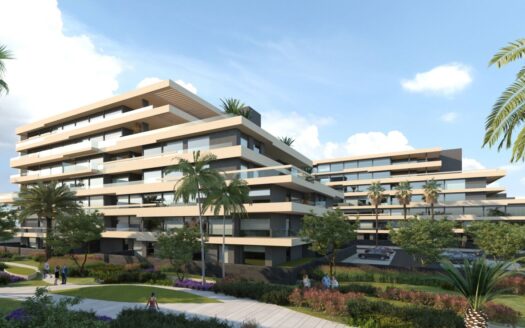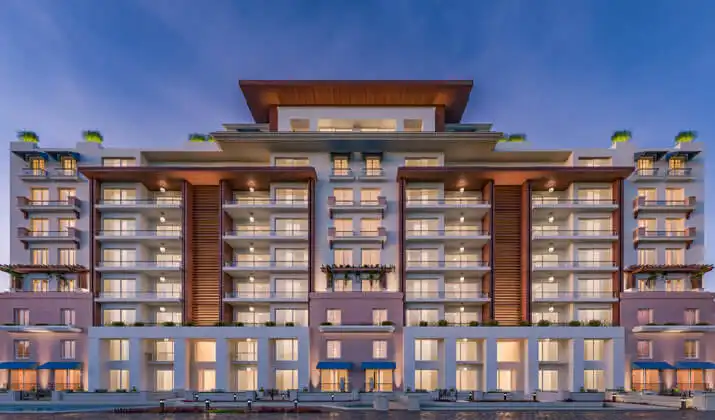
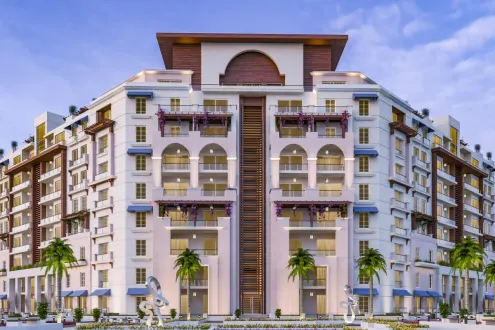
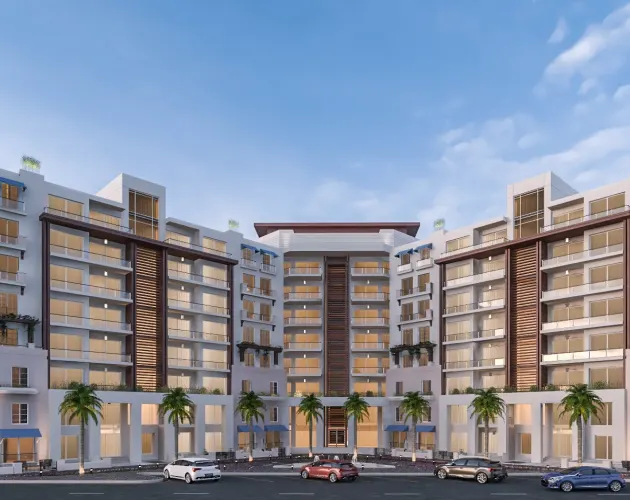

Description
When you’re sorting through residential options in the New Administrative Capital, Jnoub doesn’t announce itself with grand claims. Developed by Orientals for Urban Development (OUD), the compound occupies 48 acres in R7 district with a simple premise: spread 23 buildings across enough space that residents aren’t staring into neighboring windows, add functional amenities, and price it for mid-level buyers rather than the diplomatic set.
The project’s main distinction is what it doesn’t do. OUD didn’t cram maximum units onto the plot. They allocated roughly 80% of the land to landscaping, roads, and facilities rather than buildings. For buyers weighing density against livability in the capital’s still-developing sectors, that ratio matters more than marketing language about “integrated communities.”
This breakdown examines where Jnoub sits in the capital’s layout, what the units actually include, and which buyer profiles should consider it versus the dozen other R7 compounds competing for the same market.
How OUD Structured the Jnoub Development
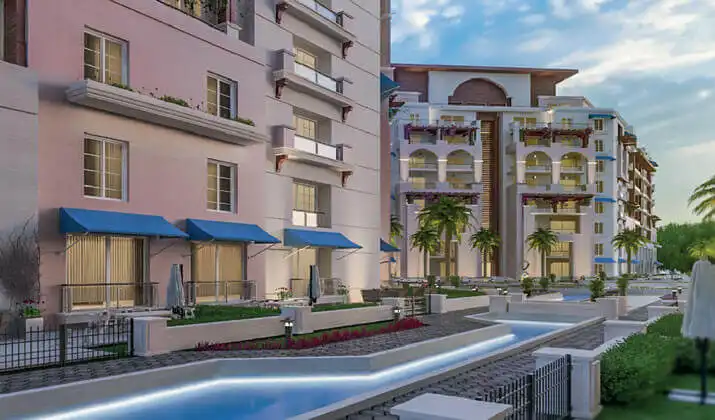
Jnoub operates on controlled density—a term that sounds like marketing but translates to measurable spacing. The 23 residential buildings average about 2 acres each when you account for shared facilities. Each structure rises eight floors with four units per level, serviced by two elevators and dual staircases (one designated for emergencies).
The site divides into blocks containing three buildings each. Spacing between structures runs 18 to 35 meters depending on orientation. That’s not extraordinary by international standards, but it exceeds the 12-15 meter gaps common in denser New Capital projects. Most units capture views of internal landscaping rather than facing adjacent balconies directly.
OUD’s previous work includes Heliopolis Hills and Baron City in Maadi—projects favoring classical architecture over experimental designs. Jnoub follows that template with European-influenced facades, symmetrical balconies, and neutral exterior palettes. Engineer Omar Aqil handled design consultation after working on Lake House and Hilton Alexandria projects that prioritize visual consistency.
Construction materials follow Egyptian building codes: reinforced concrete frames, ceramic-clad exteriors rated for the capital’s temperature swings and periodic sandstorms. Current completion sits at 70%, with handover scheduled 18 months from contract signing based on recent timelines.
The developer included more parking than units—roughly 1.3 spaces per apartment when combining basement levels and surface lots. That detail addresses complaints from earlier New Capital compounds where street parking turned chaotic within months of occupancy.
Compound Jnoub New Capital Location
Jnoub New Capital sits on plot G6 in the R7 residential district, directly across from the Diplomatic Quarter. That placement matters for two practical reasons: proximity to planned government facilities and access to the capital’s primary road network.
The site lies 2 kilometers from the Green River, the capital’s central park corridor running north-south through developed zones. Mohamed Bin Zayed Axis borders the compound to the east, connecting to the Regional Ring Road in under 5 minutes. From there, you reach Ain Sokhna in 45 minutes or return to Cairo via Suez Road in roughly 40 minutes outside peak traffic.
Landmarks within 10 minutes:
- British University: 3 km northeast
- Government District: 4 km north
- Medical City complex: 6 km northwest
- Al Fattah Al Aleem Mosque: 5 km north
Capital International Airport sits 15 kilometers southeast—about 18 minutes in light traffic. The Monorail’s eastern line, when operational, will have a station roughly 3 kilometers away, though completion dates remain uncertain.
The surrounding R7 infrastructure is functional but incomplete. Roads, electricity, and water connections operate, but commercial services remain thin. Residents currently drive 10-15 minutes to reach established supermarkets, international schools, and specialized medical facilities in more developed sectors.
Unit Specifications and What You Actually Get
Jnoub New Capital provides two main categories: apartments dominating the inventory with roughly 23,000 units planned, and standalone villas occupying perimeter sections separated by internal roads.
Apartment configurations:
- 130 m²: Two bedrooms, two bathrooms, kitchen, reception, balcony
- 158 m²: Three bedrooms, two bathrooms, expanded reception area
- 168-180 m²: Three to four bedrooms, three bathrooms, dual balconies
- 226-246 m²: Four to five bedrooms, three to four bathrooms, larger reception spaces
Ceiling heights measure 3 meters standard. Base finishes include reinforced concrete slabs and ceramic tile flooring. Kitchens come with cabinetry frames but no appliances. Bathrooms include basic sanitaryware and fittings—most buyers upgrade fixtures before moving in.
Villa specifications:
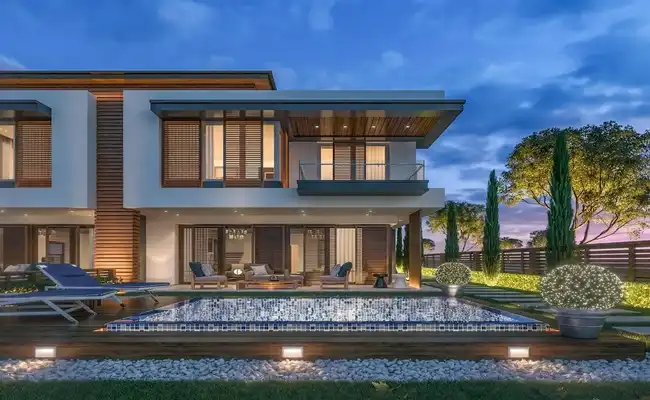
- 250-324 m²: Standalone designs with private gardens, three to four bedrooms
- 362-388 m²: Larger plots with ground-floor reception, upper-level bedrooms
- 500 m²: Limited availability, typically corner plots with extended outdoor space
Villas in Jnoub New Capital include external walls enclosing garden areas with provisions for private pools (buyers handle installation separately). Parking accommodates two vehicles per villa within the plot boundary.
Each building includes basement-level parking plus surface lots. The design allocates more spaces than units to avoid the street parking chaos seen in earlier capital projects.
Pricing Breakdown and Payment Terms
Current pricing for Jnoub New Capital starts at 3,785,600 EGP for entry-level apartments, with per-square-meter rates beginning around 39,500 EGP. These figures position the compound mid-tier within R7—more accessible than diplomatic-adjacent towers but above outer-district projects.
Price ranges by unit type:
- 130 m² apartments: 3.78-4.2 million EGP
- 158 m² units: 4.8-5.5 million EGP
- 226 m² apartments: 7-8 million EGP
- 250 m² villas: 9.5-11 million EGP
- 362 m² villas: 13-15 million EGP
Prices of Jnoub New Capital fluctuate based on floor level (higher floors command premiums), view orientation (Green River-facing units cost more), and block location (perimeter blocks near main gates price higher).
OUD offers a standard payment plan: 10% down payment with the balance spread over seven years in equal installments. No explicit interest applies, though the pricing structure already accounts for deferred payment—comparing per-square-meter rates to cash-only transactions in similar compounds reveals a 12-18% premium embedded in the price. This approach is standard across Egyptian real estate rather than unique to Jnoub.
Alternative payment structures occasionally surface during promotional periods—8-year terms or reduced down payments—but these depend on inventory levels and sales velocity. The developer doesn’t advertise financing partnerships with banks, meaning buyers typically arrange mortgages independently if needed.
Maintenance fees haven’t been finalized but are estimated at 8-10 EGP per square meter monthly, covering landscaping, security, and shared facility upkeep. This falls within the New Capital’s average range.
Jnoub New Capital Amenities and Daily Infrastructure
Jnoub Compound New Capital allocates roughly 60% of its 48 acres to non-residential uses. The amenities package aims for self-sufficiency, reducing the need to leave the compound for basic services.
Core facilities include:
- Commercial strip with 40+ retail units (grocery, pharmacy, cafes)
- Medical center with general practitioners and dental clinic
- Social club spanning 3,000 m² with multipurpose halls
- Gym with cardio and weight training zones
- Spa facilities: sauna, jacuzzi, massage rooms
- Swimming pools: main pool (25m), children’s pool, ladies-only section
- Sports courts: football, basketball, tennis
- Jogging track (1.8 km loop) and separate cycling lanes
The internal road of Jnoub network uses a one-way system to minimize through-traffic, with speed bumps limiting vehicles to 20 km/h in residential zones. Electronic gates at three main entrances use RFID cards for resident access, with visitor registration required at security checkpoints.
Green spaces incorporate native Egyptian plants selected for low water requirements—palms, acacias, and bougainvillea dominate. Artificial lakes total approximately 8,000 m² of surface area, functioning as decorative features rather than recreational water bodies (no swimming or boating allowed).
Who Jnoub Fits and Who It Doesn’t
Jnoub works best for specific buyer profiles. Government employees relocating to the capital find the R7 location practical, cutting commute times to ministry offices. Diplomatic community members benefit from proximity to embassies and international organizations clustering in adjacent zones.
Families with school-age children face a trade-off: the compound’s green space and lower density suit kids, but school runs to institutions in other districts add logistical complexity. Retirees seeking quieter surroundings might appreciate the controlled environment, though the New Capital’s limited healthcare infrastructure compared to Cairo’s established hospitals could be a concern.
Investors eyeing rental income should note that the New Capital’s occupancy rates remain below projections, with many compounds reporting 40-60% vacancy. Jnoub’s mid-tier pricing positions it for civil servants and mid-level professionals rather than high-net-worth expats, which could stabilize rental demand as government operations expand.
The compound doesn’t suit buyers wanting immediate urban energy. The surrounding R7 district is still developing, with construction sites and incomplete infrastructure visible beyond the compound walls. Nightlife, cultural venues, and diverse dining options remain scarce across the capital.
For those prioritizing space over location, Jnoub delivers. The 35-meter building separations and landscaping ratios exceed many competitors. But if proximity to Cairo’s established neighborhoods matters—for work, family, or lifestyle reasons—the 50-kilometer distance from central Cairo becomes a daily calculation.
Comparing Jnoub New Capital to R7 Alternatives
Several compounds in the R7 district compete directly with Jnoub, each with distinct trade-offs.
- Layan Residence sits closer to the Diplomatic Quarter with slightly higher pricing (starting around 42,000 EGP/m²) but offers finished units and immediate occupancy in completed phases. Jnoub’s advantage lies in lower entry costs and longer payment terms.
- City Oval targets a similar buyer profile with comparable pricing, though its design emphasizes vertical towers over Jnoub’s mid-rise approach. Buyers preferring high-floor views lean toward City Oval; those wanting lower density choose Jnoub.
- Village de la Capitale by Palm Hills occupies a premium position with prices starting at 5.5 million EGP for smaller units. The brand name and finishing standards justify the premium for some buyers, but Jnoub Compound New Capital attracts cost-conscious purchasers willing to trade developer prestige for better value per square meter.
OUD’s reputation sits in the middle tier of Egyptian developers—solid execution on past projects without the marketing polish of Emaar or Sodic. This translates to fewer delays than smaller developers but less resale cachet than top-tier brands.
Frequently Asked Questions
What makes Jnoub different from other R7 compounds?
Jnoub emphasizes lower density compared to many New Capital projects, with only 20% of the 48-acre site dedicated to buildings. The spacing between structures (18-35 meters) exceeds typical urban developments, and the developer limited each floor to four apartments rather than six or eight. This creates more privacy and better natural light penetration. The trade-off is fewer total units, which could mean higher per-unit maintenance costs if the homeowners’ association spreads expenses across a smaller resident base.
How does OUD’s track record compare to larger developers?
Orientals for Urban Development operates as a subsidiary of Oriental Weavers, giving it financial backing of approximately 3.5 billion USD. The company has delivered projects like Baron City Maadi and Heliopolis Hills without major scandals or mass delays—a reasonable track record. However, OUD doesn’t match the brand recognition of Palm Hills or Emaar Misr, which can affect resale values. Buyers prioritizing on-time delivery and construction quality over prestige branding find OUD acceptable.
Is the seven-year payment plan genuinely interest-free?
OUD advertises the installment plan as interest-free, but the pricing structure already accounts for deferred payment. Comparing Jnoub’s per-square-meter rates to cash-only transactions in similar compounds reveals a 12-18% premium embedded in the price. This isn’t unusual in Egyptian real estate—developers price in the cost of capital rather than charging explicit interest. The seven-year term does provide flexibility for buyers who can’t secure bank financing.
What are the realistic rental yields in the New Capital?
Current rental yields across the New Capital average 4-6% annually, but occupancy remains the bigger challenge. Many compounds report vacancy rates above 50% as government relocation progresses slower than projected. Jnoub’s mid-tier positioning could attract civil servants once ministries fully staff their New Capital offices, but that timeline remains uncertain. Rental prices for 130 m² apartments in R7 currently range from 4,000-6,000 EGP monthly.
How functional is the surrounding infrastructure?
The R7 district has operational roads, electricity, and water connections, but commercial and service infrastructure lags. Residents currently drive 10-15 minutes to reach functioning supermarkets, schools, and hospitals in more developed sectors. The compound’s internal amenities (grocery, pharmacy, gym) partially offset this, but families with specific needs face longer commutes. The situation improves gradually as the capital develops, but buyers should expect 3-5 years before the surrounding area reaches full functionality.
Can foreigners purchase units in Jnoub?
Egyptian law permits foreign nationals to own property in the New Capital, though the process requires additional documentation compared to Egyptian buyers. Foreigners must obtain security clearance from the Ministry of Interior, which adds 4-8 weeks to the transaction timeline. However, foreign buyers face challenges securing Egyptian mortgages, typically requiring full cash payment or financing from their home countries. OUD’s payment plans help bridge this gap, allowing foreigners to spread payments over seven years without bank involvement.
Conclusion
Jnoub New Capital positions itself as a practical choice rather than an aspirational one. The compound delivers on spacing, greenery ratios, and access to the capital’s developing government core without the premium pricing of diplomatic-adjacent towers. OUD’s execution track record suggests buyers can reasonably expect delivery within stated timelines, though the New Capital’s broader infrastructure completion remains a variable outside any single developer’s control.
The project suits government employees, diplomatic staff, and families prioritizing space over urban density. It’s less appropriate for those wanting immediate neighborhood vitality or quick resale liquidity. The seven-year payment structure provides accessibility for buyers without full cash reserves, though the embedded pricing premium should factor into value calculations.
As the New Capital matures, R7 district compounds like Jnoub will either benefit from infrastructure completion and government presence, or struggle with sustained vacancies if relocation projections don’t materialize. Buyers comfortable with that uncertainty and planning medium-term holds will find the compound’s fundamentals—location, layout, and pricing—align with a straightforward residential investment.
Similar Listings
Suli Golf Residence New Capital | A Prac...
Compound Vinci New Capital | What You...
Ray Residence New Capital | A Straightfo...