


Description
Madar Mall stands as a significant commercial development in Egypt’s New Administrative Capital, developed by Tamayoz Developments—a real estate company with over two decades of experience across Saudi and Egyptian markets.
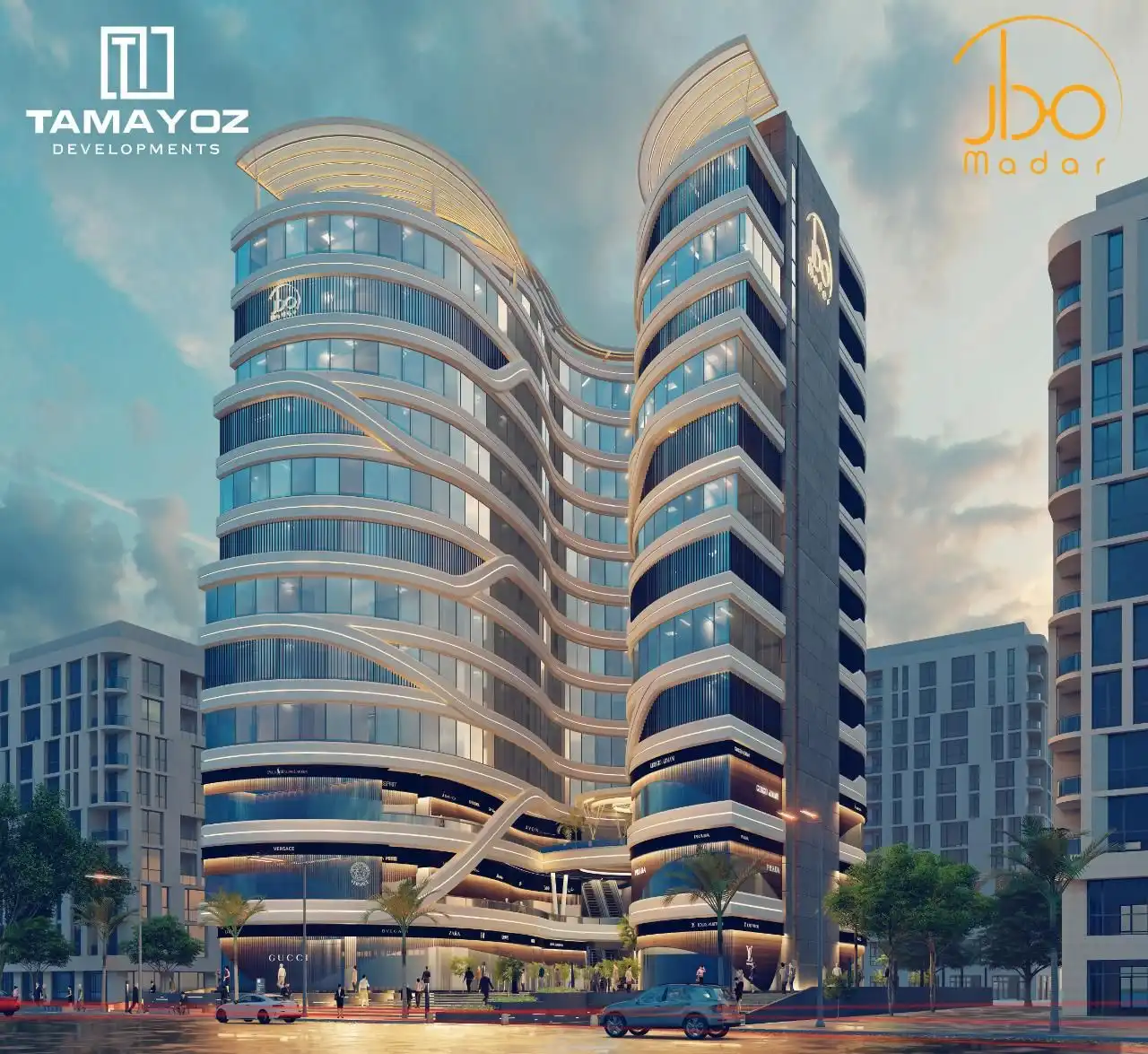
Located in Downtown New Capital, the project combines practical commercial space with modern infrastructure designed to serve businesses and visitors alike. The development spans 13,500 square meters across a ground floor and 12 additional levels, offering a mix of retail, administrative, and medical units.
What distinguishes this project isn’t marketing polish—it’s the straightforward approach to commercial real estate. Accessible location. Competitive pricing starting from 125,000 EGP per square meter. Payment flexibility that accommodates different investor profiles. Whether you’re exploring your first commercial investment or expanding an existing business, understanding Madar Mall requires examining the practical details: location specifics, available unit types, and whether the financial structure aligns with your situation.
Madar Mall New Capital Location and Accessibility
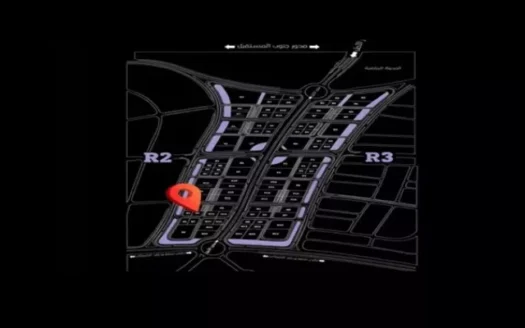
Madar Mall’s position in New Capital’s Downtown district represents one of its most tangible advantages. The mall sits directly on the tourist walkway, within minutes of Central Park and approximately 50 meters from it. This positioning isn’t arbitrary—the Downtown area has emerged as New Capital’s commercial spine, with consistent foot traffic from residents, office workers, and visitors throughout the day.
Location matters in commercial real estate. Madar New Capital benefits from proximity to the Government District and Ministries District, which means steady business activity from administrative personnel. The mall also sits near major landmarks: the Green River is a short drive away, and Masr Mosque is within reasonable distance. For businesses relying on visibility and customer accessibility, these details translate to operational advantages.
Infrastructure supporting the area continues improving. The monorail system and modern road networks now connect New Capital more efficiently to surrounding areas. While some investors initially hesitated about the distance from central Cairo (approximately 45 kilometers), improved connectivity has made commuting and logistics considerably more practical than in earlier project phases.
Madar Mall New Capital Design and Architecture
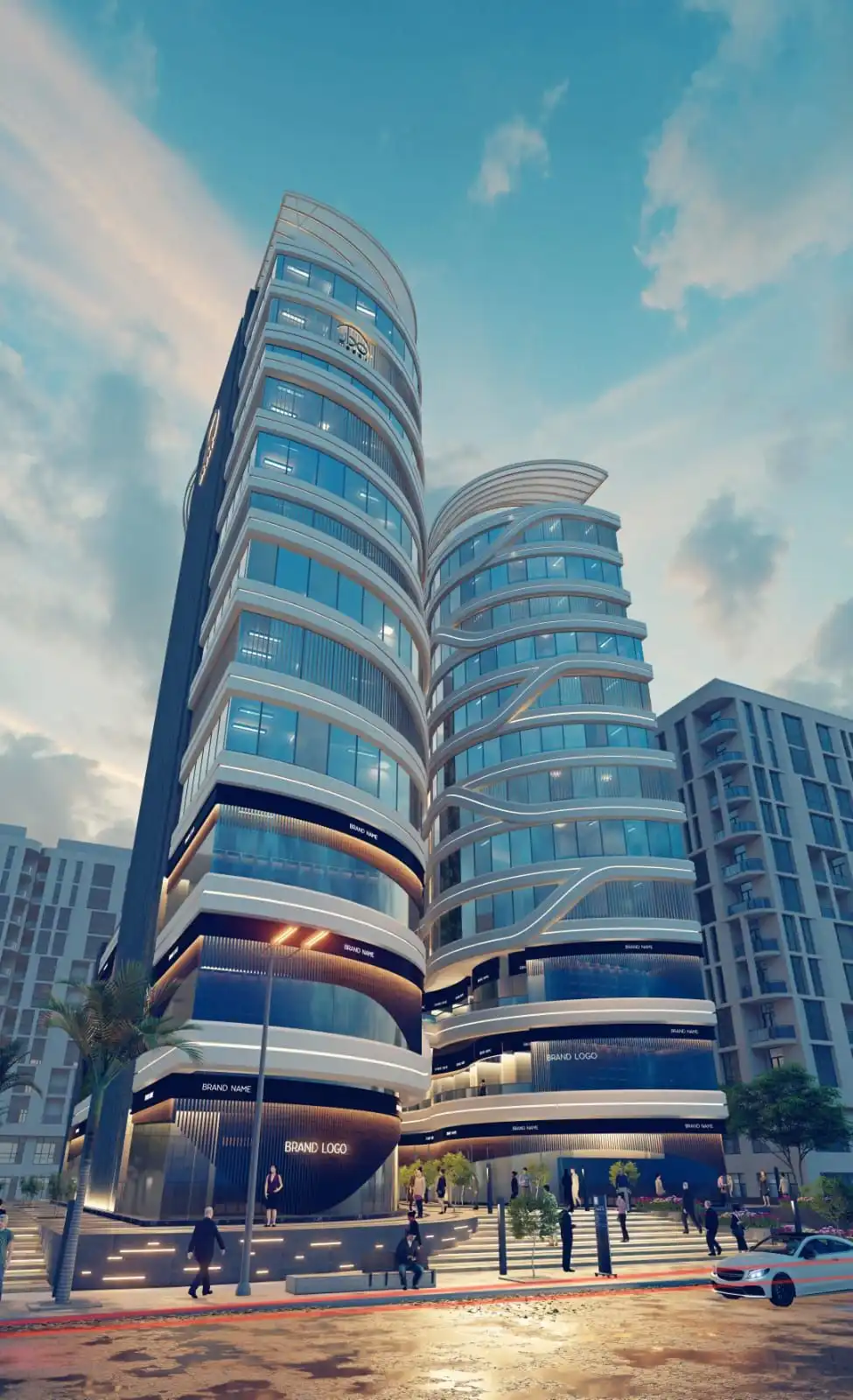
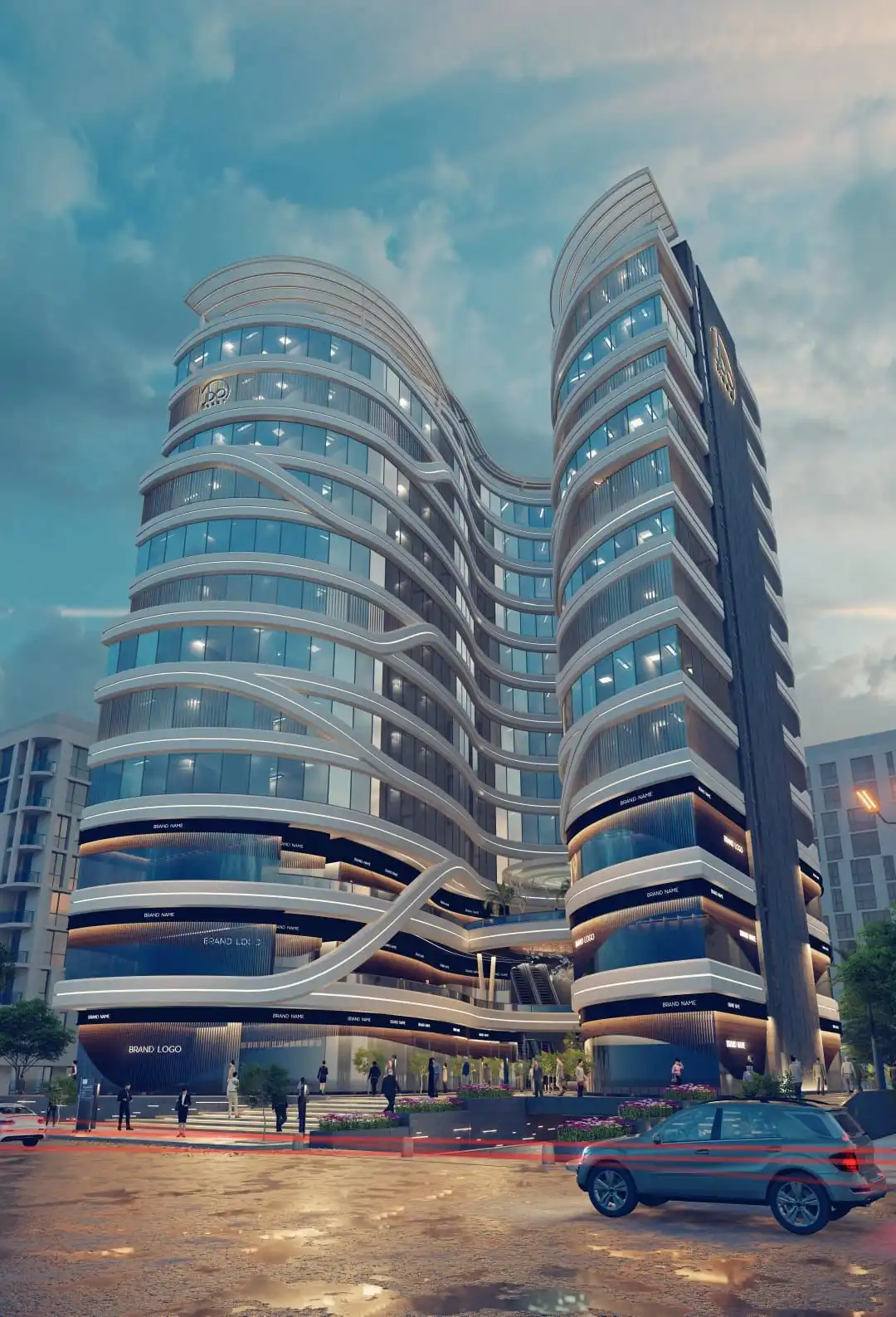
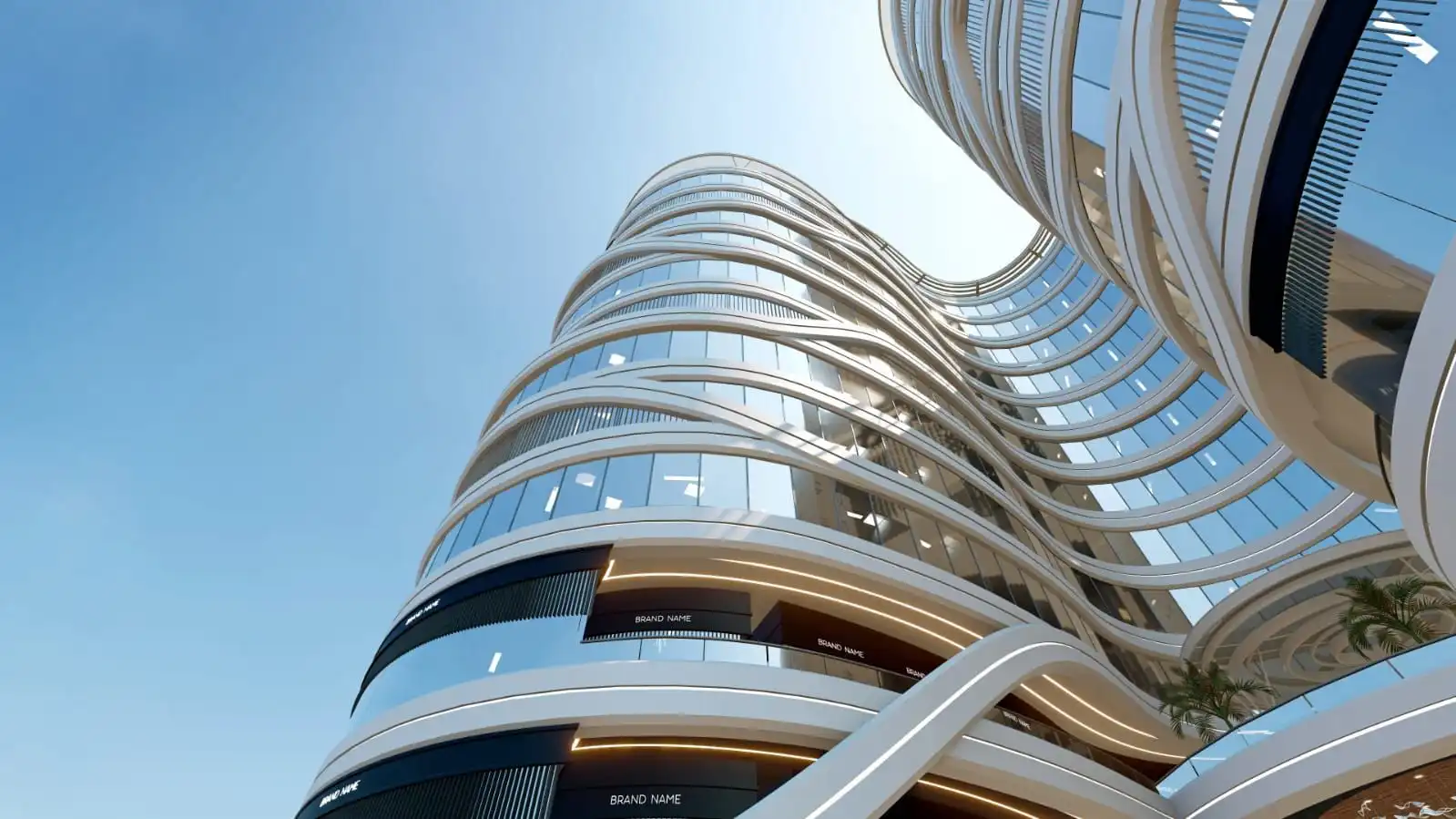
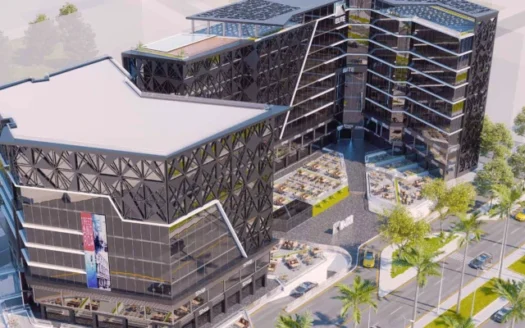
Madar Mall’s physical structure reflects a practical approach to commercial design. The building features reflective glass facades that manage heat and light in Egypt’s climate while creating visual interest. Interior design prioritizes functionality over unnecessary ornamentation, with harmonious, neutral color schemes that don’t distract from business operations.
The 13-floor layout provides flexibility for different business types. Ground floor and lower levels typically accommodate retail operations benefiting from foot traffic, while upper floors suit administrative offices and medical clinics requiring quieter, more controlled environments. Elevators and escalators distribute throughout to manage vertical circulation efficiently.
Green spaces in Madar Mall New Capital appear both inside and outside the structure. Rather than treating landscaping as decoration, the design incorporates it to create breathing room—important in commercial settings where tenants and visitors spend extended hours. Outdoor green areas help offset commercial density and contribute to more pleasant working environments than purely utilitarian mall designs.
Engineering and design oversight came from established consulting firms like MRB, which maintained quality control throughout construction. This reduces the likelihood of structural or systems issues that could disrupt business operations—a practical consideration rather than a marketing point.
Unit Types and Investment Opportunities
Madar Mall New Capital offers three primary unit categories, each suited to different business models and investor profiles.
- Retail Units begin at 25 square meters and serve traditional commercial purposes—shops, boutiques, food establishments, and service providers. Retail spaces benefit most directly from the mall’s foot traffic and accessibility.
- Administrative Offices start from 23 square meters, accommodating everything from small consulting practices to corporate branch offices. These units appeal to professionals seeking managed environments without the overhead of standalone office space.
- Medical Clinics also start at 23 square meters, serving doctors, dentists, and allied health practitioners. Medical units come with practical advantages: shared infrastructure, established foot traffic from mall visitors, and proximity to other professional services that create referral networks.
Pricing reflects market positioning rather than premium branding. Administrative units begin at approximately 21,000 EGP per square meter, while medical spaces start around 25,000 EGP per square meter.
A 50-square-meter administrative office runs approximately 1.05 million EGP. A 40-square-meter medical clinic costs around 1 million EGP. These figures place Madar Mall competitively within New Capital’s commercial segment—reasonably priced relative to location and amenities.
Payment Flexibility and Financial Planning
The payment structure of Madar Mall acknowledges that commercial investors operate with different financial timelines. Tamayoz Developments offers multiple options rather than a single rigid plan.
A 5% down payment with 10-year installments represents the most accessible entry point. A 1 million EGP unit requires only 50,000 EGP upfront, with the remainder spread across monthly payments. The booking deposit of 50,000 EGP is fully refundable if you decide not to proceed, reducing initial commitment risk.
Alternative plans of Madar Mall include 10% down with 5-year terms and 15% down with 7-year terms. The flexibility allows investors to choose based on cash flow preferences and project timeline expectations. Longer payment periods lower monthly obligations but extend commitment timelines, while shorter terms build equity faster.
This approach recognizes a practical reality: not every investor has significant liquid capital available immediately, but many can service regular payments. The flexibility expands the potential investor pool beyond those with large upfront reserves.
Madar Mall New Capital Amenities and Services
The operational services at Madar Mall address the actual needs of commercial tenants and mall visitors.
- Dining Options include the mall’s distinctive rotating food court—reportedly Egypt’s first of this type. Rather than static food stalls, the rotating concept changes the dining landscape and potentially reduces monotony for regular visitors. Conventional cafes and restaurants serve various cuisines, providing lunch and refreshment options for office workers and shoppers.
- Security and Surveillance in Madar Mall New Capital operate 24/7 with trained personnel and CCTV coverage throughout the premises. For medical practices and administrative offices handling sensitive information, this affects operations directly—security impacts insurance costs and liability considerations.
- Maintenance and Cleaning Services are managed professionally, with regular upkeep preventing deterioration common in older commercial spaces. Clean, well-maintained facilities reflect directly on tenant businesses, particularly for medical and professional services where environment affects client perception.
- Connectivity Infrastructure in Madar Mall includes high-speed Wi-Fi throughout the mall and ATM machines for financial transactions. These seem basic, but their presence affects daily operations—particularly for service businesses relying on digital systems.
- Parking and Accessibility of Mall Madar New Capital accommodate visitors arriving by vehicle, with elevators and escalators managing traffic between levels. In a city where car-dependent movement remains common, adequate parking influences foot traffic patterns.
Investment Perspective and Market Context
Commercial real estate in New Capital operates within a specific market context. The city itself represents Egypt’s largest infrastructure project in decades, designed to relieve pressure on Cairo while establishing a modern administrative and business center. This creates genuine demand for commercial space—government employees need offices, residents need services, and businesses need locations.
Madar Mall’s Downtown position places it at the center of this activity. Unlike peripheral commercial projects, downtown locations typically see more sustained foot traffic and business stability. Government building proximity creates a semi-captive audience of office workers seeking lunch, services, and retail options.
However, investment returns depend on unit type and specific business model. A retail shop selling daily necessities to office workers performs differently than a specialty boutique. A medical clinic serving the surrounding population has different revenue dynamics than a consulting office. Success requires matching the unit type to a viable business model rather than assuming location alone guarantees returns.
Frequently Asked Questions
How does Madar Mall’s location compare to other commercial projects in New Capital?
Madar Mall’s Downtown location positions it more centrally than peripheral commercial zones. Proximity to Central Park, the tourist walkway, and government districts creates consistent foot traffic from multiple sources—office workers, government employees, and visitors. Other commercial projects in New Capital may offer lower prices but often lack this central positioning, resulting in fewer walk-in customers and potentially lower returns for retail tenants.
What’s the actual difference between the 5%, 10%, and 15% down payment plans?
The down payment percentage directly affects your monthly payment amount and total commitment timeline. A 5% down payment over 10 years spreads costs broadly, requiring minimal upfront capital but extending your financial obligation. A 15% down payment over 7 years reduces total interest costs and shortens commitment, but requires more initial capital. Choose based on your cash flow capacity and how long you want the payment obligation to extend.
Are medical units more profitable than retail or administrative spaces?
Profitability depends on your specific business model, not the unit type itself. Medical clinics typically have higher per-square-meter revenue potential but also higher operational costs and regulatory requirements. Retail shops depend entirely on the business concept—a coffee shop has different margins than a clothing boutique. Administrative offices generate steady rental income if you lease to established businesses. Match the unit type to a business you can actually operate or lease successfully.
What happens if the New Capital project slows down or doesn’t develop as planned?
New Capital’s development is government-backed and already substantially complete in key areas. Downtown, where Madar Mall sits, has active commercial activity and established infrastructure. While growth may occur at different paces than initial projections, the fundamental infrastructure and administrative functions are operational. That said, any location-dependent investment carries some risk if the broader area underperforms expectations.
Can I lease my unit rather than operate a business myself?
Yes. Many investors purchase units specifically to lease them to established businesses. This approach reduces operational responsibility and can provide steady income if you lease to reliable tenants. However, leasing returns depend on market rental rates in the area—which are still establishing in New Capital—and your ability to find and retain quality tenants.
How does Madar Mall handle maintenance costs, and are these included in the purchase price?
Maintenance and cleaning services are provided through the mall’s management structure, with costs typically passed to tenants through annual or monthly service charges separate from the unit purchase price. These charges cover common areas, security, and building systems. When evaluating investment returns, factor in these ongoing costs—they affect net profitability, particularly for smaller retail units with tighter margins.
Conclusion
Madar Mall آNew Capital represents a straightforward commercial real estate opportunity in New Capital’s Downtown district. The project offers practical advantages—central location, modern infrastructure, diverse unit types, and flexible payment terms—without requiring investors to accept inflated pricing or unrealistic return projections. The location genuinely matters: proximity to Central Park, government districts, and consistent foot traffic creates real operational advantages for commercial tenants.
Success with Mall Madar New Capital depends on matching your business model to the right unit type and understanding local market dynamics. A well-run retail business, medical practice, or administrative office can perform well here.
A poorly conceived business concept struggles regardless of location. The mall provides the infrastructure and positioning; your business execution determines the outcome. If you’re considering commercial space in New Capital, examining Madar Mall’s specifics—location details, available units, payment options, and operational costs—against your actual business needs makes practical sense.
Similar Listings
Tadawy Mall New Capital | Medical and Co...
Spinner Mall New Capital | What You Shou...
Ellite Mall New Capital Prices 2026