Description
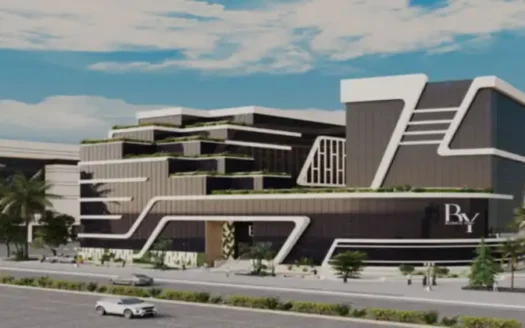
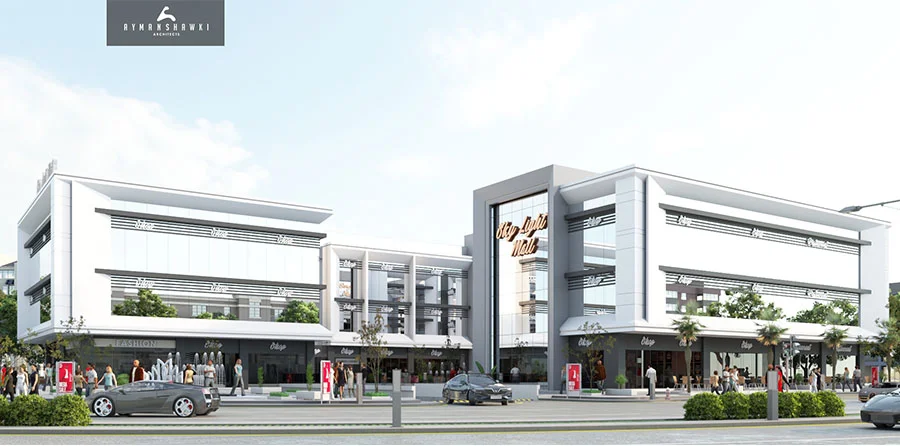
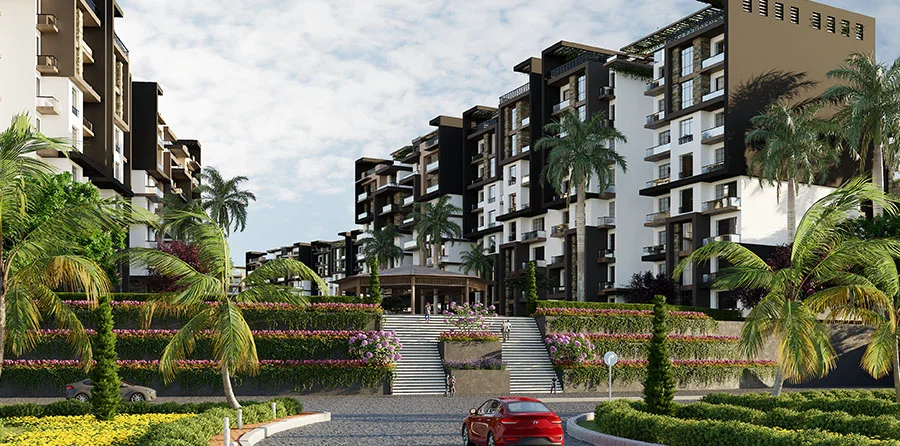
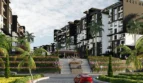
When you’re looking at commercial property in the New Administrative Capital, the fundamentals matter more than the pitch. Mardev Plaza sits in the R8 district, which is shaping up as the central business zone where government offices and private companies are setting up operations. The project, developed by Mardev Developments, focuses on commercial and administrative spaces—retail shops, medical clinics, banks, food outlets, and service businesses.
The New Capital represents Egypt’s attempt to decentralize Cairo’s administrative functions and build infrastructure from scratch. Mardev Plaza operates within this framework, targeting businesses that need proximity to government entities and the growing population moving eastward. What actually matters here is whether the location delivers foot traffic, whether the pricing makes sense against realistic rental returns, and how this compares to other commercial options in the area.
I’ve spent considerable time evaluating commercial developments in the New Capital, and the pattern is consistent: success depends less on the project itself and more on the pace of surrounding development. Government ministry relocations drive demand. Residential occupancy in nearby compounds creates customer bases. Infrastructure completion determines accessibility.
Mardev Plaza New Capital Overview
Mardev Developments entered Egypt’s real estate market in 2007 and has delivered projects including Nile City Towers in central Cairo and City View Residences in New Cairo. Their track record spans mixed-use and residential developments, though Mardev Plaza represents a purely commercial focus.
The complex comprises multiple buildings designed for different business applications. Units are delivered core and shell, meaning you get the structure and basic systems, but interior fit-out falls on the buyer. This affects your total investment calculation significantly.
The stated completion date is fourth quarter 2025. Given construction realities in the New Capital, I’d suggest verifying current progress directly and building buffer time into your plans. Off-plan commercial purchases carry timing risk, particularly when your returns depend on getting tenants in place quickly.
Mardev Developments has received industry recognition, including a 2018 award for Best Residential Developer in Egypt at the Africa Property Investment Awards. Their commitment to sustainable building practices and technology integration appears genuine based on completed projects, though commercial developments test different capabilities than residential ones.
Mardev Plaza New Capital Location
The R8 district places Mardev Plaza in the New Capital’s designated commercial hub, surrounded by government administrative buildings and planned corporate headquarters. This creates both opportunity and competition—you’re in the right zone, but so are multiple other commercial projects launching simultaneously.
Current accessibility relies almost entirely on private vehicles. Public transportation infrastructure remains under development, which affects how employees, customers, and clients reach businesses in the area. This matters more for retail and food establishments than for professional services where clients arrive by car anyway.
Distance measurements show approximately 50 kilometers from Cairo International Airport, 46 kilometers from the Giza Pyramids, 8 kilometers to the designated city center, 5 kilometers to major planned malls, and 10 kilometers to large park developments. These numbers mean less than the practical question: how many people are actually living, working, and spending money in the immediate vicinity?
The R8 district’s commercial viability depends heavily on occupancy rates in surrounding residential compounds and the pace of private sector businesses relocating from Cairo. Government employees provide baseline demand, but sustained success requires broader economic activity.
Mardev Plaza New Capital Unit Types and Size Options
Mardev Plaza offers retail shop units ranging from 21 square meters to 94 square meters based on available inventory. Specific sizes include 21, 23, 24.5, 25, 26, 33, 34, 36, 39, 41, 44, 64, 68, 70, 73, 77, 79, 86, and 94 square meters.
Smaller units (21-26 sqm) suit specialized retail, service counters, or kiosk-style operations. Mid-range sizes (33-44 sqm) accommodate standard retail shops with display areas and back-office space. Larger units (64-94 sqm) work for showrooms, specialized retail requiring inventory space, or businesses needing customer seating areas.
Fit-out costs vary significantly based on business type and quality standards. A basic retail shop might require 1,500-2,500 EGP per square meter for fit-out. Food establishments need substantially more due to kitchen equipment, ventilation systems, and health code compliance. Medical facilities require specialized plumbing, electrical systems, and sterile environments.
Ground-floor units command premium pricing but offer visibility and accessibility advantages for retail operations. Upper-floor locations reduce costs but require strong building identity and directional signage to drive customer traffic.
Pricing Structure and Payment Terms
Mardev Plaza lists pricing as “Ask for price” across unit types, which indicates negotiated pricing based on unit location, size, and buyer circumstances. This approach is standard in commercial developments where valuation depends on factors like floor level, corner positioning, and proximity to main entrances.
The payment structure offers 15% down payment with the balance spread across 8 years in 32 installments. This creates quarterly payment obligations that continue while you’re trying to establish rental income or operate your business.
Your actual investment calculation needs to include:
- Negotiated purchase price per square meter
- Fit-out and customization expenses (often 30-50% of purchase price)
- Registration fees and legal costs (typically 2.5% of property value)
- Service charges and maintenance fees (annual, calculated per sqm)
- Operational setup costs specific to your business type
Price per square meter comparisons with similar R8 district commercial projects provide useful benchmarks. I’d recommend examining actual transaction prices rather than listing prices, and speaking with buyers in comparable projects about negotiation outcomes.
Investment Considerations for Shop Units
Commercial real estate in a developing area requires different analysis than residential property or commercial space in established districts. Several factors influence whether this makes sense for your capital:
- Demand Timeline: Commercial viability depends on the New Capital’s population growth and business migration pace. Government employee relocation creates baseline demand, but retail and food establishments need broader residential community development. This takes time—potentially longer than optimistic projections suggest.
- Competition Density: Multiple commercial projects in the R8 district are launching simultaneously. Market absorption capacity—how quickly the area can fill available commercial space—directly affects your occupancy rates and rental pricing power. Early-stage oversupply pressures returns.
- Tenant Stability: Retail shops face higher turnover than professional services or medical clinics. Food and beverage outlets show elevated failure rates, particularly in developing areas where customer traffic is building. Understanding your target tenant’s business model and failure risk matters.
- Rental Yield Reality: Commercial properties in developing areas often show 8-12% gross yields on paper. Achieving these requires finding tenants at projected rates, which may take 12-18 months or longer. Factor in vacancy periods, fit-out costs, service charges, and tenant improvement allowances when calculating net yields.
Mardev Plaza New Capital Facilities
Mardev Plaza provides infrastructure designed to support commercial operations, though specific service levels should be verified directly with the developer:
- Security and Access Control: 24/7 security personnel and surveillance systems covering common areas, parking, and building entrances. Commercial properties require robust security for both tenant operations and customer confidence.
- Parking Allocation: On-site parking with capacity proportional to commercial space, though specific allocation per unit should be confirmed. Adequate parking significantly affects retail and service business viability, particularly in an area without developed public transportation.
- Building Systems: Central air conditioning systems, backup power generators, and high-speed internet connectivity form basic operational requirements. Reliability matters—frequent outages or system failures directly impact tenant businesses.
- Common Area Maintenance: Reception lobbies, corridors, elevators, and shared facilities maintained by the project’s management company. Costs are distributed through service charges, which should be clearly defined in your purchase contract.
- Utilities Infrastructure: Water, electricity, sewage, and telecommunications infrastructure connected to the New Capital’s main systems. Verify backup systems and service reliability, as disruptions affect business operations.
Practical Buyer Guide for Shop Investment
Approaching commercial property investment in Mardev Plaza requires systematic evaluation rather than speculative enthusiasm:
- Financial Preparation: Calculate total investment including purchase price, fit-out costs, carrying costs during lease-up periods, and reserve funds for unexpected expenses. Ensure financing arrangements account for the full investment cycle, not just the down payment.
- Market Research: Visit the New Capital multiple times at different hours and days. Observe actual activity levels, traffic patterns, and which businesses are operating successfully in nearby developments. Talk to existing business owners about their experience—occupancy rates, customer traffic, and operational challenges.
- Unit Selection: Ground-floor units with street visibility command premiums but offer advantages for retail operations requiring walk-in traffic. Corner units provide better visibility but cost more. Upper-floor units reduce costs but require strong building identity and signage to drive customers.
- Legal Review: Engage a real estate attorney familiar with commercial property transactions in the New Capital. Review all contracts, payment terms, delivery specifications, service charge structures, and penalty clauses for construction delays before committing.
- Tenant Planning: If you’re an end-user, ensure the unit size and configuration suit your business model and allow for efficient operations. If you’re an investor, research tenant demand for your unit type and realistic rental rates in the area based on comparable leases.
- Developer Track Record: Examine Mardev Developments’ previous projects, delivery timelines, and quality standards. Visit completed projects if possible to assess construction quality, management practices, and how properties age over time.
Area Development Context
The success of any commercial project ties directly to its surrounding environment. The New Administrative Capital is progressing through phases, with some areas more developed than others. The R8 district’s current maturity level affects Mardev Plaza’s near-term prospects.
Key development indicators include the pace of government ministry relocations, residential occupancy rates in nearby compounds, infrastructure completion for roads and utilities, and private sector business migration from Cairo. Commercial properties thrive when surrounded by active residential communities and functioning office buildings—not construction sites and vacant plots.
The New Capital’s long-term vision spans decades, but individual investment horizons are shorter. Align your timeline expectations with realistic development milestones rather than promotional projections. Early-stage commercial investment might require three to five years before reaching stable occupancy and returns.
Comparing Mardev Plaza to established commercial areas in New Cairo or Sheikh Zayed provides perspective on pricing, yields, and risk-return profiles. The New Capital offers potential for appreciation as the area develops, but this comes with uncertainty that established locations don’t carry.
I’ve observed that investors who succeed in developing areas are those with sufficient capital reserves to weather longer-than-expected lease-up periods, flexibility on initial rental rates, and patience for the surrounding area to reach critical mass.
Frequently Asked Questions
What exactly is included in core and shell delivery?
Core and shell means you receive the basic building structure, external walls, windows, main building systems (HVAC, electrical, plumbing mains), and fire safety systems. You must complete all interior fit-out including flooring, interior partitions, lighting fixtures, bathroom fixtures, finished ceilings, and business-specific installations. Budget 30-50% of the purchase price for fit-out, depending on your business requirements. Retail shops need less than food establishments, which require kitchen equipment, ventilation systems, and health code compliance installations.
How realistic is the 2025 completion date?
Construction delays are common in large-scale developments, particularly in the New Capital where infrastructure and coordination challenges exist. Review your purchase contract for delay penalty clauses and your rights if delivery extends beyond the stated date. The eight-year payment plan means you continue making installments during delay periods without generating income. I’d recommend building 6-12 months of buffer time into your investment planning and asking about the developer’s track record for on-time delivery in previous projects.
What are typical service charges for commercial units?
Service charges are calculated per square meter annually and cover common area maintenance, security, utilities for shared spaces, and building management. Rates vary but typically range from 50-100 EGP per square meter annually for commercial properties in the New Capital. Ask for detailed breakdowns of what’s included versus what tenants must arrange independently. These charges significantly impact investment returns and should be factored into rental rate calculations.
Can I negotiate the purchase price?
“Ask for price” listings indicate negotiated pricing based on unit specifics and buyer circumstances. Factors affecting price include floor level, corner positioning, proximity to main entrances, and payment terms. Research comparable transactions in similar R8 district projects to establish baseline pricing. Larger purchases or cash payments may provide negotiating leverage. Work with a broker familiar with the developer’s pricing patterns and negotiation flexibility.
What rental rates can I expect for shop units?
Rental rates depend heavily on unit size, location within the project, and area development pace. Early-stage commercial properties in developing areas might achieve 200-400 EGP per square meter monthly for retail shops, but this varies significantly. Ground-floor units with visibility command higher rates than upper floors. Factor in 12-18 months for initial lease-up and potentially lower rents than optimistic projections suggest. Research actual lease rates in comparable R8 district projects rather than relying on developer projections.
Who should consider investing in Mardev Plaza shops?
This investment suits buyers with sufficient capital reserves to cover fit-out costs and carrying periods during lease-up, patience for 3-5 year timelines before stable returns, understanding of commercial property management requirements, and risk tolerance for developing area investments. End-users planning to operate businesses in the New Capital should evaluate whether the location suits their customer base and operational needs. Pure investors should have experience with commercial real estate or access to professional property management services.
Conclusion
Mardev Plaza offers commercial shop units in the New Capital’s R8 district, targeting the business zone developing around government administrative functions. The project provides various unit sizes from 21 to 94 square meters, delivered core and shell with an eight-year payment plan requiring 15% down payment.
The investment case depends largely on factors outside the project itself—the pace of government relocation, residential community development, and infrastructure completion that drives commercial demand. The R8 district is positioned correctly within the New Capital’s commercial zone, but multiple similar projects are launching simultaneously, affecting absorption rates and rental pricing power.
The extended payment plan reduces initial capital requirements but requires careful financial planning for fit-out costs and carrying periods before rental income materializes. Commercial property investment differs fundamentally from residential real estate, demanding more active management and longer timelines to achieve stable returns.
If you’re evaluating Mardev Plaza shop units, focus on the fundamentals: actual area development progress, realistic tenant demand for your unit type, total investment costs including fit-out, and whether projected returns justify the risk compared to alternative investments. The New Capital represents a long-term bet on Egypt’s administrative decentralization—make sure your investment timeline and financial capacity align with that reality.
Similar Listings
Oblisco Capitale Tower New Capital | A P...
Milano Tower New Capital | Commercial Sp...
Evira Mall New Capital | What You Should...