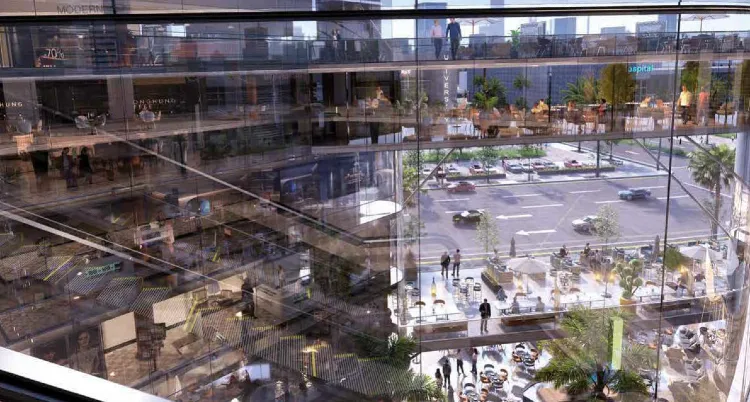



Description
The New Administrative Capital’s Downtown district concentrates most of the city’s commercial activity. Marota Mall sits within this zone, two minutes from Al Masa Hotel, on 5,300 square meters dedicated entirely to retail.
This isn’t a mixed-use tower. No offices, no medical clinics—just commercial shops across a ground floor and five upper levels. Units start from 29 square meters, with prices beginning around 4.4 million EGP and payment plans stretching to 10 years.
Marota Developments, the company behind this project, formed through an Egyptian-Syrian partnership. Their approach focuses on retail specialization rather than trying to serve multiple property types within one building.
What matters here is whether the location justifies the investment, how the payment structures actually work, and what you’re getting for the price. This guide covers the practical details—location access, unit specifications, pricing breakdowns, and the considerations that affect whether this project makes sense for your situation.
Where Marota Mall Sits and What’s Around It?
Marota Mall New Capital occupies a plot in Downtown’s commercial and entertainment zone. The building faces Al Masa Hotel directly, roughly a two-minute drive between them.
Downtown was planned as the New Capital’s commercial center, which means government employees, compound residents, and entertainment venue visitors all pass through this area. Whether that translates to foot traffic for your specific unit depends on several factors, but the infrastructure planning favors commercial activity here.
Distance to key locations:
- Government District: 10 minutes by car
- Monorail station: 10 minutes
- Exhibition Ground and Opera House: about 10 minutes
- Gold Market: 5 minutes
- Green River: 15 minutes
Other commercial projects operate nearby—Zia Business Complex, Regency Business Tower, Eleven Mall, Aurora Mall. This clustering can help or hurt depending on how each project positions itself. More options might split customer traffic, or the concentration might establish Downtown as the go-to commercial zone that attracts more visitors overall.
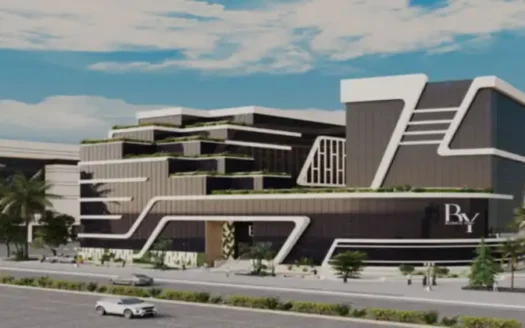
Marota Mall New Capital Specifications and Design
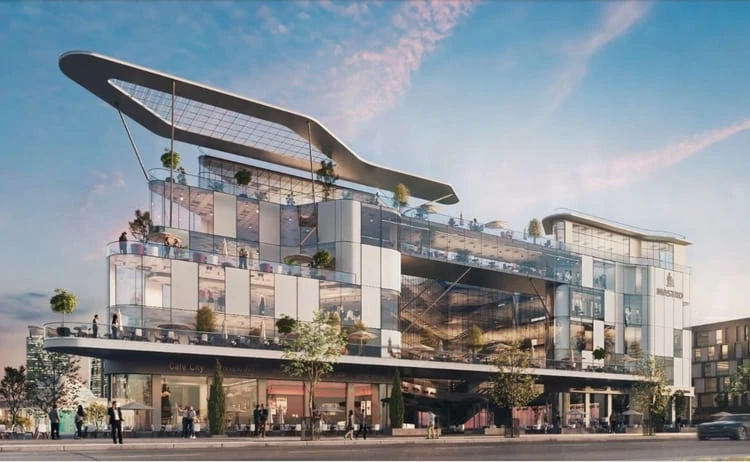
Marota Mall New Capital covers 5,300 square meters across six levels. Each floor spans approximately 1,600 square meters, though the actual built area varies—30% build ratio on the first floor, 35% on the second, with the rest allocated to circulation, common areas, and facilities.
The developer assigned engineering work to Engineer Raef Fahmy and structural consultancy to Sabour Group. Management consultancy involves CAD, an international firm. The exterior uses glass facades with what the developer describes as Mediterranean influences, though the functional goal is creating workable retail spaces.
Units are delivered Core & Shell. You get the basic structure—walls, floors, ceilings, plumbing, electrical rough-ins—but no interior finishing. Flooring, lighting, HVAC, storefronts, fixtures, all of that falls on you.
This approach lets you customize the space for your specific retail concept. A cafe needs different infrastructure than a clothing boutique or a phone accessories shop. But it also means additional investment beyond the purchase price and managing contractors to complete the fit-out.
Delivery is scheduled for 2026, which gives buyers time to plan their interior work but also means revenue generation doesn’t start immediately.
Unit Sizes and What’s Available
Marota Mall New Capital offers only commercial retail units. No administrative spaces, no medical clinics. This narrows the tenant and buyer profile but clarifies what the building is trying to be.
Ground floor units start from 29 square meters. Upper floors start from 27 square meters, though some listings show 33 or 35 square meters depending on the specific unit or how measurements are calculated. Larger units extend up to 100 square meters.
Smaller spaces in Marota Mall work for boutiques, specialty food shops, accessory stores, small cafes—businesses that don’t need extensive floor area. Larger units suit sit-down restaurants, anchor retail stores, or operations requiring significant inventory display and storage.
Ground floor commands higher prices per square meter. Visibility and walk-in traffic justify the premium. Upper floors attract businesses with established customer bases who come specifically for that shop, or investors looking for lower entry costs willing to accept potentially slower leasing.
The mix of unit sizes in Marota Mall New Capital means different investment levels can find something, but it also means your neighbors could range from small startups to established chains, which affects the overall tenant quality and mall reputation.
Pricing Structure and What Units Actually Cost
Starting prices sit around 4.4 million EGP in Marota Mall, though some listings show figures closer to 9.3 million EGP. This range reflects different unit sizes, floor levels, and possibly market adjustments over time.
Ground floor units cost more per square meter than upper floors. Corner units or those near elevators and escalators typically command premiums. Exact pricing depends on the specific unit’s characteristics.
Comparing Marota Mall to other Downtown commercial projects, the pricing falls in the mid-range. Premium developments charge more, while some newer or less established projects come in lower.
What matters more than the total price is the price per square meter. Calculate that for any unit you’re considering, then compare it against similar-sized units in nearby malls. This tells you whether you’re paying a premium for location or getting a relative deal.
Also factor in fit-out costs. Depending on your retail concept, interior finishing can add 20-40% to your base investment. A simple retail shop with basic fixtures costs less than a restaurant requiring full kitchen infrastructure, ventilation, and dining area fit-out.
Payment Plans and How They Actually Work
Marota Developments offers four payment structures:
- Plan 1: 10% down, remainder over 7 years
- Plan 2: 10% down, 5% after one year, remainder over 8 years
- Plan 3: 10% after first year, 5% after second year, remainder over 9 years
- Plan 4: 10% after first year, 5% after second year, 5% after third year, remainder over 10 years
The 10% down payment is standard for New Capital commercial projects. Extended payment periods reduce annual financial pressure compared to shorter terms.
Plans 3 and 4 delay even the down payment, which provides breathing room if you need time to arrange financing or liquidate other assets. This structure benefits investors who want to secure the unit now but need flexibility on payment timing.
What’s not clear from available materials: interest rates, administrative fees, service charges during the payment period. These details significantly affect your total cost of ownership. Get these numbers directly from the developer before committing.
Marota Mall New Capital Facilities and Features
Marota Mall New Capital includes:
- Three panoramic elevators and two service elevators
- Mechanical parking garage with double-stacking capability
- 24-hour security personnel and surveillance cameras
- Backup power generators
- Solar energy system for common areas
- Fire alarm and safety systems
- Regular maintenance services
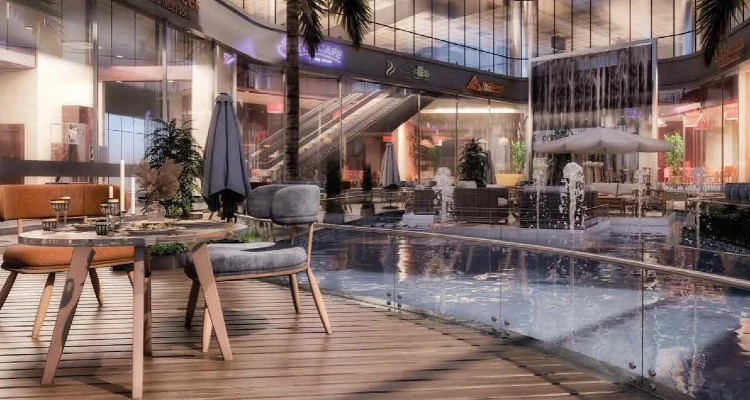
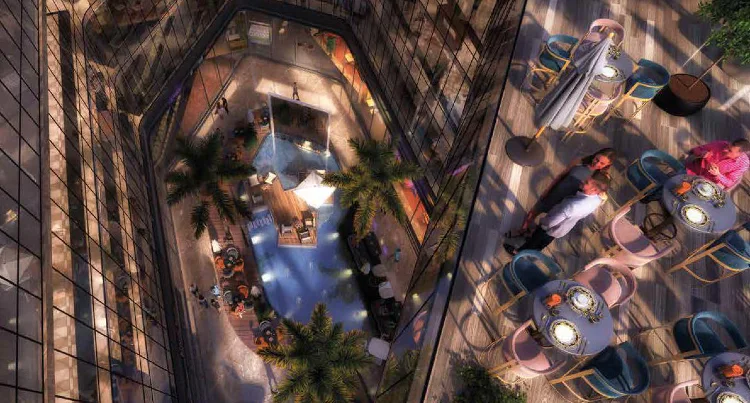
A food court occupies part of the ground floor with space for restaurant chains. A children’s play area provides entertainment for families, potentially increasing visit duration.
A prayer area in Marota Mall lets visitors and workers perform prayers without leaving the premises—a practical consideration that matters in Egypt’s market.
Green spaces and landscaping surround the building, though the actual extent and maintenance quality will become clear once the mall operates at full capacity.
The mechanical parking system maximizes vehicle capacity in limited space. These systems work well when properly maintained but can create access delays during peak hours if maintenance lags or if the system experiences technical issues.
Investment Considerations That Actually Matter
Buying commercial retail in the New Capital carries specific factors you need to weigh:
- Demand depends on population growth. Government employees relocating to the area and residents of nearby compounds create potential customers. But the New Capital’s population growth continues gradually. Immediate high traffic isn’t guaranteed—this is a medium to long-term play.
- Competition is real. Downtown hosts multiple commercial projects. Your success depends on attracting the right tenants and differentiating from nearby malls through tenant mix, management quality, or pricing.
- Rental yields take time to materialize. Mature commercial markets in Cairo typically yield 6-10% annually. New developments often start lower—around 4-6%—until the area matures and occupancy stabilizes. Your actual yield depends on location within the mall, tenant quality, lease terms, and how quickly Downtown develops.
- Exit strategy requires planning. The New Capital’s commercial real estate resale market is still developing. Liquidity is lower than established Cairo areas. If you might need to sell within a few years, understand that finding buyers could take longer and you may need to price competitively.
- Fit-out costs are additional. Core & Shell delivery means budgeting beyond the purchase price. Depending on your retail concept, this adds 20-40% to your initial investment. Factor this into your total capital requirement.
The mall’s exclusive retail focus creates a clear identity but also concentrates risk. If retail struggles, there’s no administrative rental income to balance it. Mixed-use developments offer more diversification.
Who This Project Actually Suits?
Marota Mall New Capital fits certain investor profiles better than others:
- Retail business owners planning to establish a presence in the New Capital can purchase their own space instead of renting. This eliminates lease uncertainty and builds equity over time.
- Investors seeking commercial rental income might find the payment plans attractive, especially if they can secure established retail brands as tenants willing to sign multi-year leases.
- Portfolio diversifiers already invested in residential real estate may want commercial exposure in a growing city to balance their holdings.
Marota Mall is less suitable for those seeking immediate returns or quick flips. The New Capital requires patience as infrastructure completes and population grows. Revenue generation takes time.
You should have enough capital to cover both the unit purchase and fit-out costs, plus a reserve for slower-than-expected leasing if you’re buying for rental income. First-time commercial investors need to understand they’re taking on more complexity than residential property.
How Marota Compares to Nearby Projects?
Several commercial developments operate near Marota Mall in Downtown:
- Eleven Mall offers similar commercial units with comparable payment plans. The retail mix and specific location determine whether it competes directly or serves a different customer segment.
- Aurora Mall includes both retail and office spaces, attracting a mixed tenant and visitor profile. This diversification can provide income stability but may dilute the retail focus.
- Track 20 Tower emphasizes entertainment and family-oriented retail with dedicated children’s areas and cinema halls. This positions it as a destination mall rather than convenience retail.
- Darvell Mall focuses on international brands and upscale retail, targeting higher-income customers. The tenant mix skews toward premium.
- Code Mall combines shopping with entertainment through cinema halls and activity spaces, creating a leisure destination.
Marota Mall appears positioned as practical retail without premium branding or entertainment anchors. This could work for everyday shopping needs and food services but may not attract destination visits the way entertainment-focused malls do.
Understanding where Marota fits among these options helps assess its competitive position and whether the customer bases overlap or complement each other.
Limitations and Drawbacks to Consider
No project is perfect. For Marota Mall:
- Exclusive retail focus means no administrative or medical tenants to diversify income streams. If retail struggles, there’s no backup revenue from office leases or medical practices.
- Core & Shell delivery requires buyers to manage fit-out, adding complexity and cost. First-time commercial investors may find this challenging without experience managing contractors and construction timelines.
- Market maturity in the New Capital remains incomplete. Government operations have begun and some residential compounds are occupied, but population growth continues gradually. This affects retail demand in the near term.
- Developer track record is limited. Marota Developments is relatively new, with this mall as their flagship New Capital project. Established developers offer more performance history and proven execution capability.
- Mechanical parking uses stacking systems, which maximize capacity but can create delays during peak hours if not properly maintained or if technical issues arise.
About the Developer Behind Marota Mall
Marota Developments formed through a partnership between two businessmen:
Tarek Khalil, an Egyptian with over 15 years of experience in real estate development across Egypt and Saudi Arabia. His background includes commercial centers, property management, and car imports.
Ayman Al-Ghafir, a Syrian businessman who contributed to the real estate market in Syria, notably the Marota City project in Damascus developed in partnership with the Syrian government. He also operates restaurant management and food distribution companies in Egypt.
This is the company’s first major project in Egypt’s New Capital. Previous experience exists, but the track record in this specific market is still being established. Established developers offer more performance history, which reduces execution risk.
The company states it emphasizes international quality standards and aims to balance quality with accessible pricing through flexible payment plans. How well they execute on these goals will become clear as the project completes and operates.
Frequently Asked Question
What’s the minimum investment to get started?
With units starting around 4.4 million EGP and a 10% down payment option, you need approximately 440,000 EGP initially. But that’s not your total capital requirement. Fit-out costs add 20-40% depending on your retail concept. You also need a reserve for slower-than-expected leasing periods if you’re buying for rental income. Total capital requirement typically ranges from 5.5 to 6.5 million EGP for a basic unit with moderate fit-out.
How does Core & Shell delivery affect my timeline?
Core & Shell means you receive a basic structure but no interior finishing. You’re responsible for flooring, lighting, HVAC, interior walls, storefronts, and all fixtures. This adds 3-6 months to your timeline after delivery and requires hiring contractors and designers. The advantage is complete customization. The disadvantage is additional project management and capital beyond the purchase price.
What rental yields are realistic?
Mature commercial markets in Cairo typically yield 6-10% annually. New developments in the New Capital often start lower—around 4-6%—until the area matures and occupancy stabilizes. Your actual yield depends on location within the mall, tenant quality, lease terms, and how quickly Downtown develops. Conservative projections help avoid disappointment. Don’t underwrite to optimistic yields.
Is this suitable for first-time commercial investors?
First-time investors face a learning curve with commercial property, especially with Core & Shell requiring fit-out management. You need sufficient capital for both purchase and fit-out, time to manage construction, understanding of commercial lease structures, patience for the New Capital’s gradual maturation, and professional advisors. Consider partnering with experienced commercial investors for your first project if you lack this background.
How does the Downtown location affect long-term value?
Downtown is designated as the New Capital’s commercial center, which provides structural advantages. Proximity to government facilities creates a built-in customer base. But long-term value depends on successful population migration to the New Capital and infrastructure completion like the monorail. The concentration of competing malls means success isn’t automatic—retail mix and management quality matter significantly.
What if I need to sell before completing payments?
Selling during the payment period is possible but comes with constraints. The buyer needs to assume your payment plan or refinance through the developer, which limits your buyer pool. Your equity position affects negotiating power. The New Capital’s commercial resale market is still developing, so liquidity is lower than established areas. Transaction costs also affect net proceeds. If you might need to exit early, shorter payment plans provide more flexibility.
Conclusion
Marota Mall New Capital presents a straightforward commercial investment in the Downtown district. The location near government facilities and hotels provides structural advantages. Payment plans extending to 10 years make entry more accessible than projects requiring larger upfront capital.
The exclusive retail focus creates a clear identity but also concentrates risk. Core & Shell delivery requires additional planning and capital but allows customization for specific retail concepts.
What you need to consider: the New Capital’s gradual population growth, competition from nearby malls, fit-out responsibilities, and the developer’s relatively new presence in this market. These factors don’t disqualify the project, but they require realistic expectations about timelines and returns.
If you’re looking for commercial exposure in Egypt’s new administrative hub and have the capital to manage both purchase and fit-out, Marota Mall warrants closer examination. Request updated pricing, clarify payment terms including any service charges, and visit the site to assess construction progress and surrounding development.
Commercial real estate rewards thorough due diligence more than residential investments do. Take the time to understand what you’re buying and what it will take to generate returns.
Similar Listings
Oblisco Capitale Tower New Capital | A P...
Milano Tower New Capital | Commercial Sp...
Evira Mall New Capital | What You Should...