



Description
Oblisco Capitale Tower New Capital comes up a lot in conversations about the New Administrative Capital—usually because it’s positioned as a major mixed-use project in the Central Business District (CBD). Most buyers aren’t looking for a headline. They’re trying to decide whether a unit here works for a specific purpose: a business address, a clinic, a retail operation, or a longer-hold investment.
Below is a practical review based on what’s publicly available in listings and project descriptions. I’ll cover the location logic, what unit types are being marketed, the service mix typically associated with a tower of this scale, and the pricing/payment indicators that keep showing up. Where key details aren’t confirmed in the available sources—handover timing, final specs, approvals—I’ll flag them so you know what to verify before signing anything.
What the oblisco capitale tower is?
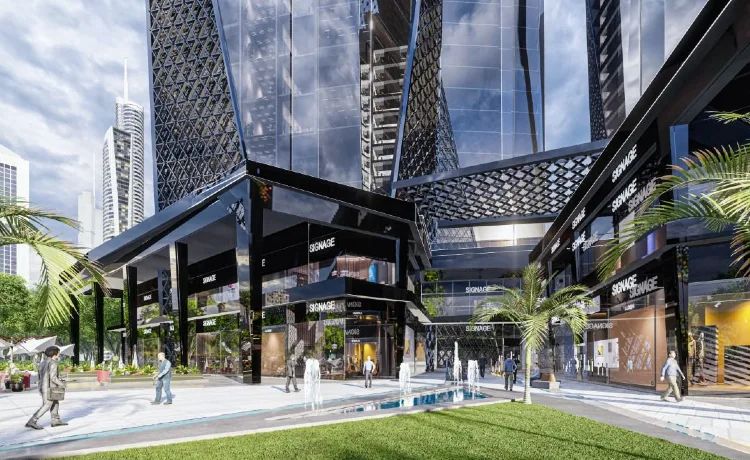
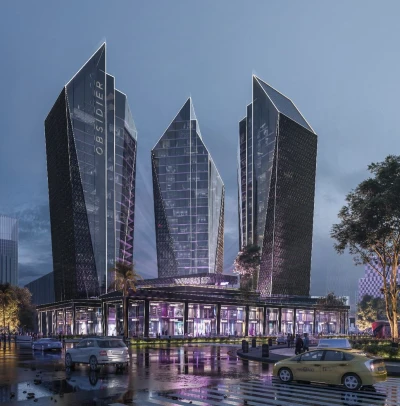
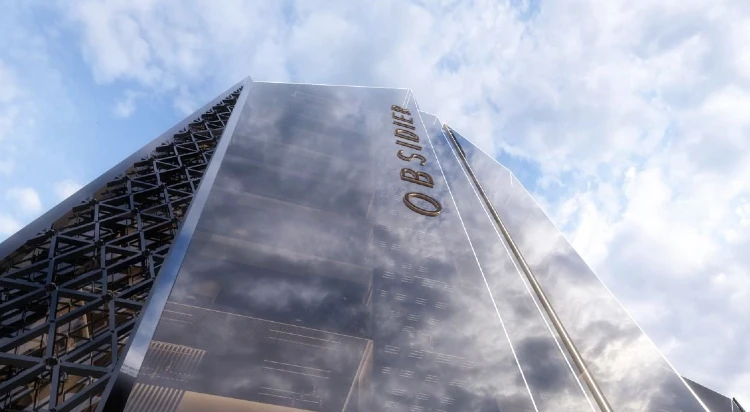
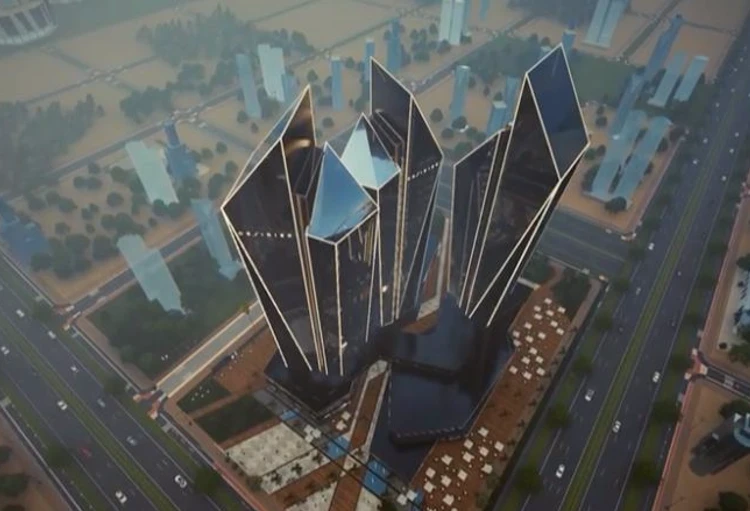
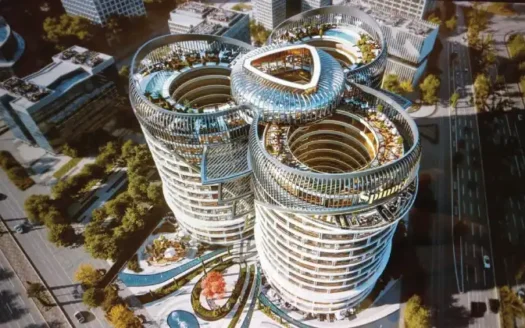
From the published material, Oblisco Capitale Tower New Capital is presented as a large mixed-use tower concept by El Nasr Housing & Development, with design attribution referenced to Idia Design. The architectural theme leans into an Egyptian identity: an obelisk-inspired form and a surrounding water element described as echoing the Nile.
Several figures are repeated across sources, and they’re worth treating as marketing-level information until you see official documentation:
- Location: Central Business District (CBD), New Administrative Capital
- Total area mentioned: around 1,250,000 m² (with an additional underground/complementary built area cited around 465,000 m²)
- Vertical program references: around 250 floors, with roughly 50 floors mentioned for hotel use
- Height claim: a ~1,000-meter concept appears frequently in promotional descriptions
A quick consultant’s note on the “world record” angle: height claims don’t change day-to-day usability. They do affect perception and, sometimes, pricing. If that point is part of why you’re buying, don’t rely on brochure language—ask for permit status, engineering partners, and construction progress that supports the final specification.
oblisco capitale tower new capital location
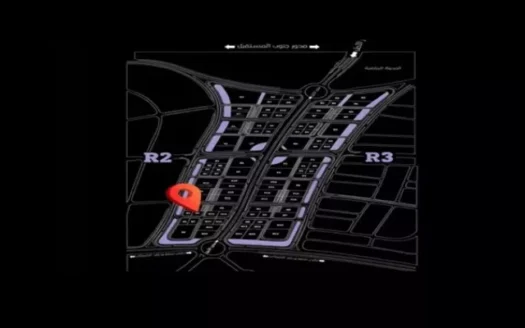
If there’s one clear practical driver here, it’s the address: CBD in the New Administrative Capital. CBD projects are typically planned around business density—ministries, corporate offices, banks, and the support services that follow them. That’s the ecosystem the project is trying to plug into.
Public descriptions commonly reference connectivity and nearby points such as:
- Mohamed bin Zayed Axis
- Regional Ring Road / ring-road connectivity
- Proximity mentions for the Diplomatic Quarter and Al Masa Hotel
- References to views/adjacency to the Green River area
What this means in practical terms depends on what you’re buying:
- Retail buyers are effectively betting on footfall. In CBD, the base demand can come from office users and visitors, but retail performance still depends heavily on where the unit sits in the building and how retail levels are designed.
- Office buyers usually benefit from the CBD label if the building is managed properly. Tenants care about access, parking, and whether the building “works” operationally more than they care about the tower’s story.
- Clinic buyers need more than a central address. You’ll want confirmation of medical zoning, how patient circulation is handled, and whether parking and lift allocation support real clinic operations.
Unit types and use cases: retail, offices, medical, and hotel apartments
Oblisco Capitale Tower New Capital is promoted as a multi-activity project with several components under one roof. Across listings and descriptions, the commonly marketed types include:
- Commercial units (shops/retail)
- Administrative offices
- Medical clinics
- Hotel apartments / hotel component
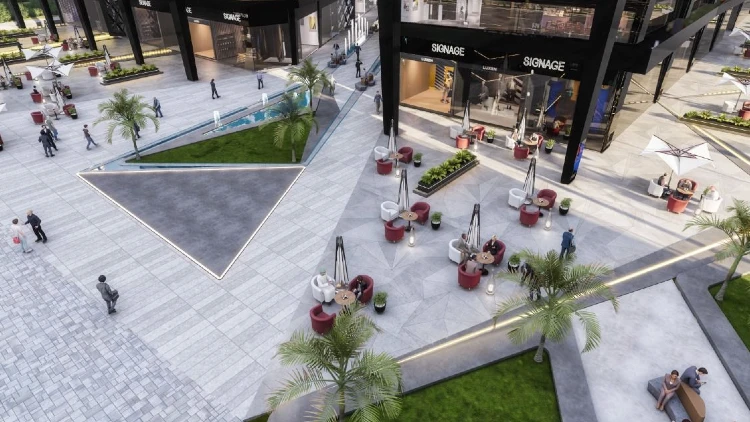
- Supporting uses like F&B and entertainment (restaurants, cafés, cinema)
Marketplaces also show sample listings for stores, offices, and apartments in Oblisco Capitale Tower, with sizes in the displayed examples often around 90–130 m². That’s helpful as a signal of what’s being pushed, but it’s not the same as a full availability schedule with floor-by-floor detail.
Here’s how I generally align each unit type with buyer intent:
- Retail: Best suited to owners/operators who understand “tower retail.” Visibility, anchor adjacency, and level placement matter more than raw area. Ask whether retail is concentrated on dedicated floors and whether it has independent entrances.
- Offices: Typically fits SMEs, branch offices, and service companies that want a CBD address. The questions to resolve early are maintenance fees, parking allocation, and how tenants will access the building at peak times.
- Clinics: Can work well if medical floors are clearly segmented, with controlled circulation and practical waiting-area layouts. Privacy, compliance, and lift planning are not optional in Oblisco Capitale Tower.
- Hotel apartments: This is the most operator-dependent category. The value isn’t only the unit—it’s who manages the hotel side, what the revenue model looks like, and what restrictions apply to owner usage.
Oblisco Capitale Tower New Capital Amenities and services
The published descriptions list a wide set of amenities in Oblisco Capitale Tower. Some items are standard for large mixed-use towers; others need more careful confirmation.
Frequently mentioned amenities and services include:
- Maintenance and cleaning teams
- Security, CCTV, and controlled entrances
- Parking/garages
- Banks and ATMs
- Restaurants and cafés
- Cinema halls
- Gym, spa, and health club facilities
- Hypermarket and shopping areas (often framed as a “mall”)
- Kids’ play / amusement areas
- Meeting rooms and conference halls
- EV charging stations
Technical and operational features referenced in Oblisco Capitale Tower New Capital include:
- Panoramic elevators and multiple elevator cores (positioned as a way to reduce congestion)
- Firefighting and safety systems
- High-speed internet
- Power backup/generators (some descriptions suggest backup coverage down to the unit level)
- Solar energy usage is mentioned as part of sustainability positioning
- Waste collection/disposal areas
One source also mentions a private helipad in Oblisco Capitale Tower. That’s not impossible, but it’s not something to take on faith. Helipads require specific engineering, approvals, and operating constraints. If it matters to your decision (or pricing), confirm it in writing with clear documentation.
When you compare towers, the operational side is what tends to protect resale and rental value. I’d focus your questions on:
- Do retail, office, and medical uses have separate lobbies and lift banks, or is everything mixed?
- What are the service/maintenance fees, and what do they actually cover?
- Is there a named facility management operator, or is it still “to be appointed”?
- What is the parking ratio by unit type, and is parking included, allocated, or sold separately?
Design and technical notes in Oblisco Capitale Tower New Capital
The branding leans heavily on design language—an obelisk form and references to heritage-inspired environmental thinking. Descriptions also mention façade treatments such as impact-resistant glass and ventilation openings aligned with sun angles as a way to support temperature regulation.
Those ideas can be good design practice in Oblisco Capitale Tower. The issue is that you can’t properly evaluate them from a brochure paragraph. If you’re buying for end-use—especially an office or clinic—ask for technical clarity, not aesthetic language:
- Typical floorplate and core layout (how much usable area you actually get)
- HVAC approach (central vs split, and how consumption is metered)
- Acoustic expectations (important for clinics and meeting-heavy offices)
- Fire and egress strategy (number of stair cores, evacuation planning)
In mixed-use towers, the “behind the scenes” planning is what you live with: lift wait times, corridor widths, loading access, and whether service circulation interferes with customers and visitors.
Pricing signals and payment plans
Public pages show different pricing indicators of Oblisco Capitale Tower, which is normal in a mixed-use project where activity type and floor can change the number dramatically. The most consistent point across sources is the payment structure:
- 15% down payment
- Installments up to 10 years
On pricing, you may come across:
- “Starting from” figures in the multi-million EGP range (varying by unit type and listing date)
- A published price per m² range in one source (figures like 104,000 to 243,000 EGP/m²)
Two practical cautions before you anchor on any public figure:
- Mixed-use pricing moves by category. A clinic floor doesn’t price like retail frontage, and an office doesn’t price like a hotel unit. Even within the same category, lift proximity and floor placement can matter.
- Listings are not executed contracts. Especially in earlier stages, asking prices can reflect seller expectations more than actual market-clearing transactions.
If you’re serious about evaluating value, ask for a written breakdown that’s clean and comparable:
- Unit price and any maintenance deposit
- Parking allocation and whether it’s included or priced separately
- Installment schedule details and any escalation clauses
- Delivery condition (shell & core vs finished) and what “finished” includes
Developer and credibility
The published material presents El Nasr Housing & Development as the developer, with a long operating history and public-sector affiliation noted. From a buyer’s perspective, credibility usually comes down to a few practical points:
- Delivery and handover track record (not just launches)
- Contract clarity and after-sales responsiveness
- Ability to appoint and supervise strong facility management for a complex, multi-activity asset
Oblisco Capitale Tower New Capital Design attribution is mentioned to Idia Design, which provides some context. Still, given the scale implied in the public narrative, you should request the official consultant/contractor structure and any verifiable approvals available at the time of purchase.
Practical upside and the real risks to consider
A CBD-based tower in the New Administrative Capital can make sense when the unit type matches real demand. Offices tied to relocating entities, service businesses that need central access, and medical services that benefit from a well-connected district are all understandable use cases—if operations and access are handled properly.
That said, there are risks buyers should stay honest about:
- Timeline uncertainty: the public material here doesn’t provide a clearly verified handover date.
- Crowding and internal traffic: even the sources acknowledge congestion as a concern; the stated mitigation is more elevators and separated floors. That’s logical, but execution is what matters.
- Management complexity: mixed-use towers are operationally demanding. Weak facility management can quickly show up in tenant satisfaction, resale pricing, and vacancy.
Frequently Asked Questions About Oblisco Capitale Tower
Where is oblisco capitale tower located exactly?
Oblisco Capitale Tower is described as being in the Central Business District (CBD) of the New Administrative Capital. Connectivity references include Mohamed bin Zayed Axis and ring-road access, with nearby landmark mentions such as the Diplomatic Quarter and Al Masa Hotel.
Before you buy, ask for a map showing the plot boundary and the closest vehicle and pedestrian access points—not just a general CBD pin.
What unit types are available in oblisco capitale tower?
Oblisco Capitale Tower New Capital is marketed as mixed-use, including commercial, administrative, medical, and hotel/hotel apartment components. Listings also show examples of stores, offices, and apartments with varying sizes.
Availability changes, so request an updated unit schedule showing floor, area, and delivery condition. If you’re buying a clinic, confirm the medical zoning and whether there are dedicated medical lifts/lobbies.
What is the payment plan for oblisco capitale tower new capital?
The commonly published structure is 15% down payment with installments up to 10 years.
Don’t stop there. Review whether installments are monthly or quarterly, whether there are balloon payments, and what the contract says about delays. Also confirm whether any maintenance deposits or service charges are due on signing or on handover.
What are the starting prices and price-per-meter indicators?
Public material in Oblisco Capitale Tower New Capital includes “starting from” prices in the multi-million EGP range, and one source mentions a price-per-m² range such as 104,000–243,000 EGP/m². These vary by unit type, floor, view, and timing.
For a realistic comparison, line up like-for-like units (same activity, similar floor, same payment plan) rather than comparing a retail price to an office price.
Is the 1,000-meter height confirmed?
The ~1,000 m figure is widely repeated in promotional descriptions, sometimes with comparisons to the Burj Khalifa. In the sources provided here, there isn’t official engineering documentation, permitting detail, or progress evidence that confirms a final height.
If that claim is central to your decision, ask for developer-issued documentation or third-party verification. If it isn’t, focus on what impacts usability: location, unit layout, parking, and building operations.
What should I verify before reserving a unit?
Treat it like any mixed-use tower purchase and verify the basics in writing. At minimum:
- The unit’s floor, net area, and permitted use (office/clinic/retail)
- Delivery condition and what’s included (HVAC readiness, fire systems, finishes)
- Facility management plan and estimated service charges
- Handover timeline and contract clauses covering delays
These points tend to prevent most of the unpleasant surprises later.
Conclusion
Oblisco capitale tower is positioned as a large mixed-use development in the CBD of the New Administrative Capital, combining retail, offices, clinics, and hospitality elements, alongside on-site services like parking, F&B, and entertainment. On paper, that matches what you’d expect from a major CBD tower concept.
Whether it makes sense for you comes down to specifics: the unit’s placement, how uses are separated, the credibility of the operating plan, and how the payment terms compare to delivery clarity. If you’re considering a unit, a careful review of the contract, the technical package, and expected operating costs will tell you more than any headline ever will.
Similar Listings
EVOLVE Tower New Capital | Commercial In...
Spinner Mall New Capital | What You Shou...
Ellite Mall New Capital Prices 2026