


Description
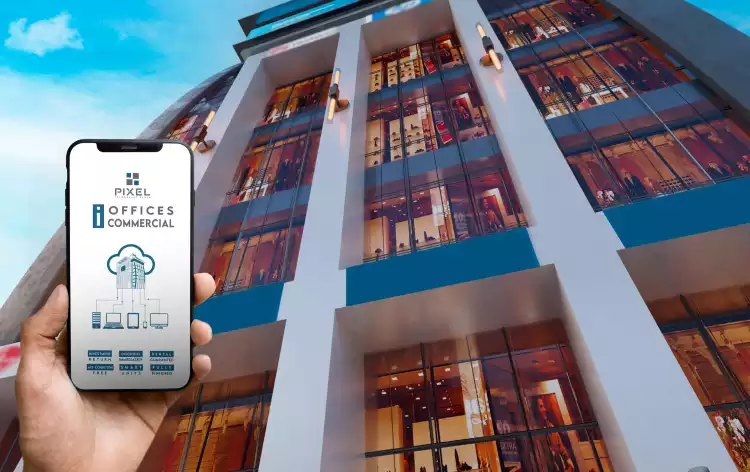
The New Administrative Capital keeps drawing attention from investors looking at commercial opportunities in Egypt’s newest city. Pixel Mall, developed by Enwan Developments, sits in the Downtown district and calls itself Egypt’s first technology-focused mall. It’s designed specifically for electronics retailers, tech companies, and digital service providers.
What makes this project worth examining is its location near government districts and transport links, plus the integration of smart building features. If you’re evaluating commercial real estate in the New Capital, understanding what Pixel Mall actually offers—beyond the marketing language—means looking at location realities, unit specifications, and what investing in a specialized development in a still-developing city actually involves.
This breakdown covers the project’s positioning, what you get for your money, pricing structure, and the practical considerations of putting capital into a commercial space in a city that’s still taking shape.
Where Pixel Mall Sits and How You Get There؟
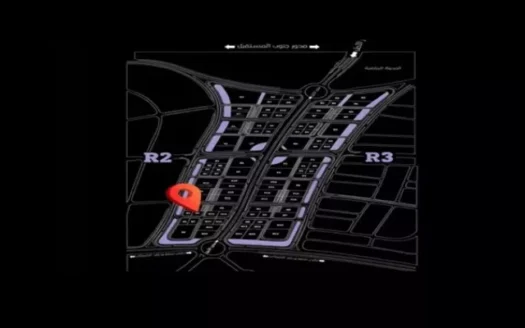
Pixel Mall is in Downtown New Capital, next to Al Massa Hotel and the central monorail station. That puts it close to the government quarter where ministries and administrative offices are clustering.
The immediate area includes the financial and business district to the north, and the R7 and R8 residential neighborhoods to the east. These are among the more established residential zones in the New Capital so far. The Green River—a planned linear park cutting through the city—passes nearby. You’ve also got the Cathedral of the Nativity and Al-Fattah Al-Aleem Mosque within reach.
Transport-wise, the location connects to Mohammed bin Zayed Axis and the Suez Road, both major routes linking the New Capital to Cairo and beyond. The monorail station next door should eventually connect to East Cairo and the existing metro network, though full service depends on broader infrastructure completion timelines.
For commercial property, foot traffic matters. The government offices around it, the planned embassy district, and residential towers create a built-in customer base of workers and residents. The technology market and data center nearby mean the project sits within an ecosystem of related businesses.
That said, the New Capital is still building out. Not all planned infrastructure is running yet, and visitor numbers will grow as more people and businesses actually relocate. Early investors are betting on future density rather than what’s there today.
What Pixel Mall Actually Is؟
Enwan Developments positioned this as a specialized technology center rather than a general shopping mall. Each floor targets a specific tech category: home appliances on the first floor, smart home solutions on the second, computers and security systems on the third, smartphones on the fourth. The ground floor has restaurants, cafes, and telecom service providers.
This vertical organization aims to create a destination for electronics shopping—similar to how traditional markets cluster similar vendors. The idea is customers looking for specific tech products visit one building instead of traveling between scattered stores.
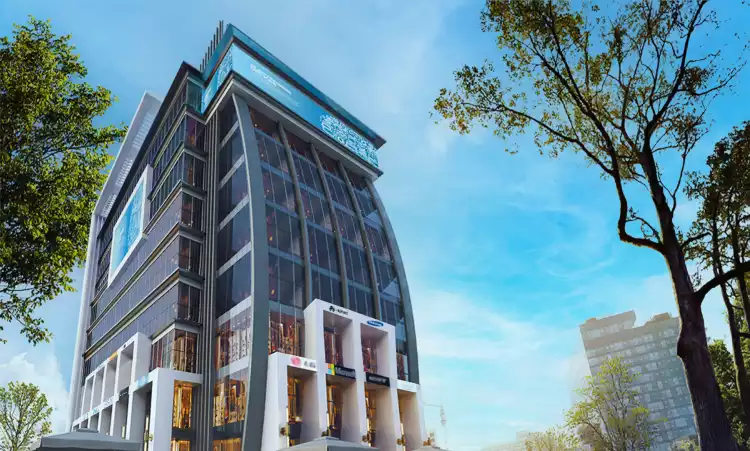
Pixel Mall New Capital spans 2,410 square meters according to some sources, though other references cite 4,000 square meters. It’s a ground floor, eight upper floors, and three basement levels for parking. Commercial units occupy floors one through four. Administrative offices fill floors five through eight.
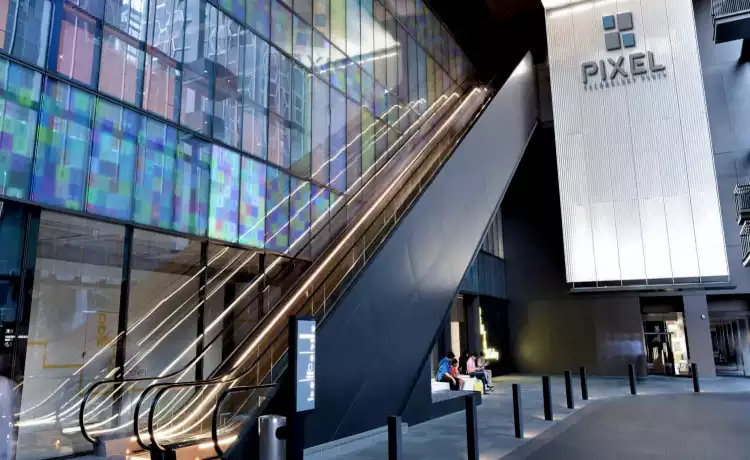
One feature is the smart screen glass on internal and external facades—digital displays that show advertisements or information. The building also has remote control systems so unit owners can manage lighting, climate control, and security via smartphone.
Whether this specialization works depends on market demand. Technology retail in Egypt has traditionally centered in established districts like Downtown Cairo and Nasr City. Getting vendors and customers to shift to the New Capital requires critical mass—enough stores to attract shoppers, enough foot traffic to sustain those stores.
Units: What’s Available and What You Get
Pixel Mall New Capital offers commercial spaces and administrative offices. Commercial units start from 25 square meters and go up to 120+ square meters—suitable for retail shops, showrooms, or service centers. Administrative offices also begin at 25 square meters, with larger units reaching 150 square meters.
Smaller units (25-50 sqm) work for kiosks, phone accessory shops, or small electronics retailers. Mid-range spaces (50-100 sqm) can handle computer stores, appliance showrooms, or tech service centers. Larger units above 100 square meters suit established brands wanting flagship locations or companies needing office space with meeting rooms.
All administrative offices in Pixel Mall come fully finished with air conditioning installed. That’s practical—it cuts fit-out costs and timeline. Commercial units have more flexibility in finishing, letting retailers customize spaces for their brand.
The building has panoramic elevators, escalators, and accessibility elevators. Each floor has bathrooms. The basement parking spans three levels. WiFi infrastructure is built in, and the building runs on both grid power and solar backup.
For investors, unit selection should match target tenant profiles. A 30-square-meter shop might suit a phone case vendor or repair service. A 100-square-meter office could house a software company or tech distributor’s regional office.
What Pixel Mall New Capital Costs?
Pricing in Pixel Mall New Capital splits significantly between commercial and administrative units. Commercial spaces start at approximately 45,000 EGP per square meter. Administrative offices begin around 19,000 EGP per square meter—roughly half the commercial rate.
This gap makes sense. Retail spaces typically generate higher rental income than offices. A 50-square-meter shop at 45,000 EGP/sqm costs 2.25 million EGP. A same-sized office at 19,000 EGP/sqm runs 950,000 EGP.
Total unit prices in Pixel Mall New Capital start from 2,050,000 EGP for smaller spaces and reach 7,650,000 EGP or more for larger units, depending on size, floor, and type.
Enwan Developments offers payment plans requiring 5% down, with the balance spread over 8 to 10 years in installments. This structure lowers the entry barrier—a 2 million EGP unit needs just 100,000 EGP upfront, with monthly payments around 16,000-20,000 EGP depending on term length.
Extended payment plans are common in Egyptian real estate. They attract individual investors and small business owners who don’t have full purchase amounts in cash. The trade-off is committing to a decade of payments on property in a developing area.
Comparing these rates to other Downtown New Capital projects helps gauge competitiveness. Some nearby malls price commercial space higher, others lower, depending on specific location and developer reputation. Administrative office rates in the 18,000-25,000 EGP/sqm range seem fairly standard for the area.
Pixel Mall New Capital Features and Systems
Pixel Mall’s defining aspect is smart building technology. The smart screen glass system on facades displays dynamic content—advertisements, wayfinding information, promotional videos. This creates revenue opportunities through ad sales and helps the building stand out visually.
Inside, units have smart control systems. Owners remotely manage their space’s lighting, window treatments, HVAC, and security cameras through a mobile app. The system tracks electricity and water consumption—useful for monitoring operating costs.
The building’s central air conditioning feeds all units. Administrative offices come with AC pre-installed. Commercial tenants can tap into the central system or add supplementary units.
Other technical features:
- Central audio system in common areas
- Fire suppression and detection systems
- 24/7 security cameras at entrances, exits, and common areas
- Backup generator and solar panel array
- High-speed fiber internet infrastructure
- Digital directories on each floor showing unit locations and tenant information
For tech-focused businesses, these features align with brand expectations. A computer retailer or smart home company operating from a building with modern infrastructure sends a message about their own capabilities.
Investment Realities
Investing in Pixel Mall means buying into assumptions about the New Capital’s development trajectory. The upside case: as government offices fill, residents move in, and the city activates, demand for commercial and office space in Downtown grows. Early investors benefit from lower entry prices and can either operate businesses from their units or lease them to tenants at rates reflecting the area’s maturation.
The technology focus could prove an advantage or limitation. If the mall becomes known as the place for electronics in the New Capital, vendor concentration creates momentum. If it struggles to differentiate from general retail centers or online shopping continues eroding physical electronics retail, the specialization narrows your tenant pool.
Factors supporting the investment case:
- Government commitment to relocating ministries and employees creates a customer base
- Limited commercial supply in Downtown currently means less competition
- Monorail and transport links will improve accessibility as they come online
- Enwan Developments has completed previous projects
- Extended payment plans make entry affordable
The financial model depends on rental yield assumptions. If you lease a 50-square-meter shop for 8,000-12,000 EGP monthly, that’s 96,000-144,000 EGP annually. On a 2.25 million EGP investment, that represents 4.3-6.4% gross yield before expenses. Administrative offices typically command lower rents, perhaps 5,000-8,000 EGP monthly for similar size, yielding 3-5% gross.
These yields are modest compared to some international markets but align with Egyptian commercial real estate norms. The real return comes from capital appreciation if the area develops as planned.
Who Pixel Mall New Capital Suits?
Pixel Mall makes sense for specific investor profiles. Small to medium business owners in the technology sector looking to establish presence in the New Capital form an obvious target. A computer retailer, phone shop, or electronics service center can both operate from the space and benefit from its appreciation.
Corporate investors wanting to secure office space for their New Capital operations at today’s prices might find the administrative units attractive, particularly with long payment plans. Buying now and paying over 10 years while the company grows its New Capital presence spreads the cost.
Individual investors treating this as rental income property need realistic expectations about lease-up timelines and rates. The New Capital commercial market is still establishing itself. Finding quality tenants takes time. This works better as a medium to long-term hold than a quick flip.
The project probably doesn’t suit investors seeking immediate cash flow or those uncomfortable with development risk. If you need rental income starting next quarter, buying in an established Cairo neighborhood makes more sense. If market uncertainty keeps you up at night, the New Capital’s evolving nature may not match your risk tolerance.
Frequently Asked Questions About Pixel Mall
What makes Pixel Mall different from other commercial projects in the New Capital?
Pixel Mall positions itself as Egypt’s first technology-focused commercial center, with each floor dedicated to specific tech categories—home appliances, smart home solutions, computers, smartphones. The building has smart screen glass facades for digital advertising and remote unit management systems. While other Downtown malls offer mixed retail, Pixel Mall’s specialization aims to create a concentrated electronics destination. Whether this differentiation translates to commercial success depends on vendor adoption and customer traffic patterns as the New Capital develops.
How does the Downtown location compare to other New Capital districts?
Downtown sits at the New Capital’s core, near government ministries, the financial district, and established residential neighborhoods like R7 and R8. This central position provides access to the city’s largest employment concentration and benefits from proximity to the monorail station. Compared to outer districts, Downtown has more active development and infrastructure completion. It also carries higher price points than peripheral areas. For commercial real estate, the centrality offers foot traffic potential that outlying zones can’t match yet.
What are the actual costs beyond the unit purchase price?
Beyond purchase price, buyers face ongoing costs. Annual maintenance fees cover common area upkeep, security, and building management—these typically run 10-15 EGP per square meter monthly in similar projects, though Pixel Mall’s specific fees aren’t publicly disclosed. Utility costs for your unit are separate. Property tax applies to commercial real estate in Egypt. If you’re leasing the unit, factor in potential vacancy periods and tenant turnover costs. Budget at least 15-20% of rental income for operating expenses and reserves.
What happens if the New Capital develops slower than expected?
Slower development affects commercial real estate directly. If government relocations delay, employee populations stay smaller, reducing customer traffic. This extends the timeline for achieving target rental rates and may increase vacancy periods.
Egypt’s government has committed substantial resources to the New Capital, and development continues despite pace fluctuations. Early investors accept this timing risk in exchange for lower entry prices. The question isn’t whether the New Capital will develop, but how quickly—and whether your investment timeline can accommodate potential delays.
Can foreign investors purchase units in Pixel Mall?
Egyptian law generally permits foreign ownership of commercial property, though specific regulations can be complex and sometimes change. Foreign buyers typically need to structure purchases through Egyptian entities or follow specific registration procedures.
Payment in foreign currency may be required or preferred by developers. Tax implications for foreign owners differ from Egyptian nationals, particularly regarding repatriation of rental income or sale proceeds. Anyone considering cross-border investment should consult with an Egyptian real estate attorney familiar with current foreign ownership rules and tax treaties.
Conclsion
Pixel Mall represents a specific bet on the New Capital’s development—that Downtown will become an active commercial hub, that technology retail can thrive in a dedicated space, and that early positioning offers advantages worth the inherent uncertainties. The project brings tangible elements: a central location near government and residential districts, modern building systems aligned with its tech focus, and accessible payment structures.
Whether it fits your investment strategy depends on your timeline, risk comfort, and objectives. Those operating tech businesses in the New Capital or building long-term commercial portfolios may find value here. Investors seeking established markets with immediate returns have better options in mature Cairo neighborhoods.
The New Capital will continue developing. The question is pace, not direction. Pixel Mall’s success ties to the broader city’s activation and whether its specialized positioning resonates with vendors and customers. For investors comfortable with that context, it offers entry to a market still in formation.
Similar Listings
EVOLVE Tower New Capital | Commercial In...
Radical 1 Mall New Capital | Commercial ...
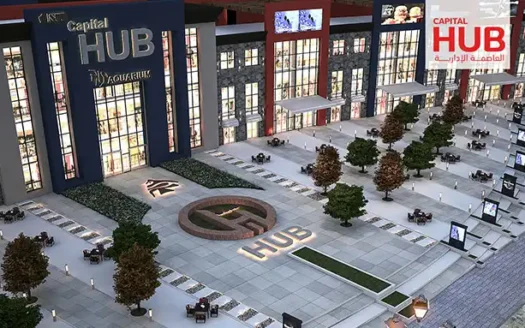
Capital Hub Mall New Capital | Commercia...