

Description
De Joya Strip Mall stands as a significant commercial development in Egypt’s New Administrative Capital, designed to serve both the growing resident base and visitors from across the region. Developed by Taj Misr Developments, this 15,000-square-meter project combines retail, administrative, and medical spaces in a strategically positioned location within the Eighth Residential District.
The mall addresses a clear market need—a modern, integrated commercial destination that blends professional services with retail and leisure. For investors considering opportunities in New Capital, De Joya Strip Mall New Capital presents a practical choice with accessible entry points, flexible financing, and a location that taps into consistent foot traffic from nearby residential communities and major thoroughfares.
Overview of De Joya Strip Mall
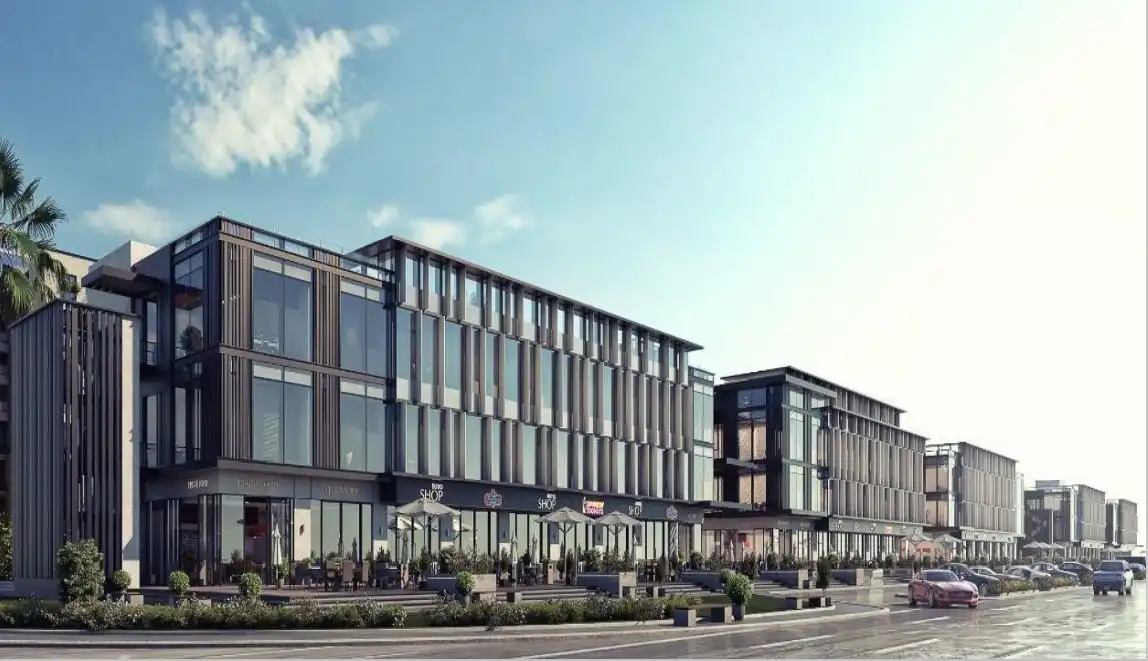
De Joya Strip Mall functions as an integrated commercial complex rather than a traditional shopping destination. The project serves residents of the adjacent De Joya compounds while attracting visitors from surrounding districts including Al Rehab, New Heliopolis, and New Cairo. The mall comprises three floors, each serving distinct purposes: ground and first floors house commercial retail, while the second floor accommodates medical clinics and administrative offices.
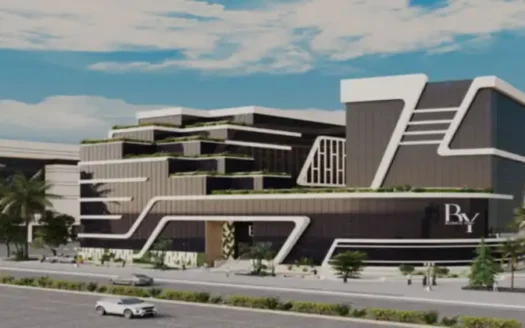
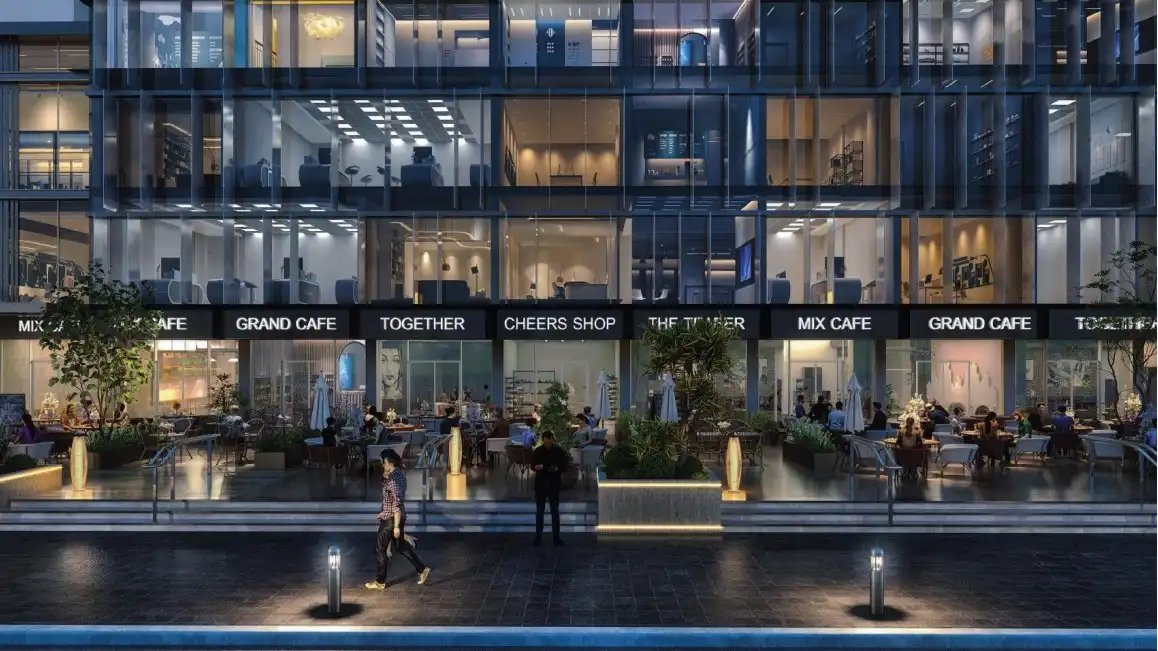
The development was designed with practical functionality in mind. Its 600-meter glass facade directly overlooks the Tourist Promenade, creating visibility and appeal without sacrificing the professional atmosphere required for medical and office tenants. This dual functionality—combining consumer-facing retail with professional services—differentiates De Joya Strip from purely commercial or purely medical facilities.
Developer Background: Taj Misr Developments
Taj Misr Developments has been operating in Egypt’s real estate sector since 2006, establishing itself through a portfolio of diverse projects across residential, commercial, and hospitality sectors. The company’s track record includes the De Joya residential compounds (De Joya 1, 2, and 3), Taj Tower in New Capital, and Azdan Mall, among others. Internationally, they’ve expanded to Qatar with projects including Al Attiya and Al Salia residential towers and the Panasonic tower in Doha.
This background matters for investors evaluating De Joya Strip Mall. The developer’s experience managing large-scale projects and maintaining relationships with institutional tenants—banks, hospitals, corporate offices—suggests operational competence. Their previous commercial projects provide a reference point for understanding how they approach tenant management and facility maintenance.
Strategic Location and Accessibility of De Joya Strip Mall
Location determines commercial success, and De Joya Strip Mall’s position in the Eighth Residential District (R8) offers genuine advantages. The mall sits directly on the Tourist Promenade with clear sightlines from major traffic arteries including Ain Sokhna Road, the Ring Road, and Mohammed bin Zayed axis. This positioning ensures visibility without requiring premium corner positioning costs.
Proximity to key landmarks strengthens the location further. The mall is minutes from the Integrated Services Area (which includes medical centers, hotels, and the Grand Library), the Diplomatic District, and the Monorail station. For investors in medical or administrative units, proximity to these institutional anchors matters—it indicates sustained demand from professionals and government workers.
De Joya Strip Mall location also benefits from accessibility to Cairo’s established communities. A ten-minute drive connects the mall to Al Rehab City, New Heliopolis, and New Cairo, meaning the customer base extends well beyond New Capital residents. The Gold Souq and Grand Shopping Area are equally accessible, positioning De Joya Strip as part of a broader commercial ecosystem rather than an isolated development.
Architectural Design and Build Quality
De Joya Strip Mall New Capital was designed by Al Dorr, an international engineering firm, to meet fourth-generation (4G) global standards. This reflects specific design specifications including sound-insulated glass facades, modern HVAC systems, and structural standards that accommodate heavy commercial use.
The three-floor layout maximizes usable space across 15,000 square meters. Ground and first floors feature column-free retail spaces, allowing flexibility for various retail concepts. The second floor’s smaller unit sizes (starting at 14 square meters) suit medical practices and administrative offices that require less footprint but benefit from shared infrastructure.
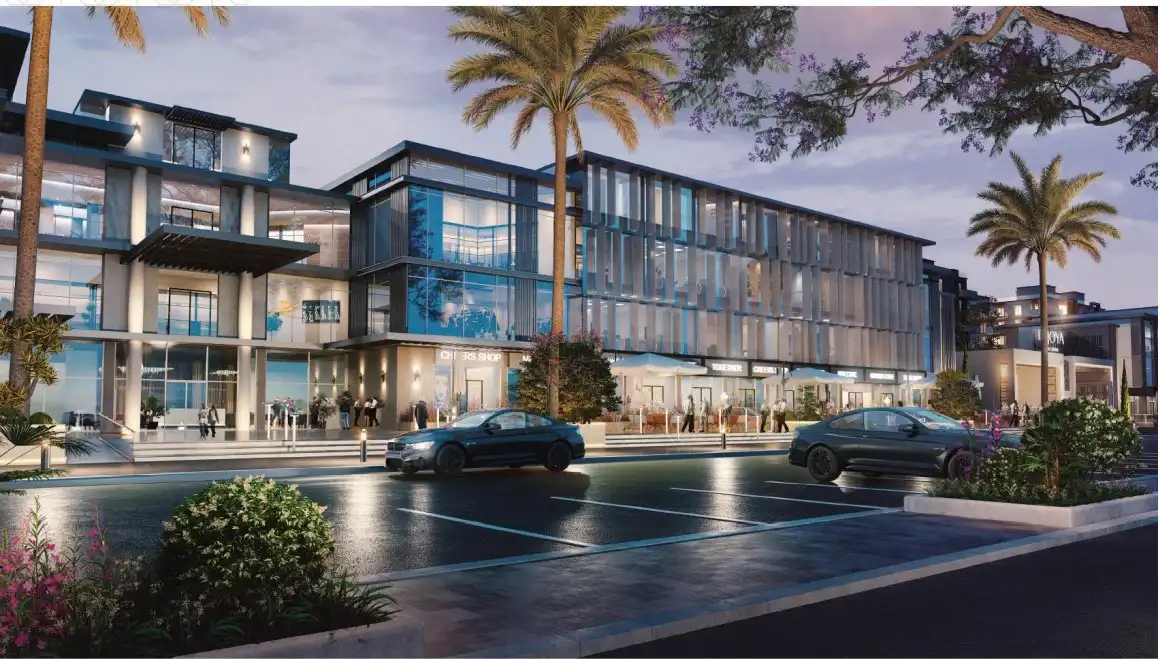
The 600-meter facade overlooking the Tourist Promenade serves practical purposes beyond aesthetics. The visual prominence attracts walk-in traffic and creates natural advertising for ground-floor retail. For medical and administrative tenants on upper floors, the glass design provides natural light and views that improve working conditions—factors that influence tenant retention and rental rates.
De Joya Strip Mall Unit Types and Sizing Options
De Joya Strip Mall offers flexibility in unit selection across three distinct categories.
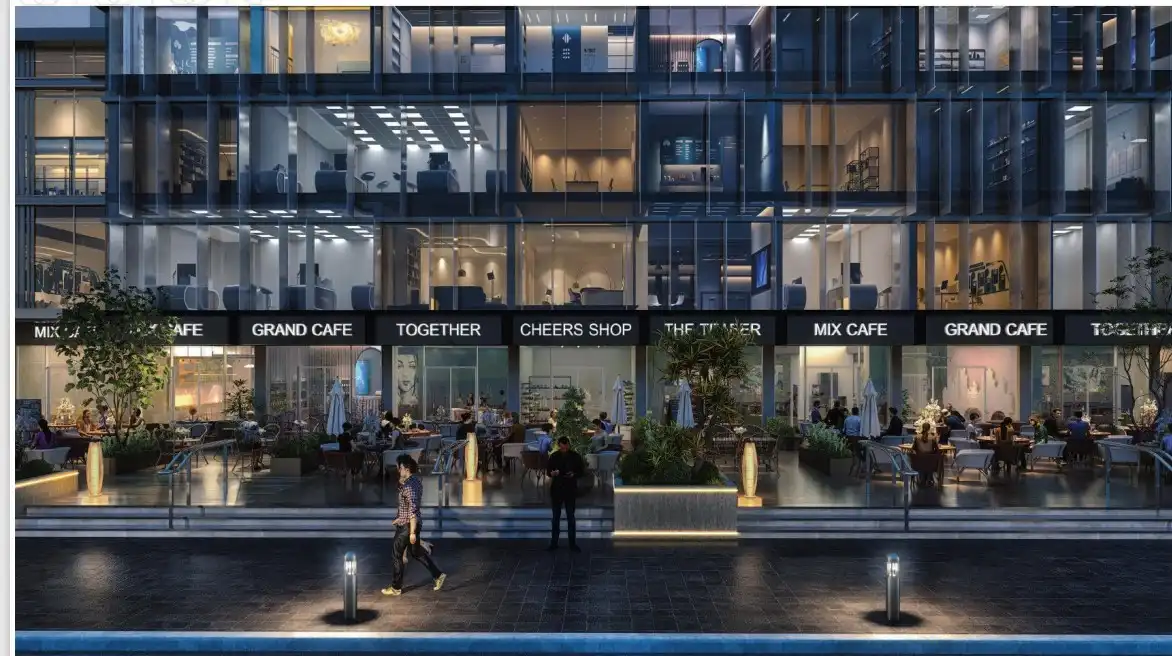
- Commercial units start at 31 square meters, accommodating everything from small specialty retail to cafes and restaurants. Larger commercial spaces reach 290 square meters, enabling full-service restaurants or retail chains. These units occupy the ground and first floors, where foot traffic justifies higher rental rates.
- Administrative units begin at 14 square meters—suitable for small professional offices, consultancies, or corporate satellite offices. These units reach approximately 100+ square meters for larger administrative operations. The second floor’s designation for administrative units creates a professional environment separated from retail activity.
- Medical units similarly start at 14 square meters, accommodating solo practitioners or small clinics, with larger spaces available for multi-specialty medical centers. The second-floor location provides privacy and separation from retail noise, important for patient-facing medical practices.
This range means investors with different capital budgets can participate. A 14-square-meter administrative or medical unit requires substantially less investment than a 100+ square meter commercial space, lowering barriers to entry while maintaining exposure to the same location and tenant base.
De Joya Strip Mall Amenities and Operational Features
De Joya Strip Mall New Capital includes infrastructure that professional tenants expect and retail customers appreciate. Central air conditioning, high-speed internet, and backup power generators ensure operational continuity. These aren’t luxury features—they’re baseline requirements for competitive commercial spaces.
Security receives substantial attention: 24/7 surveillance, trained security personnel, electronic access gates, and monitored fire alarm systems address tenant concerns and insurance requirements. An underground parking garage serves both unit owners and visitors, critical for commercial viability in New Capital where personal vehicle use dominates transportation.
The surrounding landscaping—extensive green spaces and seating areas—contributes to the customer experience. For retail tenants, this creates an inviting environment that encourages browsing and extended visits. For medical and administrative tenants in De Joya Strip Mall New Capital, it provides outdoor space for patients and employees, improving perceived quality of the facility.
Panoramic elevators and escalators facilitate vertical movement, important in a three-story facility with significant daily traffic. Display screens throughout the mall enable advertising and wayfinding, generating potential secondary revenue streams for the developer and creating promotional opportunities for tenants.
Pricing Structure and Financial Entry Points
De Joya Strip Mall New Capital pricing reflects market rates for New Capital commercial property while remaining accessible compared to established Cairo locations. Commercial units start around 24 million EGP, while administrative and medical units begin at approximately 6 million EGP. Per-square-meter pricing ranges from 57,000 EGP (administrative) to 130,000 EGP (commercial), depending on location and size.
These figures matter in context. Comparable commercial spaces in established Cairo districts command significantly higher absolute prices and per-square-meter rates. New Capital’s lower costs reflect its emerging status, but also represent an opportunity—early investors benefit from lower entry costs with potential appreciation as the city matures.
The developer offers flexible payment structures designed to accommodate different financial situations:
- 5% down payment with payment over 8 years
- 10% down payment with payment over 9 years
- 30% down payment with payment over 14 years
For investors without substantial liquid capital, these options enable participation without requiring full cash purchases.
Investment Rationale and Market Positioning
Several factors support De Joya Strip Mall as an investment consideration. The location sits within New Capital’s most developed district, not on its periphery. Established residential compounds (De Joya 1, 2, 3, and others) provide immediate customer base and ongoing foot traffic. Unlike speculative developments in undeveloped areas, this mall serves an existing population.
The mixed-use approach—combining retail, medical, and administrative—diversifies revenue. A retail downturn doesn’t eliminate demand for medical services or office space. This diversification provides stability compared to single-use commercial properties.
The developer’s institutional relationships matter practically. Taj Misr’s track record attracting banks, medical centers, and corporate tenants to previous projects suggests ability to fill De Joya Strip with quality tenants. Strong tenant quality improves rental rates and reduces vacancy risk.
The New Capital’s government backing provides policy stability. Unlike private developments dependent on market cycles, New Capital benefits from continued government investment in infrastructure, services, and institutional relocations. This creates structural support for commercial property demand.
Frequently Asked Questions
Who should consider investing in De Joya Strip Mall units?
De Joya Strip Mall suits several investor profiles. Business owners seeking retail or office space in New Capital can occupy units directly. Investors seeking rental income can purchase units and lease to retailers, medical practitioners, or corporate tenants. The flexible payment plans make it accessible to investors without substantial liquid capital. The primary requirement is understanding that commercial real estate returns develop over time—this isn’t a quick-flip opportunity but a medium to long-term investment.
What distinguishes De Joya Strip Mall from other New Capital commercial projects?
The primary distinction is location maturity. De Joya Strip sits within the Eighth Residential District, surrounded by established residential compounds providing immediate customer base. Many competing commercial projects occupy less-developed areas with uncertain tenant demand. Additionally, the mixed-use approach (retail, medical, administrative) diversifies revenue compared to single-purpose commercial buildings. The developer’s track record managing similar projects provides operational confidence.
How does the payment plan work, and what are typical monthly obligations?
Payment structures begin with down payments ranging from 5% to 30%, with remaining balances spread over 7 to 14 years. A 5% down payment on a 6 million EGP administrative unit requires 300,000 EGP upfront, with the remaining 5.7 million spread over eight years (approximately 59,375 EGP monthly). Exact monthly amounts depend on the specific unit price, down payment percentage, and payment term selected. Investors should calculate their specific scenario with the sales team before committing.
What rental income potential exists for commercial units?
Rental rates in New Capital commercial properties typically range from 1,000 to 3,000 EGP per square meter annually, depending on location and unit type. A 50-square-meter commercial unit might generate 50,000 to 150,000 EGP annually in rental income. However, this depends on securing quality tenants and maintaining the space. De Joya Strip’s location and developer reputation suggest reasonable occupancy potential, but investors should research comparable properties and local market rates rather than assuming maximum returns.
What happens if I need to sell my unit before the payment plan concludes?
Secondary market liquidity for New Capital commercial units remains developing. Sales are possible but may require accepting below-asking prices depending on market conditions and timing. Investors should view De Joya Strip units as medium to long-term holdings (5+ years) rather than short-term trading assets. The payment plan structure means investors build equity over time, which supports long-term holding.
How does the New Capital’s development timeline affect investment timing?
New Capital’s infrastructure and institutional development continues through 2026 and beyond. De Joya Strip’s completion is projected for mid-2026. This timeline means the mall opens as the city reaches critical mass in residential population and government operations. Early investors benefit from lower entry costs, but should expect that maximum appreciation occurs as the city fully develops. This supports a patient investment approach rather than expecting immediate returns.
Conclusion
De Joya Strip Mall represents a practical commercial investment opportunity within New Capital’s most developed district. The combination of strategic location, mixed-use functionality, established developer, and flexible payment structures creates genuine accessibility for investors with varying capital levels and investment timelines. The project addresses real market needs—retail, medical, and administrative space for a growing urban population—rather than speculative demand.
Success with De Joya Strip depends on realistic expectations. This is a medium to long-term investment in emerging-city commercial real estate, not a quick-return opportunity. The location’s maturity and developer’s track record support reasonable confidence in occupancy and rental potential, but market conditions will ultimately determine returns.
Interested investors benefit from thorough due diligence: comparing pricing against comparable properties, understanding their specific financial obligations across different payment plans, and evaluating how the investment aligns with their broader portfolio strategy. For those viewing New Capital as Egypt’s emerging commercial center, De Joya Strip Mall offers a tangible entry point.
Similar Listings
Owagik Tower New Capital | What You̵...
Milano Tower New Capital | Commercial Sp...
Evira Mall New Capital | What You Should...