



Description
Paragon 2 Mall sits in the Financial and Business District of the New Administrative Capital, a few minutes from the Parliament, the Egyptian Stock Exchange, and the Presidential Palace. It’s developed by Paragon Developments with Schneider handling the smart infrastructure—IoT controls, energy management, that sort of thing.
Paragon 2 New Capital is administrative only. No residential units, limited retail. You’re looking at office space designed for businesses that need to be near government institutions and financial hubs. Unit sizes start around 60 to 67 square meters and go up to 150. Prices begin at roughly 133,000 EGP per square meter.
Payment plans include 0% down payment options and installments up to six years. Delivery is scheduled for 2026, though timelines in new districts have a habit of shifting.
This breakdown covers location practicalities, what the units actually offer, pricing structures, and whether the investment logic holds up.
Where Paragon 2 Mall Actually Sits?
Paragon 2 Mall is on plot CS26 in the Financial District, facing the Presidential Palace. The Egyptian Stock Exchange is nearby. So is the Central Bank. The Parliament and Government District are within five minutes by car.
This isn’t a mixed-use neighborhood. It’s a business zone—banks, ministries, corporate offices. If your work involves regular trips to government agencies or financial institutions, the location saves time. If you’re hoping for foot traffic from residents or tourists, you won’t find it here.
The project overlooks the Green River, a landscaped corridor running through the capital. It’s also close to Mohamed bin Zayed Axis and the Ring Road, two main routes connecting the New Capital to Cairo and surrounding areas.
The German University and Canadian University are in the vicinity. That might matter if you’re targeting academic partnerships or student services, but the real draw is the concentration of government and financial activity.
Who’s Behind the Project?
Paragon Developments is the result of a merger between two investment firms. Combined, they claim about 30 years of experience in commercial and administrative projects. The company is relatively new to the New Capital market—Paragon 1 was their first project here, and Paragon 3 is in the works.
The partnership with Schneider is the more interesting piece. Schneider provides the building’s smart systems—IoT-enabled controls for lighting, climate, and energy use. Tenants can monitor and adjust systems remotely, which can cut operating costs if it works as advertised.
Paragon’s focus is narrow: administrative and medical units in business-heavy districts. They lean into European design standards and glass facades, aiming for a corporate look that fits multinational office environments.
Whether that translates to lasting value depends on how the Financial District develops. If the New Capital attracts the volume of businesses it’s designed for, the approach makes sense. If not, you’re left with office space in an underutilized district.
What You’re Buying: Unit Types and Sizes
Paragon 2 Mall is strictly administrative. No residential, minimal commercial retail. About 205 office units spread across a ground floor and seven upper floors.
Unit sizes start from 60 to 67 square meters—sources vary slightly. Larger units reach 150 square meters. The ground floor spans roughly 2,700 square meters with 6.8-meter ceilings. The first floor is around 2,400 square meters with 4-meter ceilings. Floors two through seven are about 1,400 square meters each, with 3.5-meter ceilings.
Smaller units in Mall Paragon 2 New Capital suit solo practitioners, startups, or satellite offices. Mid-sized units work for consulting firms, legal practices, financial advisors—anyone who needs a few workstations and a meeting room. Larger units fit regional offices or companies with multiple teams.
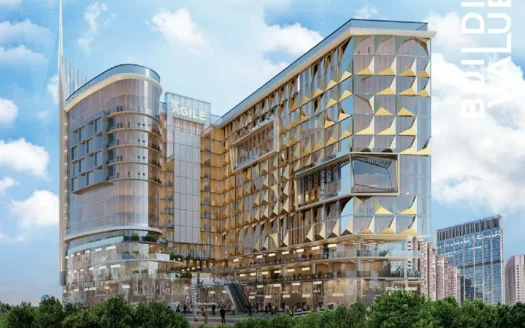
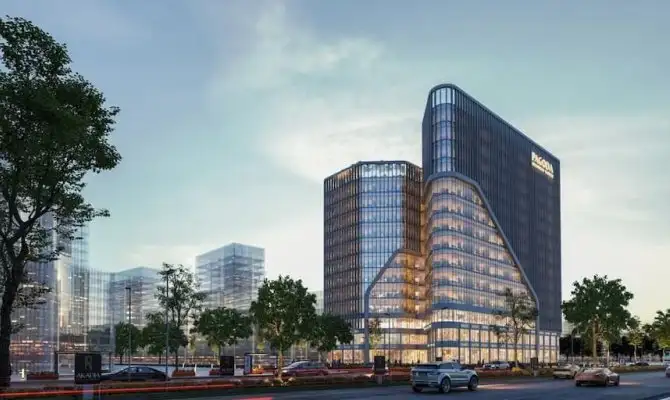
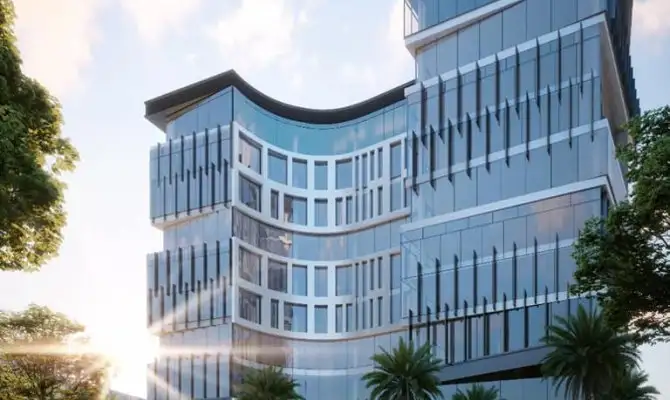
The developer mentions “luxurious interior finishes,” but specifics on materials and build quality aren’t detailed. The glass facades provide natural light and views of the surrounding green spaces, which is practical for office environments—people generally prefer windows.
The limitation to administrative use only is deliberate. It keeps the environment professional, but it also removes flexibility. If you were hoping to add a ground-floor café or convert space to retail later, that’s not happening. The zoning won’t allow it.
Design and Smart Building Features
Paragon 2 Mall uses AI and IoT technology for building management. Schneider’s systems handle centralized control of energy, lighting, and climate. For tenants, this could mean lower utility bills and the ability to adjust office conditions remotely—useful if you’re managing multiple locations or have irregular hours.
The building has 13 panoramic elevators, each holding about 15 people. That’s above average for a mid-rise and should keep wait times reasonable during peak hours.
Green spaces take up a significant chunk of the total area. The exact percentage isn’t consistent across sources, but the emphasis on landscaping and water features is clear. The building overlooks these areas from all sides, which provides visual relief and helps with noise and air quality.
Fire safety in Paragon 2 New Capital Mall includes alarms, smoke detectors, and extinguishers on every floor. Security is 24-hour surveillance cameras and trained personnel. Standard features, but worth confirming they’re actually implemented—not just listed in the brochure.
The architectural style is modern and minimal. Glass and steel dominate. It’s designed to match the broader Financial District aesthetic, which favors clean lines and corporate uniformity. Whether you find that appealing or sterile is subjective.
What’s Inside: Services and Amenities?
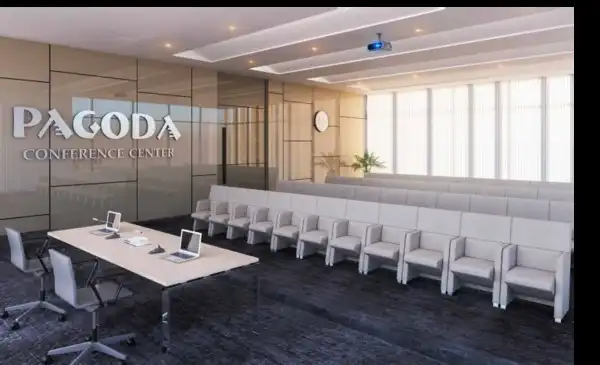
Paragon 2 Mall includes several conference halls with presentation tech. These are shared spaces, available for tenant use. If you host occasional meetings but don’t need a dedicated conference room, this saves money.
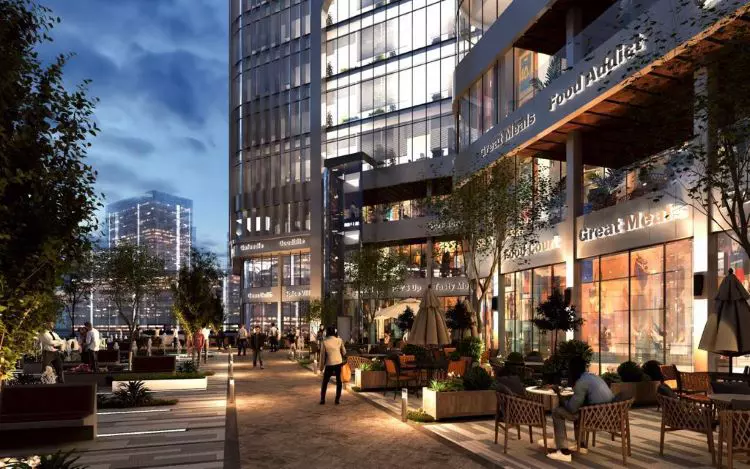
Restaurants and cafes are on-site—Western and Eastern cuisine, plus an espresso bar. This matters more than it might seem. Convenient food and drink options mean employees don’t need to leave the building during breaks, which keeps productivity higher and makes the location feel less isolated.
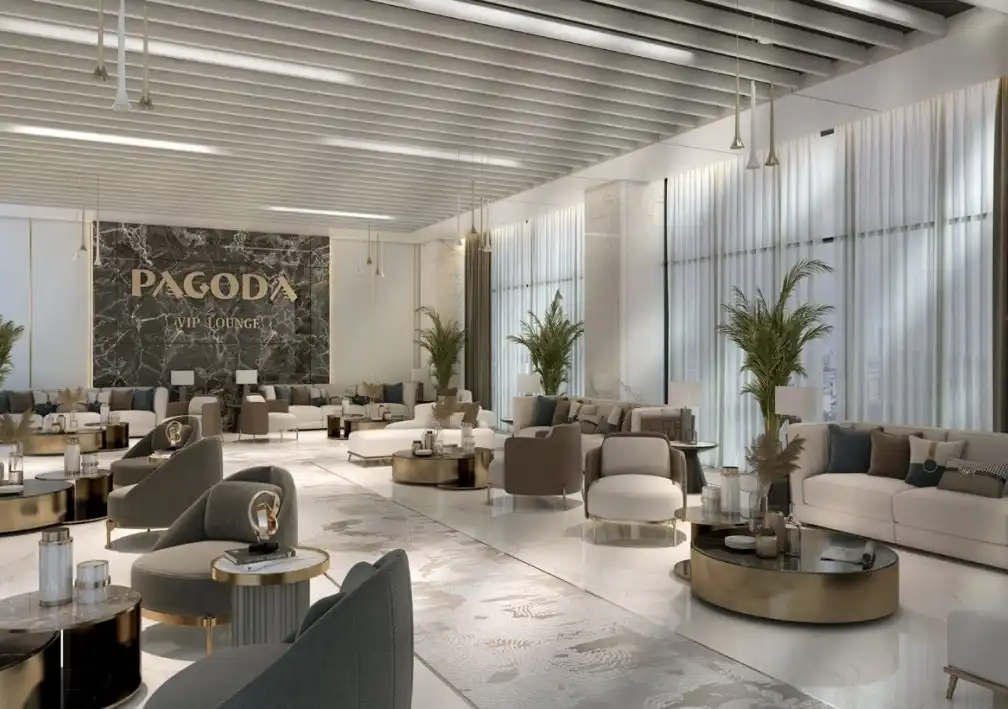
There’s a fitness center with spa facilities, Jacuzzis, and massage services. Whether this appeals depends on your work culture. For some businesses, it’s a perk that helps with recruitment. For others, it’s a feature no one uses. Know your team before you factor this into your decision.
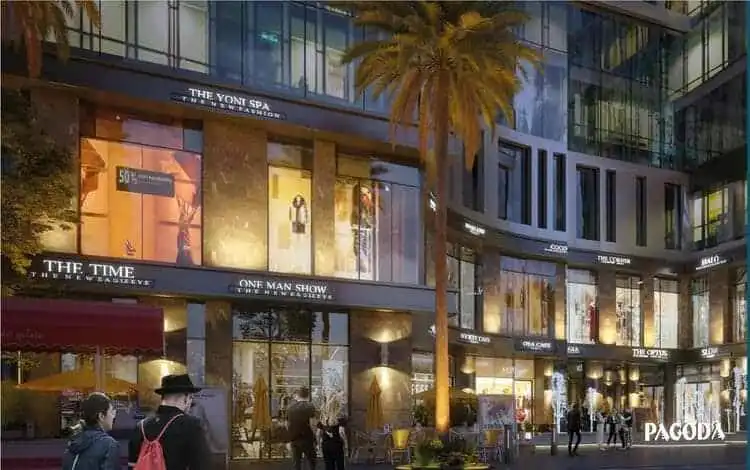
Retail stores in Paragon 2 Mall are present but limited—perfumes, cosmetics, fashion. The entertainment area has billiards and bowling, which feels like an attempt to create a “lifestyle environment” more than a core business amenity.
High-speed internet is provided throughout. Maintenance services operate continuously. This is crucial—businesses can’t afford downtime due to infrastructure failures. Confirm response times and what’s covered under standard maintenance versus what you’ll pay extra for.
Pricing and Payment Structures
Administrative units in Paragon 2 Mall start at approximately 133,000 EGP per square meter. A 67-square-meter unit would run around 8.9 million EGP before discounts.
The developer offers multiple payment structures:
Cash Payment Options:
- Pay in full upfront: 40% discount
- Pay in full within one year, 0% down: 37% discount
- Pay in full within two years, 0% down: 34% discount
Installment Plans:
- 10% down, six-year installment: 9.5% discount
- 10% down, five-year installment: 15% discount
- 10% down, four-year installment: 18.5% discount
- 10% down, three-year installment: 23% discount
The 0% down payment options in Paragon 2 Mall are unusual. They lower the entry barrier, but read the fine print. These structures often come with stricter terms or higher base pricing to compensate. The cash discounts are substantial, which tells you the developer is prioritizing liquidity and early sales momentum.
These prices put Paragon 2 Mall in the mid-to-upper range for the New Capital’s administrative market. Whether that’s justified depends on how the district develops and whether office space demand meets projections.
What Could Go Wrong
The lack of mixed-use options is the most common complaint. Some investors prefer projects where they can diversify—an office unit and a retail space, for example—to hedge against market shifts. Paragon 2 Mall doesn’t offer that.
Infrastructure in the New Capital is still developing. Major roads and utilities are in place, but public transportation remains limited. Businesses relying on employees who commute via metro or bus may struggle until those networks expand.
Market absorption is a question mark. The New Capital has a large supply of administrative units coming online across multiple projects. Whether demand can absorb this supply at projected prices is uncertain. Oversupply could pressure rental rates and resale values.
The 2026 delivery date is a target of Paragon 2 Mall, not a guarantee. Construction delays are common in large-scale developments, especially in emerging districts. Build in a buffer of 6 to 12 months when planning your investment or business move.
Maintenance fees and service charges aren’t clearly detailed in available sources. These ongoing costs can significantly impact net returns. For a project with smart technology and extensive facilities, expect fees in the range of 15 to 25 EGP per square meter monthly, but confirm exact amounts before committing.
Who This Actually Suits
Paragon 2 Mall makes the most sense for businesses that need proximity to government institutions and financial hubs. Legal firms handling regulatory matters, consulting firms with government contracts, financial advisors serving banking clients—these are the natural fits.
Investors looking for rental income in a business district should consider the tenant profile carefully. You’re targeting corporate clients or professional services, not retail or residential renters. That means longer lease terms but also more sensitivity to economic cycles.
Businesses planning to relocate to the New Capital might find Paragon 2 Mall practical if their operations require a Financial District address. The smart building features and professional environment align with corporate standards.
It’s less suitable for businesses that depend on high foot traffic or consumer-facing operations. The district is designed for B2B and government interactions, not retail or hospitality.
Frequently Asked Questions About Paragon 2 Mall
What’s the actual total area of Paragon 2 Mall?
Sources list both 23,000 and 11,000 square meters. The larger figure likely includes surrounding landscaping and shared spaces. The smaller number probably refers to the building footprint or net leasable area. For investment purposes, focus on the net usable area of your specific unit rather than total project size.
Can I convert an administrative unit to commercial retail?
No. Paragon 2 Mall is zoned exclusively for administrative use. The developer has restricted unit types to maintain a professional business environment. Changing the use designation would require regulatory approvals that are unlikely given the project’s positioning.
How realistic is the 2026 delivery timeline?
Construction timelines in the New Capital have historically faced delays. While 2026 is the target, build in a buffer of 6 to 12 months. Check for regular construction updates and verify that building permits and approvals are current. Late delivery affects rental income projections and business relocation plans.
What are the ongoing maintenance and service fees?
Specific charges aren’t detailed in available materials. For a project of this scale with smart technology and extensive facilities, expect fees around 15 to 25 EGP per square meter monthly. Confirm exact amounts with the sales team—these costs directly impact your net return.
Is bank financing available for Paragon 2 Mall units?
The developer offers installment plans directly. Bank mortgage availability for New Capital commercial properties varies. Some Egyptian banks have programs for administrative unit financing, but terms are typically shorter and down payments higher than residential mortgages. Developer financing may be more accessible, but compare interest rates and total cost carefully.
What if the Financial District doesn’t develop as planned?
This is a real risk in any emerging district. If business migration to the New Capital is slower than projected, rental demand and property values could stagnate. The government’s commitment to relocating ministries provides some foundation, but private sector adoption is the larger question. Monitor occupancy rates in completed nearby projects as an indicator of market health.
Conclusion
Paragon 2 Mall offers a specific proposition: administrative office space in the New Capital’s Financial District with smart building technology and flexible payment terms. The location near government institutions and banks is its primary asset—valuable for businesses that need that proximity.
Paragon 2 Mall limitations are equally clear. It’s not mixed-use, it’s in a district still proving itself, and the market for administrative space faces competition from multiple new projects. The 0% down payment options lower entry barriers, but overall pricing is mid-to-upper range.
For the right buyer—a business relocating to the area or an investor comfortable with the district’s long-term trajectory—Paragon 2 Mall provides a professional environment with modern infrastructure. For others, the restrictions and uncertainties may outweigh the advantages.
The New Capital represents a long-term bet on Egypt’s administrative and economic future. Paragon 2 Mall is a piece of that bet, well-positioned within its district but subject to the same uncertainties affecting any emerging urban development. Approach it with clear expectations about both the opportunity and the risks involved.
If you need more details on current availability or want to compare with similar projects in the Financial District, reach out directly to the sales team or work with a consultant who knows the area.
Similar Listings
Senet 3 New Capital Mall

Rixoz Mall New Capital |Commercial Inves...
The Rook Mall New Capital | Commercial S...