




Description
The New Administrative Capital’s Financial District is starting to take shape, and Mall Sector New Capital sits right in the middle of it. Developed by Modad Properties, this project targets businesses looking for functional office space rather than elaborate commercial complexes.
What you’re getting here is straightforward: administrative offices ranging from 45 to 115 square meters, positioned near government ministries, the Central Bank, and key transport links. The developer focused on accessibility and modern infrastructure without the usual marketing noise.
Sector New Capital Mall isn’t trying to be everything to everyone. It’s designed specifically for businesses that need proximity to decision-makers and institutions—law firms, consultancies, financial services, corporate support operations. If your business model depends on that kind of access, the location makes sense.
The payment structure is simple: 10% down, six years interest-free installments, four-year delivery. Pricing starts at 3,900,000 EGP for the smallest units. Whether that represents good value depends on how the Financial District develops and what comparable projects are offering.
Let me walk you through what Mall Sector actually delivers, who it’s suited for, and what you should consider before committing.
About Mall Sector and Modad Properties
Modad Properties launched Mall Sector New Capital as their first major project in the New Capital. They’ve been active since 2011, mainly handling institutional work—bank branches for Banque Misr and the National Bank of Egypt, projects for the Arab African International Bank, and developments in Dahshur and Dar Misr.
The company positioned Sector New Capital Mall exclusively in the administrative office category. No retail, no residential—just offices. That focus shapes everything about the project, from unit sizes to service offerings.
Engineer Raef Fahmy handled the architectural design. His portfolio includes several commercial projects across Egypt, and his approach here emphasizes function over flash. The buildings use reinforced concrete construction with materials selected for durability and climate resistance.
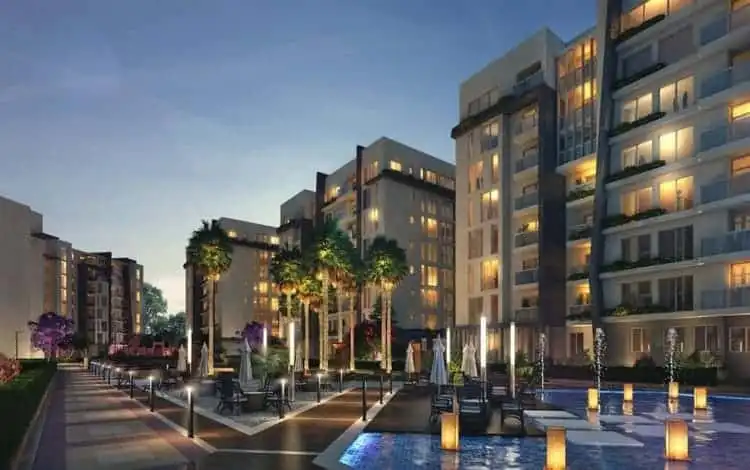
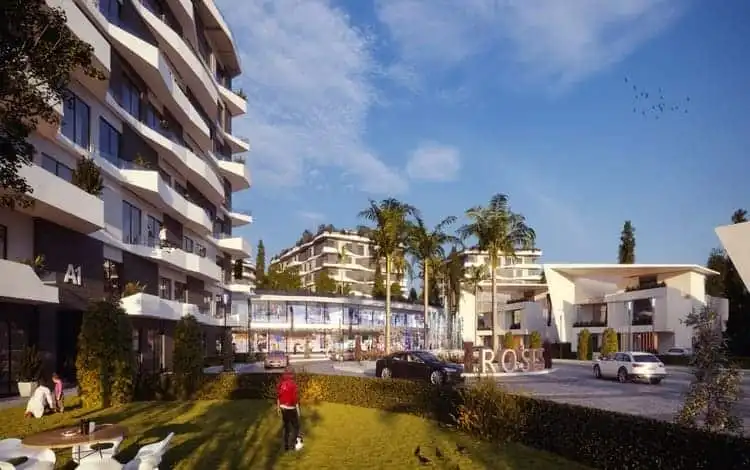
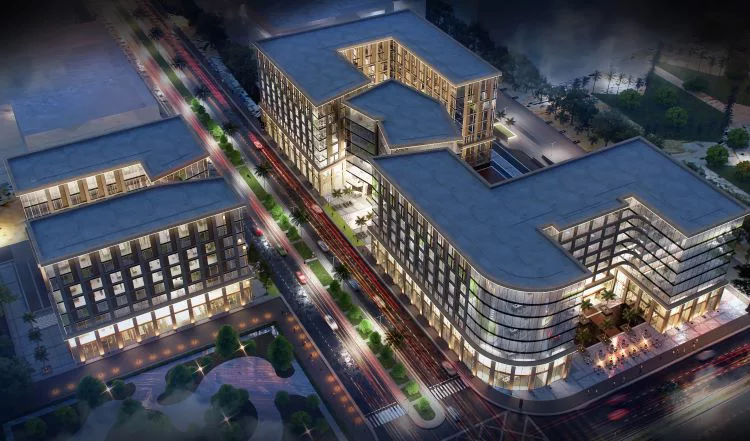
The project covers 67,491 square meters. Buildings consist of ground floor plus seven typical floors. Three underground levels handle parking. The rest of the land accommodates circulation, service areas, and some landscaping.
Modad Properties brought in Inspire Integrated for facility management. That means day-to-day operations—maintenance, security, cleaning—are handled by a specialized firm rather than the developer directly. This arrangement usually improves service consistency over time.
Mall Sector Location and What It Actually Offers
Mall Sector sits in the Financial District, which puts it near several key institutions. The Central Bank of Egypt has its New Capital headquarters here. The Egyptian Stock Exchange is nearby. Government ministries are roughly five minutes away by car.
The Monorail station is within walking distance. Once fully operational, this connects the mall to Cairo and other New Capital zones. Cairo International Airport is about 15 minutes via the Mohammed bin Zayed Axis.
The Embassy District is close by, housing diplomatic missions and related services. Al Masa Hotel is minutes away for client accommodation. The Iconic Tower—one of the capital’s tallest structures—is visible from the mall.
What this location provides is proximity to institutions and decision-makers. What it doesn’t provide is residential density or retail foot traffic. If your business model depends on walk-in customers or consumer-facing services, this isn’t the right spot.
For B2B operations—consulting, legal services, financial advisory, corporate support—the location works. You’re near the people and organizations that matter for those sectors.
The Cairo-Ain Sokhna Road is about 60 kilometers away, connecting to the Red Sea coast. For daily operations, the key routes are the internal New Capital road network and the Mohammed bin Zayed Axis.
Mall Sector New Capital Design and Infrastructure
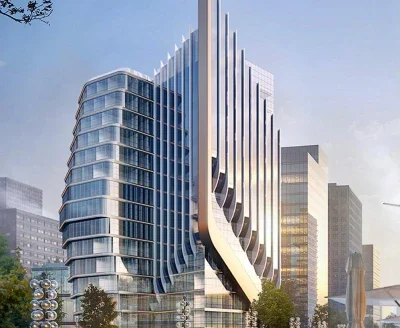
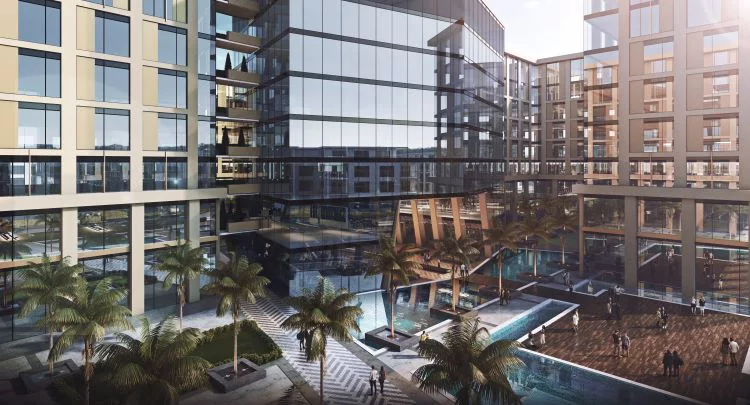
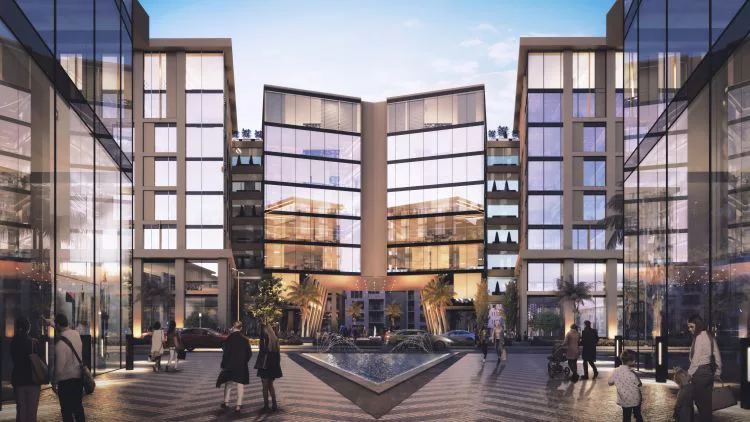
The architectural approach emphasizes efficiency. Buildings in Mall Sector use reinforced concrete with materials chosen for weather resistance and structural integrity. Façades feature glass elements and modern cladding, but the focus is on energy efficiency and maintenance practicality.
Panoramic elevators and escalators serve each floor. The elevator systems include backup power from on-site generators, which matters when downtime affects multiple tenants simultaneously.
Central air conditioning handles cooling across all floors. Large condensers manage the load, with individual unit controls for temperature adjustment. The system is designed for Egypt’s summer heat, which regularly exceeds 40 degrees Celsius.
Fire safety includes smoke detectors, sprinkler systems, and marked emergency exits on every floor. Electronic fire doors close automatically when alarms trigger. The building meets Egyptian fire code requirements.
Three underground parking levels accommodate vehicles in Mall Sector New Capital. Ramps are wide enough for SUVs, with adequate turning radii and column spacing. Elevators connect parking levels to all floors.
Restrooms are on each floor, separated by gender. The developer used commercial-grade fixtures designed for high-traffic use. Cleaning teams maintain these throughout business hours.
The design includes accessibility features—ramps, designated parking, wheelchair-accessible elevators, and appropriate corridor widths.
Glass in windows and façades is treated for thermal insulation and noise reduction. This matters for conference calls and client meetings where quiet environments are essential.
Mall Sector New Capital Services and Facilities
- Security personnel work 24-hour shifts in Mall Sector New Capital, monitoring entry points and patrolling common areas. CCTV cameras cover parking, lobbies, corridors, and building perimeters. Footage is stored digitally for incident review.
- Electronic gates control vehicle access to parking. The system uses card readers or remote controls, creating entry and exit records. This adds security and helps manage parking allocation.
- High-speed internet infrastructure is built in. Fiber optic cables connect to each unit, allowing tenants to arrange service with their preferred provider. Free Wi-Fi is available in common areas, though speeds vary during peak hours.
- Conference rooms are available for tenant use in Mall Sector, equipped with presentation equipment, sound systems, and climate control. Sizes range from small meeting spaces to larger rooms. Booking systems manage reservations.
- ATMs from multiple Egyptian banks are located in the ground-floor lobby. Employees and visitors can access banking services without leaving the building.
- Maintenance teams handle repairs and technical issues. The facility management company conducts regular inspections of elevators, HVAC, electrical infrastructure, and plumbing. Response times for urgent repairs are outlined in tenant agreements.
- Cleaning crews work throughout the day on common areas, restrooms, and exteriors. Individual units are the tenant’s responsibility, though cleaning services can be arranged separately.
- Backup generators activate automatically during power outages in Mall Sector New Capital, providing capacity for elevators, lighting, and essential systems until main power returns.
- Reception desks in the lobby provide visitor guidance and tenant support. Staff direct guests to offices, handle package deliveries, and answer basic questions.
- Some ground-floor spaces house cafes and small restaurants. These provide food and beverage options, though selection is limited compared to retail-focused malls.
- A pharmacy operates within Mall Sector, stocking basic medications and first-aid supplies for handling minor health issues during the workday.
Mall Sector New Capital Unit Sizes and Pricing
Sector New Capital Mall offers administrative offices only. Sizes start at 45 square meters and extend to approximately 115 square meters.
The smallest units suit solo practitioners, startups, or small teams. Mid-sized units (60-85 square meters) accommodate growing businesses with moderate space needs. Larger units work for established companies needing multiple workstations, meeting areas, and storage.
Pricing starts at 3,900,000 EGP for the smallest units. Larger spaces cost more, scaling with square meterage and floor level. Higher floors with better views typically carry a premium, though the difference isn’t dramatic given the business focus.
Real estate values fluctuate with economic conditions and currency changes. The figures here reflect published developer rates, but confirming current pricing directly is advisable.
Units come with basic finishing—flooring, painted walls, functional utilities. Tenants handle interior fit-outs according to specific needs. This keeps base prices lower while allowing customization.
Layouts vary. Some spaces are open-plan, suitable for modern office configurations with flexible workstations. Others include built-in partitions separating reception areas from private offices.
Mall Sector New Capital Payment Structure
Modad Properties – The Developer of Mall Sector – offers payment starting with a 10% down payment. The remaining balance spreads over six years in equal installments, interest-free.
The six-year period is relatively short for Egyptian commercial real estate, where some developers offer up to ten years. This means higher monthly payments but faster equity building. Cash flow needs to support the installment amounts.
Delivery is scheduled four years from purchase. Buyers continue making payments for two years after receiving their unit. This allows generating rental income or using the space before completing payments.
The payment plan doesn’t include maintenance fees or property taxes—these are separate ongoing costs that need factoring into financial projections.
The developer may offer promotional terms during sales campaigns, such as reduced down payments or extended periods. These vary by timing and inventory levels.
For buyers using bank financing instead, terms differ. Banks typically require larger down payments (20-30%) and charge interest, but may offer longer repayment periods. Comparing both options helps determine which fits better financially.
Investment Considerations
The New Capital aims to become Egypt’s governmental and business center. If this materializes, properties in core zones like the Financial District should see sustained demand. However, the capital is still developing, and actual occupancy rates vary across projects.
Mall Sector’s location near government institutions and financial headquarters positions it well for businesses needing that proximity. Law firms, consulting agencies, financial advisors, and corporate service providers are logical tenant profiles.
Rental yields in the New Capital’s commercial sector vary widely. Some projects report strong occupancy and stable rents, while others struggle to fill units. Sector’s success depends partly on the broader Financial District development and the pace of government and corporate relocation.
Comparing Mall Sector to similar projects provides context. Nearby developments include Track 20 Tower, Castle Gate Mall, and Capital Crown Mall. Each has different unit sizes, pricing structures, and target markets. Sector’s administrative office focus gives it a distinct position.
Infrastructure continues expanding. The Monorail network, once fully operational, should improve connectivity significantly. Road networks are largely complete, but traffic patterns will evolve as more people relocate.
Currency fluctuations affect Egyptian real estate values. Properties priced in Egyptian pounds face inflation and exchange rate changes. Buyers paying installments over six years face currency risk, though the interest-free structure provides some compensation.
For investors buying to rent, tenant demand is critical. The Financial District’s development pace, government relocation timelines, and corporate adoption rates all influence rental markets. Due diligence means researching current occupancy rates in similar projects and understanding tenant requirements.
Who This Works For?
Sector New Capital Mall makes sense for specific profiles. Established businesses relocating to the New Capital need functional office space near government clients or banking partners. The Financial District location supports this.
Professional service providers—lawyers, accountants, consultants—benefit from the address and proximity to decision-makers. Office sizes accommodate small to medium practices without excessive space or cost.
Investors looking for commercial property in a developing area might find value, but should approach with realistic expectations. Rental demand builds gradually as the New Capital matures. Early buyers may face vacancy periods or lower initial rents.
Startups and entrepreneurs with growth plans could use smaller units as a base while scaling. The payment plan allows spreading costs, though the four-year delivery means waiting before occupying.
Who might look elsewhere? Retail businesses need foot traffic, which the Financial District doesn’t provide. Companies requiring large floor plates (200+ square meters) will find unit sizes limiting. Businesses dependent on mature infrastructure and immediate workforce access might prefer established Cairo locations.
The decision hinges on specific operational needs, financial capacity, and timeline. Mall Sector offers particular attributes suited to certain business models and investment strategies.
Frequently Asked Questions About Mall Sector
How is the 67,491 square meter land area actually used?
Most of the area goes to building footprints and circulation. Buildings are ground floor plus seven typical floors, housing administrative offices. Three underground levels provide parking. The remaining area includes service zones, landscaping, and access roads. No residential or retail components are included.
How does Mall Sector compare to other Financial District projects?
Mall Sector focuses exclusively on administrative offices, unlike mixed-use projects combining retail and commercial elements. Projects like Track 20 Tower and Castle Gate Mall offer broader unit types. Sector’s pricing starts at 3,900,000 EGP for 45 square meters, competitive but varying by floor and location. The six-year payment plan is shorter than some competitors. Proximity to the Central Bank and government institutions gives an edge for businesses needing that access.
What ongoing costs should I expect beyond purchase price?
Budget for maintenance fees covering common area upkeep, security, facility management, and shared utilities. These are typically calculated per square meter, paid monthly or quarterly. Property taxes apply based on Egyptian law, calculated as a percentage of property value. Utility connections require separate accounts. Interior fit-out costs vary widely depending on requirements. Insurance is advisable for protecting investment and business assets.
Is the New Capital’s infrastructure mature enough for daily operations?
Core infrastructure—roads, utilities, telecommunications—is largely complete in the Financial District. However, public transportation is still expanding. The Monorail is operational but not at full capacity. Many employees currently commute by private car, affecting parking and traffic. Services like restaurants and retail are available but less dense than established Cairo districts. The situation improves as more entities relocate and commercial offerings expand.
Sector New Capital Mall represents a straightforward commercial opportunity in the Financial District. Administrative offices from 45 to 115 square meters, priced competitively, available through a six-year interest-free payment plan. Location near government institutions and banking headquarters supports businesses needing proximity to these entities.
Modad Properties brings institutional project experience and partnered with professional facility management. Architectural design emphasizes functionality—modern infrastructure, security systems, reliable utilities, and professional environments.
Whether Mall Sector fits your needs depends on your business model, growth timeline, and financial structure. The New Capital is still developing, which means both opportunity and uncertainty. Research current market conditions, compare alternatives, and evaluate whether location and unit specifications align with operational requirements.
If you’re looking at office space in the Financial District, Mall Sector New Capital deserves consideration alongside other options. The project delivers what it promises without overselling. For the right business or investor, that clarity has value.
Frequently Asked Questions
Most of the area goes to building footprints and circulation. Buildings are ground floor plus seven typical floors, housing administrative offices. Three underground levels provide parking. The remaining area includes service zones, landscaping, and access roads. No residential or retail components are included.
Mall Sector focuses exclusively on administrative offices, unlike mixed-use projects combining retail and commercial elements. Projects like Track 20 Tower and Castle Gate Mall offer broader unit types. Sector’s pricing starts at 3,900,000 EGP for 45 square meters, competitive but varying by floor and location. The six-year payment plan is shorter than some competitors. Proximity to the Central Bank and government institutions gives an edge for businesses needing that access.
Budget for maintenance fees covering common area upkeep, security, facility management, and shared utilities. These are typically calculated per square meter, paid monthly or quarterly. Property taxes apply based on Egyptian law, calculated as a percentage of property value. Utility connections require separate accounts. Interior fit-out costs vary widely depending on requirements. Insurance is advisable for protecting investment and business assets.
Core infrastructure—roads, utilities, telecommunications—is largely complete in the Financial District. However, public transportation is still expanding. The Monorail is operational but not at full capacity. Many employees currently commute by private car, affecting parking and traffic. Services like restaurants and retail are available but less dense than established Cairo districts. The situation improves as more entities relocate and commercial offerings expand.
Similar Listings

Core The Business Hub New Capital
Iris Mall New Capital | A Practical Look...

Prices of Ryan Tower Mall New Capital 20...