



Description
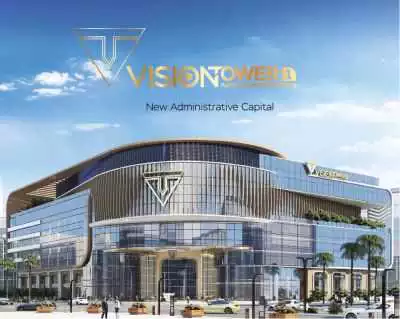
If you’re considering commercial property in the New Capital, Vision Tower probably came up in your research. The National Real Estate Development Group developed this project in the Central Business District, combining retail and administrative spaces in one building.
I’m not here to sell you on it with big promises. What matters is whether the fundamentals make sense for your situation—location access, unit practicality, payment terms you can actually manage, and realistic expectations about returns.
The New Capital is still forming. That means opportunity, but it also means uncertainty. Vision Tower New Capital sits in a spot that should benefit from government and business activity, assuming development continues as planned. The project offers payment flexibility, which helps if you don’t have a large amount of cash sitting around.
Let me walk you through what actually matters: where it is, what you’re getting, what it costs, and who it makes sense for. No hype, just the information you need to make a smart decision.
Vision Tower New Capital Location
Vision Tower sits in Downtown New Capital, specifically in the Central Business District. That’s not just marketing language—it’s proximity to where things are happening.
The government quarter and Diplomatic District are nearby. That brings foot traffic from employees, visitors, and service providers who need places to eat, shop, and conduct business. The Green River landmark is close enough to use as a reference point, which helps as the city’s layout becomes more familiar.
Access is decent. The Mohammed Bin Zayed axis connects the New Capital to Cairo and surrounding areas without forcing you through congested neighborhoods. The Suez Road provides another route, particularly useful for clients coming from eastern Cairo or coastal areas.
The Central Business District is still filling in, but that’s part of the calculation. Getting in early usually means better pricing, assuming the infrastructure and development continue. Current progress looks reasonable, though nothing is guaranteed in a city that’s still being built.
What Vision Tower Actually Is?
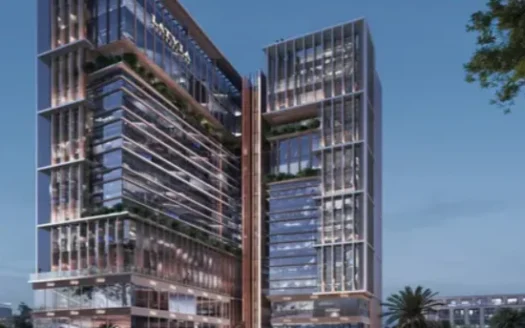
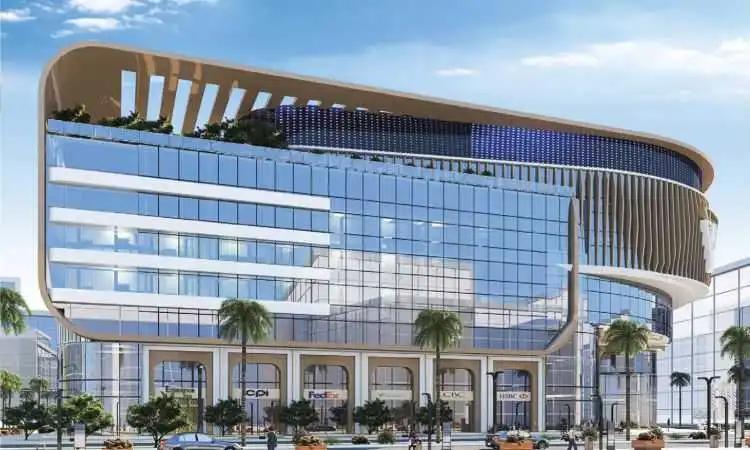
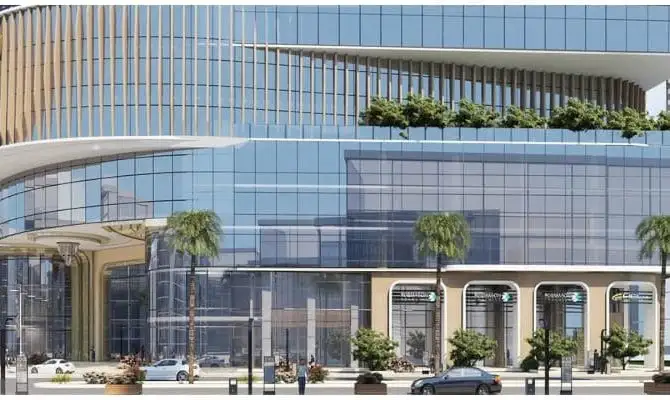
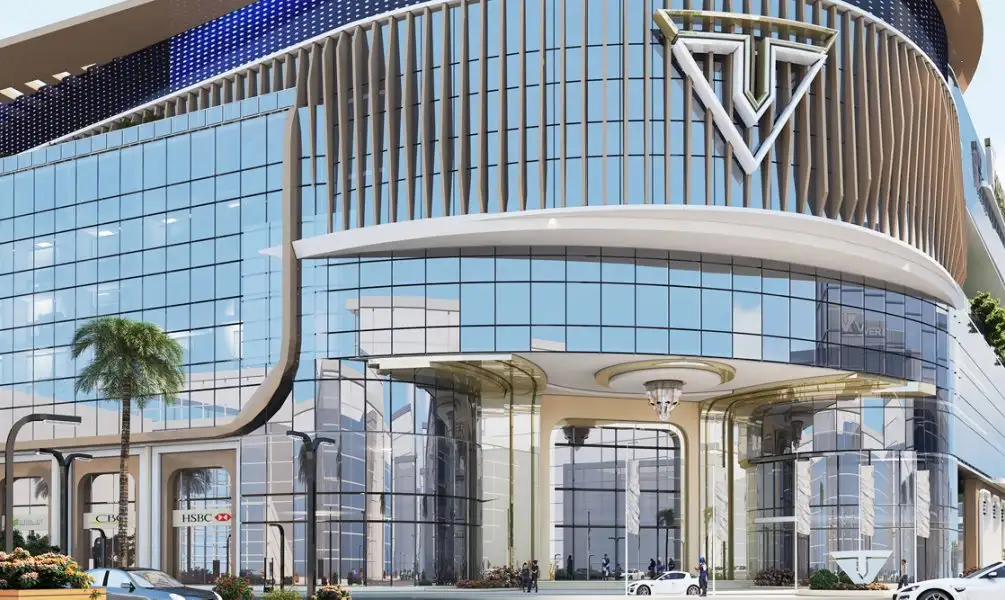
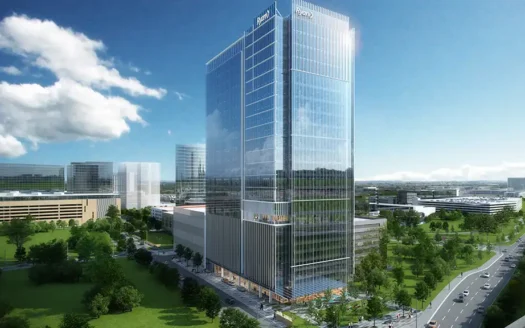
This is a commercial and administrative building. Ground and first floors house retail units—shops, cafes, service businesses. Upper floors contain administrative offices ranging from small professional spaces to larger corporate setups.
The design of Vision Tower New Capital comes from architectural and engineering consultants, though specific names don’t get much publicity. What matters more is the layout: units are designed with flexibility so different business types can move in without major renovations.
Green spaces are integrated throughout, which is becoming standard in New Capital projects. These aren’t just for show—they make the environment more pleasant for customers and employees spending time there.
Parking facilities are included. For commercial property, this isn’t optional. Without adequate parking, even well-located retail and office spaces struggle to attract tenants and customers.
Vision Tower New Capital aims for professional presentation in common areas—lobbies, hallways, entrances. First impressions matter, especially for service businesses and professional offices where clients visit regularly.
Vision Tower New Capital Unit Sizes
Retail spaces on the ground floor in Vision Tower start around 30 square meters for boutique shops or service providers, going up to larger spaces that can handle restaurants or anchor tenants.
Administrative units on upper floors offer more range. You’ll find options from 40 square meters—good for small offices or startups—up to 200 square meters or more for established businesses needing multiple rooms and reception areas.
This variety is practical. Not every investor needs a large space, and not every business model requires it. A consulting firm has different needs than a retail shop, and the layout acknowledges that.
Floor plans in Vision Tower are straightforward without unusual angles or wasted space. For commercial property, efficient use of square meters directly impacts your return, whether you’re leasing the space or using it yourself.
Vision Tower New Capital Pricing
Commercial units in the New Capital vary widely in price based on location, developer reputation, and payment terms. Vision Tower sits in the mid-range—not the cheapest option, not the premium tier.
Retail units on lower floors cost more per square meter because of visibility and foot traffic potential. Administrative spaces cost less per meter but require larger total investments if you need significant space.
Cash payment discounts are available, which is standard. If you can pay upfront, you’ll save a percentage—usually 5-10% depending on timing and negotiation. Most buyers use installment plans though.
Payment plans of Vision Tower typically extend over several years with a down payment followed by quarterly or semi-annual installments. Exact terms depend on when you buy and which unit you’re purchasing. Longer payment periods mean smaller individual payments but more interest built into the total price.
One thing to verify: whether prices are fixed or tied to construction milestones. Some developers adjust pricing as the project progresses, which can work for or against you depending on market conditions.
Vision Tower Payment Plans
Vision Tower offers installment systems designed to make commercial property accessible without requiring full cash payment upfront. The typical structure involves a down payment—often 10-15% of the total unit price—followed by payments spread over five to eight years.
Some plans extend past the delivery date, meaning you’re paying while the building is still under construction. This is common in the New Capital, where projects launch early to secure buyers and fund development. The trade-off is lower initial pricing compared to completed, ready-to-use properties.
Maintenance and management fees of Vision Tower are separate from the purchase price. These cover common areas, security, cleaning, and facility management. Get clear numbers before committing, as these ongoing costs affect your overall investment return, especially if you’re planning to lease the unit.
For investors, the payment structure matters as much as the headline price. A slightly higher total cost with manageable installments often works better than a lower price requiring large upfront capital. Calculate what works for your cash flow, not just what looks cheapest on paper.
Vision Tower New Capital Facilities
- Commercial properties need more than four walls. Vision Tower includes several facilities that affect daily operations and long-term value.
- Security systems cover the building with surveillance and controlled access points. For businesses handling inventory, client data, or simply wanting peace of mind, this infrastructure matters.
- High-speed internet infrastructure is built in, which is increasingly essential for administrative spaces. Even retail units need reliable connectivity for payment systems and inventory management.
- Common areas in Vision Tower New Capital are designed for professional presentation. The quality of lobbies, hallways, and entrances reflects on businesses operating there, particularly for service businesses and professional offices where clients visit.
- Maintenance services handle cleaning, repairs, and facility management. The quality varies by developer and management company, so checking their track record on other projects gives you a better sense of what to expect.
- Parking allocation of Vision Tower should match the number and type of units. This directly impacts retail sales and office accessibility. Confirming the ratio during due diligence is worth doing.
Who This Makes Sense For?
Vision Tower works best for specific situations. If you’re a business owner needing space in the New Capital for operations—a law office, medical clinic, consulting firm, or retail business—this provides a functional location without overpaying for premium branding.
Investors looking for rental income should consider the demand side carefully. Administrative spaces will attract businesses relocating to or expanding into the New Capital. Retail units depend on surrounding residential density and foot traffic, which is still building in the area.
The payment plans of Vision Tower New Capital favor buyers who have steady income but not large liquid capital. If you can manage installments over several years while the property appreciates and the area develops, the math can work.
This isn’t right for everyone. If you need immediate occupancy, buying in a completed, operational building makes more sense. If you’re risk-averse about new developments, established areas in Cairo offer more certainty, though at higher prices with less growth potential.
About the Developer
The National Real Estate Development Group is behind Vision Tower. They’ve been involved in several projects within the New Capital and other Egyptian cities, focusing primarily on commercial and mixed-use developments.
Developer reputation affects construction quality, delivery timelines, and after-sales service. Research their previous projects—talk to buyers if possible, visit completed buildings, and check for delays or quality issues.
No developer is perfect, but patterns tell you what to expect. Consistent delays across multiple projects suggest planning or financial issues. Quality complaints indicate construction shortcuts. Responsive customer service during and after sales shows they value long-term reputation.
The National Real Estate Development Group positions itself as a mid-tier developer—not the luxury segment, but aiming for reliable delivery and reasonable quality. Verify this through independent research rather than marketing materials.
Comparing Your Options
The New Capital has numerous commercial projects, so Vision Tower isn’t your only choice. Comparing helps clarify whether it’s right for your specific needs.
Location-wise, Vision Tower’s Central Business District position competes with other Downtown projects. Some offer better visibility or corner locations; others are set further back but may cost less.
Pricing varies significantly across developers. Premium developers charge more but often deliver higher-quality finishes and more reliable timelines. Budget options save money upfront but may cut corners on construction or amenities.
Payment flexibility differs too. Some projects offer longer installment periods or lower down payments, which affects accessibility for different buyer budgets.
Unit sizes and configurations should match your business needs. If Vision Tower’s layouts don’t fit your operations, a project with different floor plans might serve you better, even at a similar price point.
Common Questions About Vision Tower
What do units typically cost?
Pricing varies by unit size, floor level, and whether it’s retail or administrative space. Retail units on lower floors generally cost more per square meter because of visibility and foot traffic. Administrative offices on upper floors have lower per-meter costs but require larger total investments for adequate space.
Cash discounts of 5-10% are often available for upfront payment. For specific current pricing, contact the developer directly, as prices adjust based on construction progress and market conditions.
How do the installment plans work?
Vision Tower typically offers installment plans ranging from five to eight years after an initial down payment. The down payment usually falls between 10-15% of the total unit price, though this can vary based on promotions or negotiation.
Payments are structured quarterly or semi-annually. Longer payment periods reduce individual installment amounts but increase the total price paid over time. Confirm exact terms directly with sales representatives, as they can change based on project phase and buyer timing.
Is the building finished?
Like many New Capital projects, Vision Tower launched for sale during the construction phase. This pre-delivery sales model allows developers to fund construction while offering buyers lower entry prices.
Delivery timelines should be confirmed directly with the developer, as construction schedules can shift. Buying during construction means waiting to occupy or lease your unit, but it often provides better pricing than purchasing completed properties. Ask for specific delivery dates and any penalty clauses if delays occur.
What ongoing costs should I plan for?
Maintenance fees cover common areas, security, cleaning, and facility management. These are charged monthly or quarterly and continue as long as you own the unit.
Utility connections, property taxes, and insurance are additional costs. If you’re leasing the unit, maintenance fees typically transfer to tenants, but verify this in lease agreements.
Request a clear breakdown of all ongoing costs before purchasing, as they directly affect your return on investment, particularly for rental income calculations.
Can foreign investors buy units?
Egyptian property law generally allows foreign ownership of commercial properties, though specific restrictions may apply depending on location and property type. The New Capital has been actively encouraging foreign investment, making processes relatively straightforward.
You’ll need proper documentation, including passport copies and potentially proof of funds. Working with a local attorney experienced in real estate transactions helps navigate legal requirements and ensures proper registration. Confirm current regulations directly, as property laws can change.
What’s the rental market like?
Rental demand is growing as businesses and government entities relocate to the New Capital, but it’s still developing compared to established Cairo districts. Administrative spaces attract companies setting up operations in the new city, while retail depends on surrounding residential density.
Current rental yields vary, and projections depend on continued infrastructure development and population growth. Research comparable properties and their occupancy rates. Early-stage markets offer growth potential but carry more uncertainty than mature areas with established demand.
Vision Tower New Capital presents a straightforward commercial investment opportunity in Egypt’s developing administrative capital. The location in the Central Business District provides access to government and business activity, while flexible payment plans make entry possible without massive upfront capital.
You’re buying into a developing area where demand is still building and infrastructure is ongoing. Construction timelines carry inherent uncertainty, and rental markets in new cities take time to mature.
For the right buyer—someone comfortable with moderate risk, able to manage installment payments, and willing to wait for the area to develop—the fundamentals are reasonable. The unit sizes work for various business types, the developer has a track record, and the pricing sits in an accessible range.
Do your homework. Visit the site, compare alternatives, verify developer claims, and calculate total costs including maintenance and fees. Talk to other buyers if you can. Check completed projects from the same developer.
Commercial property in the New Capital can make sense, but only when the specific project matches your financial capacity and business needs. Vision Tower offers one path worth evaluating among several options in the area. Whether it’s the right path depends on your specific situation and how the numbers work for you.
Frequently Asked Questions
Pricing varies by unit size, floor level, and whether it’s retail or administrative space. Retail units on lower floors generally cost more per square meter because of visibility and foot traffic. Administrative offices on upper floors have lower per-meter costs but require larger total investments for adequate space.
Cash discounts of 5-10% are often available for upfront payment. For specific current pricing, contact the developer directly, as prices adjust based on construction progress and market conditions.
Vision Tower typically offers installment plans ranging from five to eight years after an initial down payment. The down payment usually falls between 10-15% of the total unit price, though this can vary based on promotions or negotiation.
Payments are structured quarterly or semi-annually. Longer payment periods reduce individual installment amounts but increase the total price paid over time. Confirm exact terms directly with sales representatives, as they can change based on project phase and buyer timing.
Like many New Capital projects, Vision Tower launched for sale during the construction phase. This pre-delivery sales model allows developers to fund construction while offering buyers lower entry prices.
Delivery timelines should be confirmed directly with the developer, as construction schedules can shift. Buying during construction means waiting to occupy or lease your unit, but it often provides better pricing than purchasing completed properties. Ask for specific delivery dates and any penalty clauses if delays occur.
Maintenance fees cover common areas, security, cleaning, and facility management. These are charged monthly or quarterly and continue as long as you own the unit.
Utility connections, property taxes, and insurance are additional costs. If you’re leasing the unit, maintenance fees typically transfer to tenants, but verify this in lease agreements.
Request a clear breakdown of all ongoing costs before purchasing, as they directly affect your return on investment, particularly for rental income calculations.
Egyptian property law generally allows foreign ownership of commercial properties, though specific restrictions may apply depending on location and property type. The New Capital has been actively encouraging foreign investment, making processes relatively straightforward.
You’ll need proper documentation, including passport copies and potentially proof of funds. Working with a local attorney experienced in real estate transactions helps navigate legal requirements and ensures proper registration. Confirm current regulations directly, as property laws can change.
Rental demand is growing as businesses and government entities relocate to the New Capital, but it’s still developing compared to established Cairo districts. Administrative spaces attract companies setting up operations in the new city, while retail depends on surrounding residential density.
Current rental yields vary, and projections depend on continued infrastructure development and population growth. Research comparable properties and their occupancy rates. Early-stage markets offer growth potential but carry more uncertainty than mature areas with established demand.
Similar Listings

Core The Business Hub New Capital
Iris Mall New Capital | A Practical Look...
Prices of Ryan Tower Mall New Capital 20...