Description
When you’re sorting through residential compounds in the New Administrative Capital, Botanica comes up fairly often—especially if you’re focused on the R7 district. It’s developed by New Generation Developments, a company that’s newer to the market but backed by partners with longer track records.
What makes it worth looking at isn’t flashy marketing or over-the-top promises. It’s the practical side: a payment plan that spreads costs over ten years, a location near government facilities, and unit sizes that work for actual families rather than just investors looking to flip.
This isn’t about selling you on the compound. It’s about laying out what Botanica actually offers, where it fits compared to other R7 options, and who it makes sense for. If you’re comparing projects in this area or trying to figure out whether the numbers work for your situation, here’s what you need to know.
The Developer Behind Botanica New Capital
New Generation Developments is the company that built Botanica. They were formed in 2018 through a partnership between Cairo Capital Developments and Emarat Misr. That makes them relatively new as a standalone entity, but they’re not starting from scratch.
Cairo Capital has been working in residential development for over twenty years. Emarat Misr brings contracting experience from projects in Egypt, Saudi Arabia, and other markets. So while New Generation Developments itself is young, the people behind it have built things before.
Their other projects include Winter New Alamein and L’Hiver New Alamein, both coastal developments. Botanica New Capital is their first major project in the New Capital, which means they’re still proving themselves in this specific market.
The reported initial investment was 100 million dollars for the first year. Dr. Mohamed Shawky is listed as the architectural consultant—he’s worked on several New Capital projects and has some recognition for master planning work.
Does that guarantee flawless execution? No. But it does mean this isn’t a fly-by-night operation with no construction background.
Where Botanica New Capital Sits and What That Gets You
Botanica is in the 7th residential district, specifically the E2A block. If you’re not familiar with how the New Capital is organized, R7 is one of the central residential zones positioned between the government district and the Green River park.
The compound is on Mohamed Bin Zayed Axis, which is one of the main north-south roads. That gives you direct routes without navigating through smaller internal streets.
- The Government District is about ten minutes by car. If you work in public sector roles or deal with government paperwork regularly, that proximity matters.
- The Diplomatic Quarter is right next to R7, which has influenced development standards in this area.
- The Green River—a large landscaped park—is a few minutes away. Useful if you want outdoor space beyond your compound.
- The Medical City is roughly ten minutes out, and Capital International Airport is about fifteen minutes depending on traffic.
- The Expo City, parliament building, and Masjid Misr are all within reasonable distance. You’re also near the central business district where offices and commercial developments are concentrated.
Unit Types and What’s on Offer
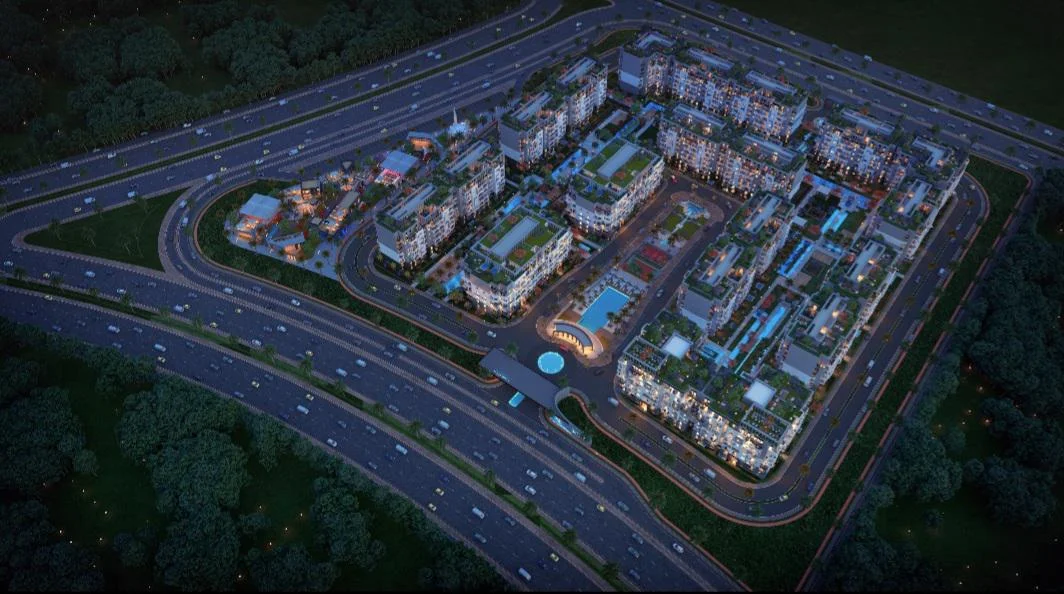
Botanica New Capital has 22 residential buildings spread across roughly 24 acres. Each building is ground floor plus seven upper floors, with two elevators per building.
There are around 966 units total, which tells you something about density. About 20% of the land is buildings, with the remaining 80% going to landscaping, amenities, and service areas.
Unit types break down like this:
- Studios start at 70 sqm. These work for singles or young couples who want a foothold in the New Capital without overextending financially.
- Two-bedroom apartments start around 120 sqm and go up to roughly 150 sqm. These are the core offering—suitable for small families or professionals who need space for a home office.
- Three-bedroom apartments range from about 154 sqm to 220 sqm. These fit larger families or buyers who want more room for long-term living.
- Duplexes are available in larger sizes, starting around 403 sqm. These are less common and priced higher.
All units in Botanica come fully finished, so you’re not dealing with bare concrete handover. The finishes are described as meeting international construction standards, though specific brands and materials aren’t widely detailed in available information.
Each building has underground parking allocated to residents rather than open public parking.
Pricing and How Payments Work
Prices in Botanica start at approximately 7,752,000 EGP for entry-level apartments. The per-square-meter price begins around 9,200 EGP, though this shifts based on unit type, floor level, and view.
For a 155 sqm two-bedroom apartment, you’re looking at a starting price in that 7.7 million EGP range. Three-bedroom units in the 180–200 sqm range cost more, while duplexes start around 17.9 million EGP.
The payment plan is straightforward:
- 10% down payment when you sign
- Remaining balance spread over 10 years
- No interest charges mentioned in available materials
This payment structure of Botanica competes well with other R7 compounds, where down payments range from 5% to 20% and installment periods vary between seven to ten years. The zero-interest aspect is standard in the Egyptian residential market.
One detail worth noting: clubhouse membership is included in the unit price with no additional subscription fee. That’s not always the case in comparable projects.
Botanica New Capital Design and Layout
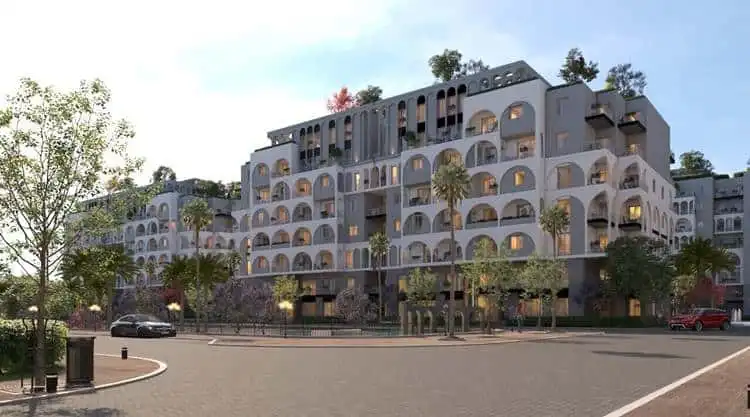
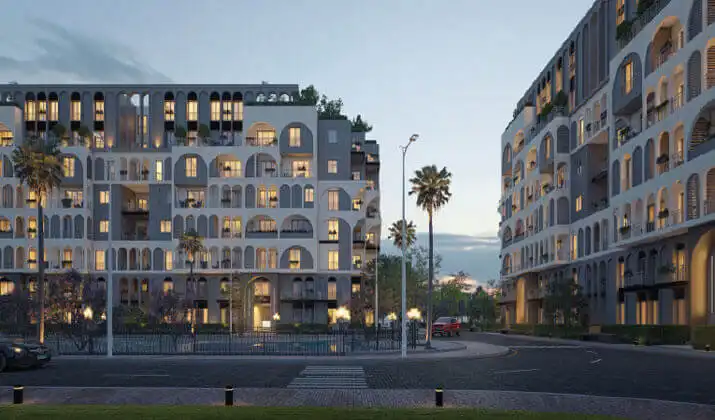
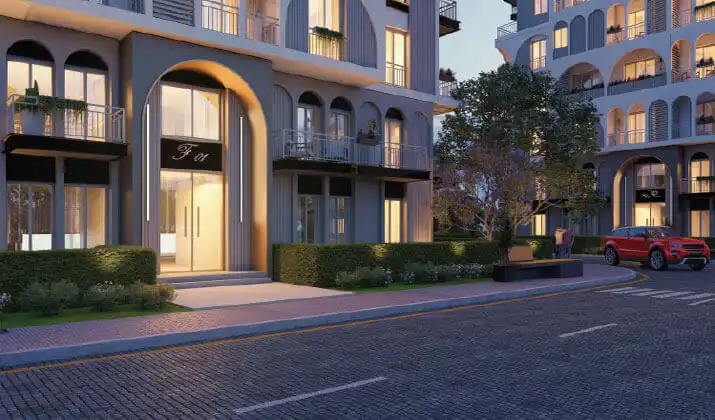
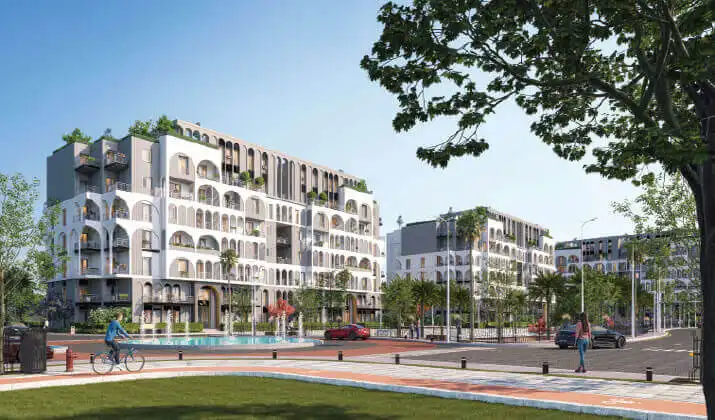
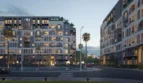
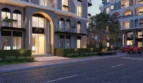
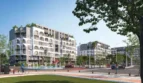
The architectural design pulls from Italian-inspired contemporary styles—clean lines, symmetrical facades, emphasis on natural light. The buildings aren’t particularly tall by New Capital standards, which keeps the overall feel more open.
The master plan of Botanica prioritizes green space. With 80% of land dedicated to non-building uses, you get landscaped areas between buildings, walking paths, and water features including artificial lakes.
Each building is designed for cross-ventilation and natural light, with units featuring balconies or terraces. Ground floors include some commercial space for daily retail, though the main commercial area is a separate mall structure along the compound’s facade.
Landscaping includes a mix of local and imported plant species, with emphasis on drought-resistant greenery suited to the New Capital’s climate. Water features are more decorative than functional, designed to enhance views and create cooler microclimates in common areas.
Solar panels in Botanica are integrated to supplement power for common areas, which is becoming standard in newer New Capital projects as a cost-saving measure.
Amenities: What’s Actually There
Compound Botanica New Capital includes the usual range of amenities for a mid-to-upper-range New Capital project:
- Clubhouse is the central recreational facility—gym, spa, indoor activities, and a women’s-only swimming pool. It’s positioned centrally for access from all residential buildings.
- Sports facilities include outdoor courts for football, basketball, and padel. There’s also a jogging track and cycling lanes that loop through the compound.
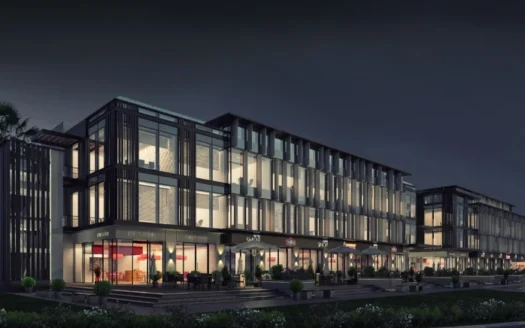
- Commercial mall in Botanica New Capital runs along the front facade. It’s designed for daily needs—supermarkets, pharmacies, cafes—rather than destination shopping.
- Children’s play areas are distributed throughout the compound, with safety surfacing and age-appropriate equipment.
- Security infrastructure of Botanica includes gated entry with electronic access, CCTV coverage across common areas, and a 24/7 security team. Standard for compounds in this price range.
- Green spaces and water features with walking paths, seating areas, and landscaped zones between buildings. The artificial lakes are aesthetic rather than recreational.
- Medical services include an on-site clinic and pharmacy for basic health needs.
Who This Compound Makes Sense For?
Botanica New Capital works best for:
- Mid-level professionals and government employees who work in or near the New Capital and want to avoid long commutes from Cairo or October. The payment plan suits steady income earners who can manage installments over a decade.
- Small to medium families looking for a primary residence rather than an investment property. The two- and three-bedroom units are sized for actual living, not just weekend use.
- First-time compound buyers who want amenities and security but don’t need premium finishes or a brand-name developer. You’re trading some prestige for better payment terms.
- Buyers who prioritize location over unit size. If being in R7 near government facilities matters more than having a 250 sqm apartment, Botanica offers that trade-off.
Who it’s less suited for:
- Investors looking for quick flips. The developer is newer, and the project doesn’t have the brand recognition that drives speculative demand.
- Buyers who need immediate delivery. With a two-year construction timeline, this is for people who can wait or who are currently renting.
- Those who want cutting-edge design or smart home integration. Botanica is well-executed but conventional—it’s not pushing boundaries in technology or architecture.
How It Compares to Other R7 Projects?
To put Botanica in context against other R7 compounds:
- Scene 7 has a similar location, slightly higher price per meter (starting around 10,000 EGP/sqm), but a more established developer. Payment terms are similar but with a different design aesthetic.
- Bleu Vert positions itself as more upscale, with larger average unit sizes and higher finishing standards. Payment plans are less flexible, typically requiring 15% down.
- Zavani is comparable in price and payment structure, but with a different developer. Design leans more modern-minimalist versus Botanica’s Italian-inspired approach.
- Compounds adjacent to the Green River tend to command a premium because of direct park access, often adding 10-15% to per-meter prices.
Botanica sits in the middle of this pack—not the cheapest option in R7, but also not competing at the top tier. The main differentiator is the 10-year payment plan with minimal down payment, which gives it an edge for buyers with limited upfront capital.
Frequnetly Asked Questions About Botanica
Is buying under construction here a safe bet?
New Generation Developments has backing from established construction firms, which reduces some risk. However, as a newer developer in the New Capital, they don’t have a long delivery track record here. The two-year timeline is relatively short for a project this size. Check for building permits, review the contract’s penalty clauses for delayed delivery, and consider visiting the site to assess actual progress. Under-construction properties offer price advantages—you’re paying current rates for a future asset—but verify everything independently.
What are the actual monthly costs beyond the installment?
Beyond installment payments, budget for monthly maintenance fees (typically 3-5 EGP per sqm in similar compounds, so 600-1,000 EGP monthly for a 150 sqm unit). Utilities aren’t included—electricity, water, and gas are metered separately. Property tax will apply based on unit value. If you’re financing through a bank rather than the developer’s installment plan, add mortgage interest. Clubhouse access is included, but some premium services within it may carry additional fees.
How does R7 location affect resale value long-term?
R7 is positioned as a residential hub near government facilities, which should provide stable demand from public sector employees and diplomats. This typically translates to steadier—if not spectacular—resale values. The area isn’t as commercially dynamic as the business district, so you won’t see the same speculative appreciation. For a primary residence, this is actually positive. For investment, expect moderate returns tied to the overall success of the New Capital as people actually move in.
Are two elevators per building actually sufficient?
With eight floors and roughly 40-50 units per building (based on 966 units across 22 buildings), two elevators should handle normal traffic. Morning and evening rush periods might see some waiting, but it’s workable. This is better than single-elevator buildings but not as robust as three-elevator setups in premium towers. If you have mobility concerns or young children, consider lower floor units to reduce elevator dependency.
Can I rent out my unit, and what’s the rental market like?
Rentals are permitted in most New Capital compounds including Botanica, though check your specific contract. The R7 rental market is still developing as the area populates. Current rental yields in the New Capital average 4-6% annually, lower than established Cairo neighborhoods but with potential to improve. Demand comes primarily from government employees, diplomats, and corporate relocations. Furnished units rent more easily than unfurnished.
Botanica offers a middle-ground option in R7—solid location, reasonable pricing, and flexible payment terms without the premium branding of some competitors. It makes the most sense for buyers who prioritize accessibility to government facilities and want a primary residence rather than a speculative investment.
The developer’s relative newness means you’ll want to do your due diligence more carefully than you would with a decades-old company. But the backing structure and initial investment suggest they’re serious about delivery. The two-year construction timeline is ambitious but not unrealistic for a project of this scale.
If you’re comparing R7 compounds, put Botanica on your shortlist alongside Scene 7, Bleu Vert, and Zavani. Visit the site, review actual construction progress, and compare specific units available rather than relying on marketing materials. The 10-year payment plan is genuinely competitive, but make sure you’re comfortable with the total cost and monthly obligations you’re taking on.
The New Capital is still proving itself as a functional city rather than just a development concept. Projects like Botanica will either mature into established neighborhoods or remain partially occupied for years. Your decision should factor in that uncertainty alongside the very real advantages of getting in at current prices with manageable payment terms.
Frequently Asked Questions
New Generation Developments has backing from established construction firms, which reduces some risk. However, as a newer developer in the New Capital, they don’t have a long delivery track record here. The two-year timeline is relatively short for a project this size. Check for building permits, review the contract’s penalty clauses for delayed delivery, and consider visiting the site to assess actual progress. Under-construction properties offer price advantages—you’re paying current rates for a future asset—but verify everything independently.
Beyond installment payments, budget for monthly maintenance fees (typically 3-5 EGP per sqm in similar compounds, so 600-1,000 EGP monthly for a 150 sqm unit). Utilities aren’t included—electricity, water, and gas are metered separately. Property tax will apply based on unit value. If you’re financing through a bank rather than the developer’s installment plan, add mortgage interest. Clubhouse access is included, but some premium services within it may carry additional fees.
R7 is positioned as a residential hub near government facilities, which should provide stable demand from public sector employees and diplomats. This typically translates to steadier—if not spectacular—resale values. The area isn’t as commercially dynamic as the business district, so you won’t see the same speculative appreciation. For a primary residence, this is actually positive. For investment, expect moderate returns tied to the overall success of the New Capital as people actually move in.
With eight floors and roughly 40-50 units per building (based on 966 units across 22 buildings), two elevators should handle normal traffic. Morning and evening rush periods might see some waiting, but it’s workable. This is better than single-elevator buildings but not as robust as three-elevator setups in premium towers. If you have mobility concerns or young children, consider lower floor units to reduce elevator dependency.
Rentals are permitted in most New Capital compounds including Botanica, though check your specific contract. The R7 rental market is still developing as the area populates. Current rental yields in the New Capital average 4-6% annually, lower than established Cairo neighborhoods but with potential to improve. Demand comes primarily from government employees, diplomats, and corporate relocations. Furnished units rent more easily than unfurnished.
Similar Listings
Zavani New Capital Compound Prices 2026
Compound Serrano New Capital | What You&...
Midtown Condo New Capital | What Better ...