
Description
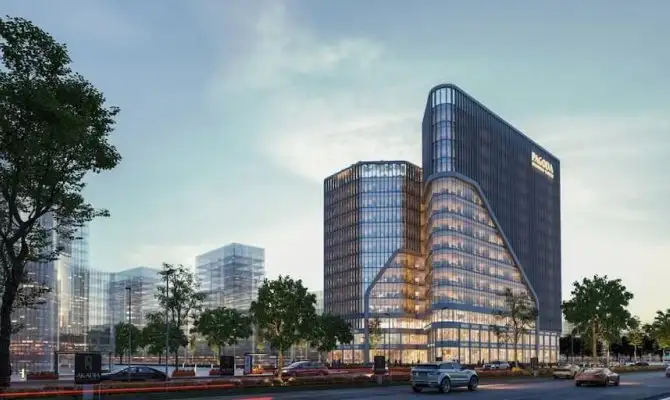
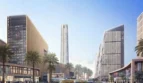
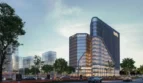
Pagoda Mall New Capital occupies parcel 87 in Downtown, directly across from the Gold Souk. Akadia Developments is building it as a mixed-use commercial project—ground floor plus ten levels holding retail, administrative, and medical units.
The location matters here. You’re steps from the Monorail station, minutes from the government district, and surrounded by residential towers that are either finished or nearly there. Downtown isn’t a gamble anymore in terms of infrastructure. The roads are in, the Green River is operational, and there’s actual foot traffic during business hours.
What separates Pagoda Mall from others in the area comes down to three things: the franchise management model for some commercial units, the delivery terms that include full finishing for administrative and medical spaces, and a nine-year payment plan that’s longer than most competing malls offer.
This isn’t about hype. It’s about understanding what Akadia is delivering, how the numbers work, and whether the location and unit mix align with what you’re trying to accomplish as an investor or business owner.
The Developer Behind Pagoda Mall
Akadia Developments and Real Estate Investment runs this project. They’re based in the Fifth Settlement and have completed work in Shorouk, New Cairo, and now the New Capital. Their previous projects include Pagoda Business Tower in the capital, residential buildings in El Shorouk’s Al-Andalus and Lotus areas, and several Fifth Settlement developments.
For Pagoda Mall, they brought in Egyptian consultancy firms rather than handling everything internally. Concept Engineering Consultancy worked with Dr. Yasser Mansour, CUBE Consulting with Dr. Ashraf Abdel Mohsen, OKOPLAN under Dr. Tamer El Kharazaty, and LAND Consultancy led by Dr. Akram Farouk. Engineering faculty from Ain Shams University also contributed to the planning.
This approach—relying on external technical expertise—suggests they’re prioritizing execution quality over speed. It doesn’t eliminate risk, but it does show they’re working with people who understand structural and regulatory requirements.
Akadia’s track record is solid for mid-scale projects. They finish what they start, which matters when you’re committing to payments over nearly a decade.
Where Pagoda Mall Sits and Why That Matters?
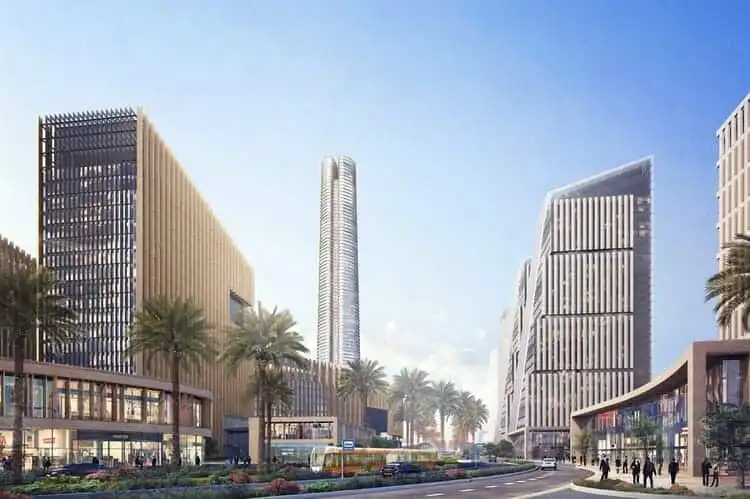
Pagoda Mall is in Downtown’s parcel 87, facing the Gold Souk. This puts it in the center of one of the capital’s most developed commercial zones.
You’re ten minutes from the government district by car, five minutes from Green River Park, and walking distance to the Monorail station. The Exhibition Grounds and Opera House are about ten minutes away. Three major axes run through or near Downtown, connecting you to other parts of the capital without complicated routes.
Nearby, you have residential towers like Burj ProMark, the Bodia Tower platforms, and several completed or near-complete buildings. The Mosque of Egypt is close enough to increase weekend and evening activity.
The Gold Souk across the street generates consistent traffic. Government employees working nearby need lunch spots, coffee, services. Residents in surrounding towers want convenience. That baseline demand exists now, not three years from now.
What’s Inside Beyond the Units
Pagoda Mall New Capital covers 2,144 square meters total. About 750 square meters are built space—the rest is landscaping, parking, and water features.
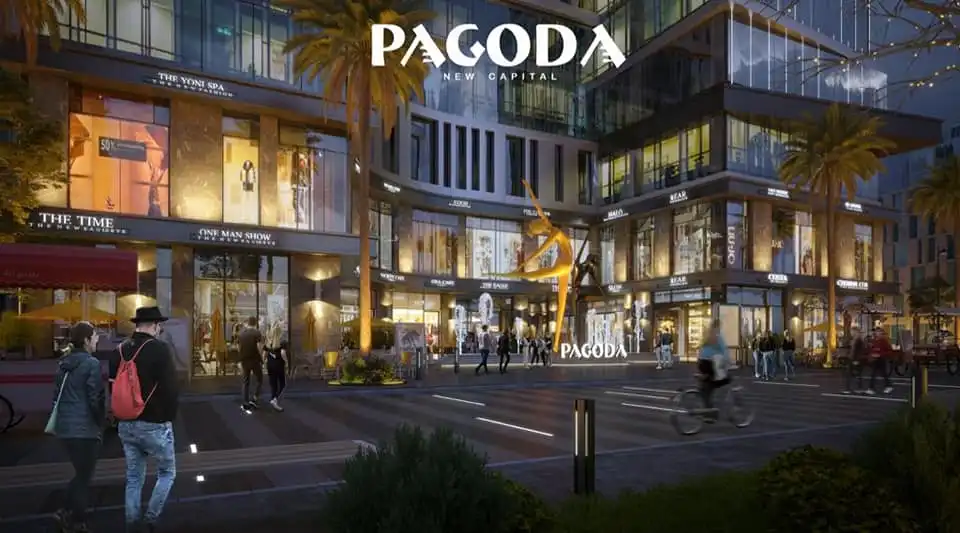
The ground floor and first two floors hold commercial units. Floors three through ten are for administrative and medical spaces. This vertical separation keeps retail noise and foot traffic away from office environments.
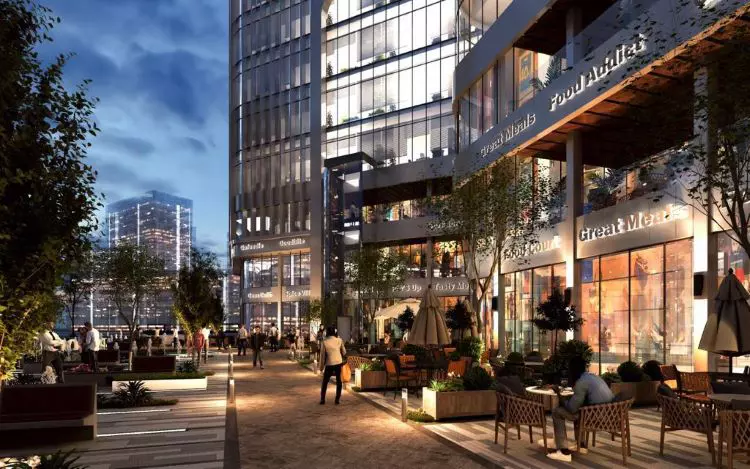
Pagoda Mall includes a food court designed for international restaurant and café brands. There’s a children’s entertainment area, a multi-level parking garage, and modern elevator systems. Solar panels provide part of the power, with backup generators covering outages.
Security involves guards at entrances, surveillance cameras throughout, and fire suppression systems. Maintenance staff handle daily cleaning and repairs. Internet infrastructure covers the building, and there are conference halls for meetings or events.
A health club with gym, spa, and steam rooms is planned in Pagoda Mall, along with outdoor landscaping that includes artificial lakes and fountains. European management will oversee operations, though the specific company hasn’t been named in available materials.
These are standard features for commercial projects at this scale in the capital. Their actual value depends entirely on post-delivery management quality, which you can’t fully assess until the building is operational.
Design Approach and Layout
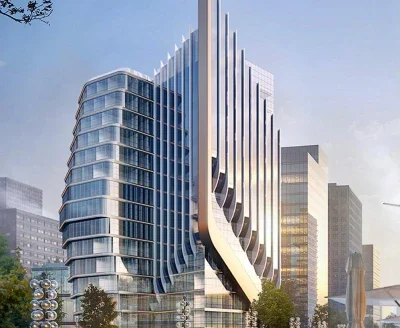
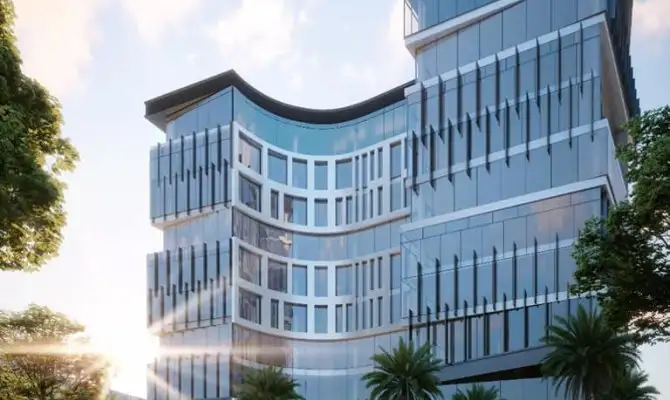
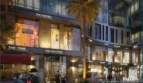
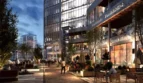
The building of Pagoda Mall uses glass facades with interior layouts that separate commercial, administrative, and medical functions by floor. Akadia worked with European firms on the exterior and interior design, aiming for something that looks contemporary without ignoring regional preferences.
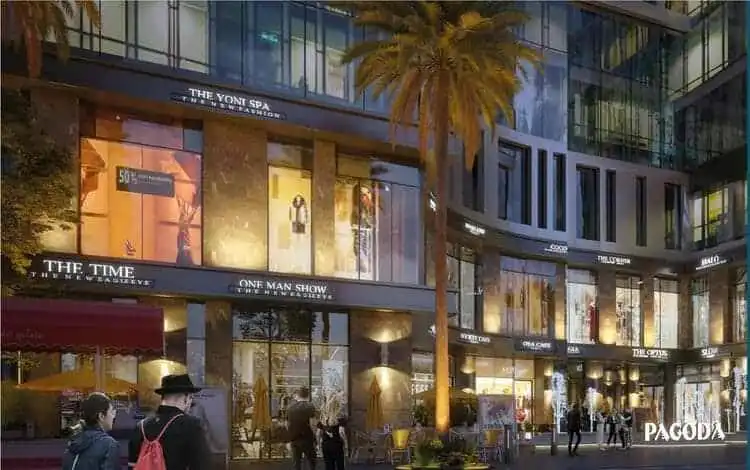
Ground through second floor focuses on retail and dining—high visibility, high traffic. Upper floors are quieter, better suited to office work or medical consultations. This separation reduces conflicts between unit types and helps maintain a professional environment on upper levels.
The glass exterior in Mall Pagoda New Capital increases natural light and makes units more visible from outside, which helps with retail appeal. Landscaping around the building adds green space, though how well that’s maintained over time is always a question.
Design quality in the New Capital varies wildly between projects. Pagoda’s use of established consultancies suggests they’re paying attention to structural and aesthetic details, but you won’t know for certain until delivery.
Unit Types, Sizes, and How Pricing Works
Pagoda Mall New Capital offers three categories: commercial, administrative, and medical. Each has different starting sizes and price structures.
- Commercial units start at 25 square meters. Standard commercial spaces begin at 32,000 EGP per square meter. Units that come with franchise management contracts can reach 90,000 EGP per square meter.
- Administrative units start at 20 square meters, priced from 16,000 EGP per square meter. These come with air conditioning, full finishing, and furnishings included.
- Medical units also begin at 20 square meters, starting at 22,000 EGP per square meter. They’re delivered finished and equipped like administrative units.
The pricing in Pagoda Mall spread is significant. A basic commercial unit costs half what a franchise-managed space does per square meter, but the franchise option includes operational infrastructure and reduces your management burden.
For investors without retail experience, the franchise model makes sense. You’re paying for reduced risk and established systems. If you want control over your business or have your own brand, standard commercial units offer flexibility at a lower entry cost.
Administrative and medical units are priced competitively compared to other Downtown projects, especially considering they include finishing and furnishings.
Payment Terms and Delivery Schedule
Akadia asks for 10% down with the balance spread over nine years in equal installments, no interest. This is one of the more accessible payment structures you’ll find for commercial real estate in the capital.
Delivery timelines vary by unit type. Administrative and medical units are handed over with full finishing, air conditioning, and furnishings. Franchise-managed commercial units come with all equipment and finishing after two to three years. Standard commercial units are delivered in red brick form—you handle your own fit-out.
How This Compares to Other Downtown Options?
Several malls compete in Downtown: Paragon Mall, De Joya, Paris Mall, Champ Elysees, Vinci Street Mall. Each has different developers, pricing, and delivery schedules.
Pagoda Mall advantages are its location directly opposite the Gold Souk, competitive per-square-meter pricing for administrative and medical units, and the franchise management option for commercial spaces. The nine-year payment plan is longer than most competitors.
Potential downsides: it’s still under construction, so delivery timelines carry inherent risk. The franchise model’s 75/25 profit split might not work for everyone. European management is promised but not detailed in available materials.
When comparing, consider what you’re trying to accomplish. If you want a hands-off retail investment with brand support, Pagoda Mall franchise model is relevant. If you need a medical or administrative unit with immediate finishing, the included fit-out saves time and cost. If you want maximum control and lower upfront costs, other projects might fit better.
Visit multiple projects, compare contracts, and talk to other investors who’ve worked with these developers.
Frequently Asked Questions Pagoda Mall
Who manages Pagoda Mall after delivery?
Akadia says a European management company will handle operations, but they haven’t named the firm publicly. This management covers security, maintenance, tenant relations, and facility operations. Ask the sales team for specifics before signing. Mall management quality directly affects occupancy rates and your unit’s long-term value.
Can I sell my unit before finishing payments?
Yes, but you’ll need to settle outstanding payments or transfer the obligation to the buyer. The developer may charge a transfer fee. Check whether your sales contract allows assignment. Resale value depends on market conditions, construction progress, and how much you’ve paid. Get resale and transfer terms in writing.
Are franchise units better investments than standard commercial spaces?
Depends on your experience and risk tolerance. Franchise units cost more (up to 90,000 EGP vs. 32,000 EGP per square meter) but include brand recognition, operational support, and lease agreements. You get 75% of profits while the brand handles marketing and management. Standard units are cheaper and offer full control, but you find tenants and manage operations yourself. If you’re new to retail, franchises reduce operational risk.
What are the actual delivery dates of Pagoda Mall?
Administrative and medical units come with full finishing, but Akadia hasn’t published specific handover dates in available materials. Franchise-managed commercial units are expected after two to three years. Standard commercial units follow a similar timeline. Ask for projected delivery dates in writing and check the developer’s history of meeting deadlines. Delays happen frequently in large projects.
Is the location genuinely good for foot traffic?
Parcel 87 in Downtown, opposite the Gold Souk, benefits from proximity to government offices, the Monorail, residential towers, and cultural venues. This creates baseline daily activity. However, the New Capital is still filling up, and actual foot traffic depends on how quickly surrounding areas reach capacity. The location is promising but not yet a guaranteed high-traffic zone. Visit the site and observe current activity before deciding.
What are ongoing costs after purchase?
Expect annual maintenance fees, property taxes, and utilities. If you lease your unit, you’ll handle tenant turnover expenses. Franchise-managed units may have additional brand agreement fees. Akadia hasn’t published detailed service charge breakdowns, so request a full cost estimate from the sales team. Ongoing costs significantly affect net return, especially early on when occupancy might be lower.
Conclusion
Pagoda Mall New Capital is a straightforward commercial investment in a location that’s already functional rather than speculative. Downtown has infrastructure, traffic, and a reason for people to be there daily. Akadia’s track record and use of external consultancies suggest competent execution, though some risk remains with any pre-delivery project.
The nine-year payment plan and varied unit types provide flexibility whether you want a hands-off franchise investment or a space you can customize. Compare pricing, delivery terms, and ongoing costs with competing projects. Visit the site, review the contract carefully, and confirm management details before committing.
Pagoda Mall isn’t your only option in Downtown, but for buyers who value location, flexible payment, and included finishing, it deserves serious consideration. The franchise model is particularly relevant if you’re entering retail without prior experience. Administrative and medical units offer competitive pricing with finishing included, which saves time and coordination.
Do your due diligence. Talk to the sales team, visit competing projects, and understand exactly what you’re committing to over nine years. The fundamentals here are solid—the rest depends on your specific investment goals and risk tolerance.
Similar Listings
Front Gate New Capital Prices 2026
Pixel Mall New Capital | What You Need t...
Ronza Tower New Capital | What You Need ...