


Description
Egypt’s New Administrative Capital continues its gradual build-out, and ITC Mall New Capital sits within this evolving landscape as a mixed-use commercial project. Located where Al-Amal axis meets Mohammed bin Zayed Street, the development covers roughly 8,000 square meters and includes retail, administrative, and medical spaces under one roof.
The project isn’t breaking new ground conceptually—it’s a straightforward commercial mall with an office component. What matters is whether its location, pricing, and unit mix make sense for your investment criteria or business needs. The New Capital’s growth trajectory remains the central variable here.
If the government successfully relocates ministries and attracts corporate headquarters, developments like ITC Mall benefit from proximity and infrastructure. If growth stalls or oversupply becomes an issue, even well-positioned projects face headwinds.
This analysis walks through what ITC Mall offers, how it compares on pricing, and what you should consider before committing capital.
The Development Itself
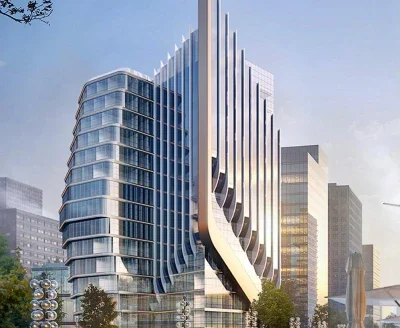
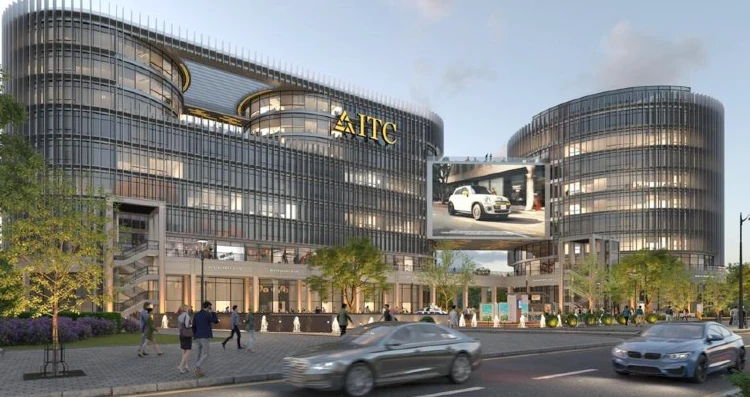
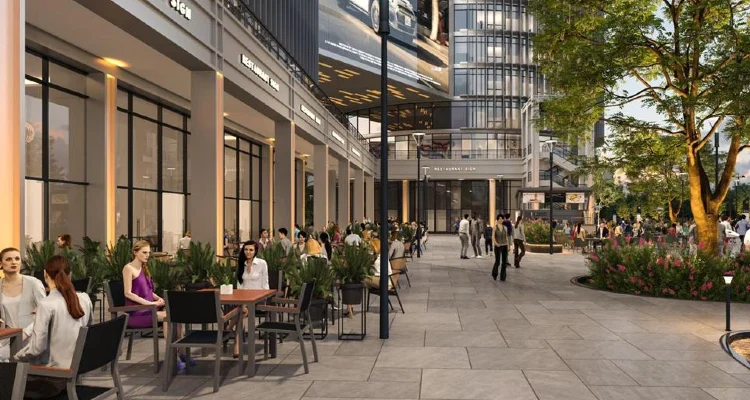
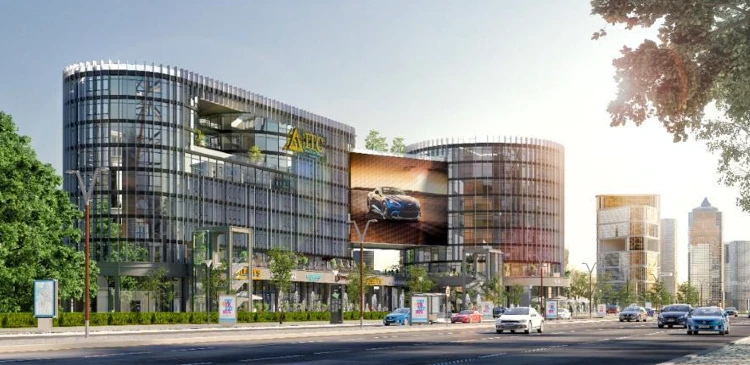
ITC New Capital Mall centers around a tower that serves as both landmark and functional space. The architecture follows modern commercial standards—glass facades, open atriums, pedestrian circulation designed to move people through retail areas. Nothing revolutionary, but competently executed based on available renderings and specifications.
The 8,000 square meter footprint accommodates various unit sizes starting from 20 square meters for commercial spaces. This range allows smaller retailers and service providers to enter without leasing oversized units they can’t fill or afford.
ITC Mall New Capital incorporates what developers call sustainable features—solar panels, water conservation systems, energy-efficient building materials. These elements reduce operating costs over time, which matters for landlords managing rental units and owner-occupiers watching overhead. Whether these systems deliver advertised savings depends on implementation quality and ongoing maintenance, neither of which you can fully assess until operations commence.
The mall’s position near the Central Business District puts it within reach of government offices and corporate tenants relocating to the New Capital. This clustering effect creates natural demand for lunch spots, coffee shops, professional services, and convenience retail. The logic is sound, but execution depends on how quickly the surrounding area actually fills with workers and residents.
Location Breakdown
The intersection of Al-Amal axis and Mohammed bin Zayed Street provides multi-directional access. These aren’t minor side streets—they’re primary arteries designed to handle significant traffic volumes as the New Capital expands.
Proximity to the Green River project and Trinity complex adds recognizable reference points. In a city still taking shape, where street addresses mean little to most people, nearby landmarks help businesses give directions and build mental maps for customers.
Transport infrastructure currently favors private vehicles. Wide roads and planned parking facilities accommodate car-dependent residents, but public transit remains limited. Future phases supposedly include expanded bus networks and potentially light rail, though timelines remain uncertain. For now, customers and tenants need cars to reach ITC comfortably.
Residential compounds within a few kilometers are gradually filling. As occupancy rates increase in these developments, local demand for shopping and services grows. This demographic shift represents actual market fundamentals rather than speculative projections.
Commercial Units and Retail Considerations
Commercial spaces start at 20 square meters and scale up depending on business requirements. Pricing sits at 115,000 EGP per square meter, placing ITC Mall in the upper-middle range for New Capital commercial real estate.
Whether this pricing makes sense depends entirely on your revenue model. High-turnover retail concepts with strong margins can absorb higher square meter costs. Specialized services with lower transaction volumes need to run the numbers carefully—your breakeven analysis should account for realistic foot traffic, not optimistic developer projections.
Unit positioning within ITC Mall affects value significantly. Street-facing spaces with external visibility command premiums for good reason—they don’t rely solely on mall traffic. Interior units depend on anchor tenants drawing customers through the doors. If anchor tenants underperform or vacate, interior spaces suffer disproportionately.
The Mall ITC New Capital offers payment plans extending seven years with down payments typically between 10-20%. This structure reduces upfront capital requirements, which helps investors spread risk across multiple properties or preserve liquidity for fit-out costs and initial operating expenses.
Projected annual returns around 15% appear in marketing materials. Treat these figures as aspirational rather than guaranteed. Actual returns depend on tenant quality, vacancy rates, management effectiveness, and broader economic conditions. Conservative underwriting assumes longer lease-up periods and higher vacancy rates than developers project.
Administrative and Medical Spaces
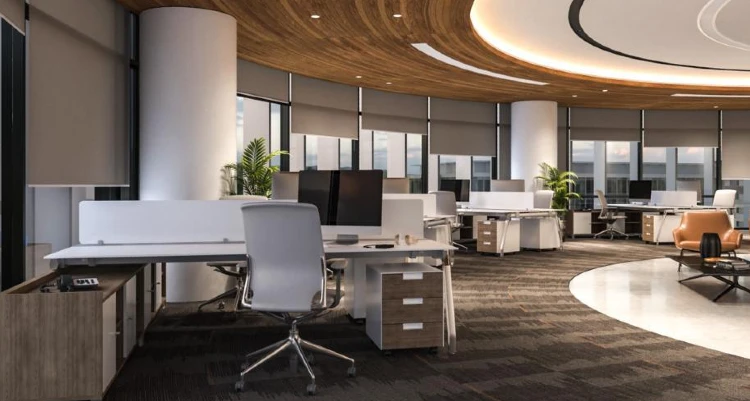
Administrative units in ITC Mall New Capital start at 4,250,000 EGP and target professional service firms, consultancies, and corporate offices. These spaces allow customization—partition walls, reception areas, conference rooms configured to specific business needs.
Office tenants value proximity to government ministries and corporate headquarters. If your consulting practice serves public sector clients or your law firm handles regulatory matters, location near decision-makers matters. The clustering effect generates referral business and facilitates face-to-face meetings that video calls can’t fully replace.
Medical units in ITC Mall represent a distinct investment category. Healthcare providers need spaces meeting regulatory standards for clinical operations. The ITC New Capital Mall includes units designed for medical use, though specific compliance details should be verified with relevant health authorities.
The New Capital’s growing population creates demand for accessible healthcare services. Families moving into residential compounds need pediatricians, dentists, general practitioners within reasonable driving distance. Medical tenants often sign longer leases than retail tenants, providing more stable cash flow for investors.
Shared amenities in ITC Mall include conference facilities and meeting rooms available to tenants. These spaces reduce individual fit-out costs while providing professional environments for client meetings. The quality and availability of these shared facilities affects tenant satisfaction and lease renewal rates.
Investment Variables to Consider
ITC Mall presents different risk-return profiles across unit types. Commercial retail depends heavily on consumer spending patterns and foot traffic. Administrative spaces rely on corporate demand and professional service sector growth. Medical units require specialized tenants but may offer more predictable occupancy.
Property appreciation in the New Capital remains speculative. Infrastructure improvements and population growth could drive values higher. Oversupply in certain segments could suppress gains or even cause values to stagnate. Sector selection matters—some categories may outperform while others disappoint.
The seven-year payment plan commits buyers to long-term obligations. This works if you’re confident about the area’s trajectory and your ability to meet payment schedules. It adds risk if market conditions deteriorate, development delays occur, or your financial situation changes unexpectedly.
Currency considerations affect foreign investors. Exchange rate fluctuations between your home currency and Egyptian pounds impact the real cost of purchases and the value of rental income. Hedging strategies or dollar-denominated lease terms can mitigate some currency risk.
Facilities and Operational Elements
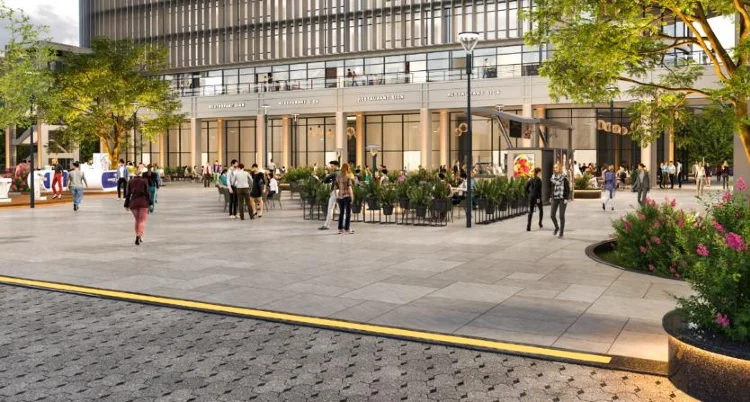
ITC includes amenities designed to attract visitors and serve tenants. A spa offers relaxation services, while multiple restaurants and cafes provide dining options across different price points. These facilities aim to position the mall as a destination rather than purely transactional shopping stop.
An on-site gym with standard equipment caters to fitness-conscious visitors and office tenants. For administrative tenants, this amenity adds value by giving employees convenient wellness options without leaving the building.
Elevators and escalators in ITC New Capital ensure multi-level accessibility. This matters particularly for medical units and administrative offices where clients may have mobility limitations or simply expect professional-grade building services.
Green spaces in Mall ITC New Capital surrounding the development provide outdoor areas for breaks and informal meetings. Landscaping quality varies significantly across New Capital projects—some deliver on renderings, others fall short. Assess actual implementation rather than trusting promotional images.
Security infrastructure includes surveillance systems and trained personnel. Maintenance services conduct regular facility checks. These operational aspects significantly impact tenant satisfaction and visitor perception, yet they’re difficult to evaluate before operations commence. Research the developer’s track record on property management in other projects.
Entertainment options in ITC New Capital Mall include cinemas and family play areas. These features aim to extend visit duration and create repeat traffic. Success depends on programming quality and management effectiveness—poorly maintained entertainment facilities become liabilities rather than assets.
Frequently Asked Questions
What are typical operating hours for ITC Mall New Capital?
The mall generally operates 10 AM to 10 PM daily, though hours may adjust during holidays or special events. Individual tenants maintain their own schedules—medical clinics and administrative offices typically follow business hours rather than retail schedules. Confirm specific tenant hours before visiting, especially during initial operational phases when schedules may still be stabilizing.
How does ITC Mall pricing compare to other New Capital commercial developments?
At 115,000 EGP per square meter for commercial units, ITC Mall sits in the mid-to-upper range. Other developments vary significantly based on location, scale, and target market. ITC’s Central Business District proximity justifies premium pricing compared to developments in less central locations. Larger mall projects might offer more extensive entertainment options but potentially higher costs. Your decision should depend on specific business requirements and target customers rather than general market comparisons.
What financing options exist for purchasing units?
Standard payment plans extend up to seven years with down payments typically 10-20% of unit price. Some promotions offer discounts for larger deposits or accelerated payment schedules. Verify current terms directly with the developer, as conditions change. Explore bank financing options as well—different terms may be available depending on your financial profile and unit type. Foreign buyers should understand currency implications of long-term payment commitments.
Can foreign investors purchase units, and what legal considerations apply?
Foreign investors can purchase ITC Mall units. Qualifying property investments may support Egyptian citizenship applications under specific government programs, though thresholds and requirements change periodically. Legal considerations include ownership structure verification, rental income repatriation rules, and tax obligations. Work with a local legal advisor familiar with New Capital real estate transactions to navigate regulatory requirements and ensure proper documentation. Currency exchange considerations affect real costs for foreign buyers.
How developed is surrounding infrastructure and what remains pending?
Major road networks around ITC Mall are operational and basic utilities function. The Green River project and nearby residential compounds continue developing, with occupancy rates gradually increasing. Public transportation remains limited—most residents rely on private vehicles.
Future phases of ITC Mall include expanded transit options and additional commercial developments that will increase overall area activity. The New Capital is a work in progress. Set expectations accordingly rather than assuming complete infrastructure. Visit the site personally to assess current conditions versus promotional materials.
ITC Mall New Capital represents a straightforward commercial development in a city still taking shape. Its location near the Central Business District and major transportation axes provides legitimate advantages. Unit diversity accommodates different business types and investment strategies.
Pricing in ITC Mall falls within the mid-to-upper range for the area. Whether this represents value depends on your specific use case and confidence in the New Capital’s continued growth. Flexible payment terms reduce upfront capital requirements but commit buyers to long-term obligations.
Projected returns around 15% annually sound attractive but require verification against realistic occupancy assumptions and operating costs. The development’s amenities and sustainability features add value, though their impact on actual business performance varies.
For investors and business owners, ITC Mall warrants consideration as part of a broader evaluation of New Capital opportunities. Visit the site personally, assess surrounding development progress, and compare offerings across multiple projects before committing. The New Capital’s success isn’t guaranteed—it depends on government follow-through on ministry relocations, corporate tenant attraction, and infrastructure completion.
Developments like ITC Mall position themselves to benefit if the city achieves its intended role as Egypt’s administrative hub. If growth disappoints or oversupply materializes, even well-located projects face challenges. Run conservative financial models, understand your exit options, and size positions appropriately within your broader portfolio.
Similar Listings

Core The Business Hub New Capital
Pixel Mall New Capital | What You Need t...
Ronza Tower New Capital | What You Need ...