Description
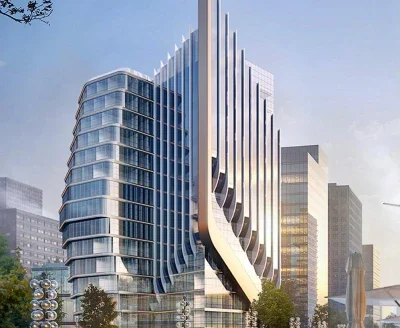
The New Administrative Capital keeps pulling in commercial investors, and ARQA Developments has entered the Downtown area with Aviary Park. This is a 21,000-square-meter commercial building near the Mohammed bin Zayed North Axis—retail on lower floors, offices above, medical units scattered throughout.
It’s part of the larger I-Business Park development. The pitch is straightforward: smaller unit sizes starting at 31 square meters, payment plans stretching to nine years, and pricing that doesn’t require the budget of larger corporate buyers. The target is clear—smaller investors and businesses wanting a New Capital address without the premium cost of flagship developments.
This breakdown covers what Aviary Park New Capital Mall actually includes, where it sits in relation to what matters, and who should consider it versus who should probably look elsewhere.
What ARQA Built and How It’s Structured?
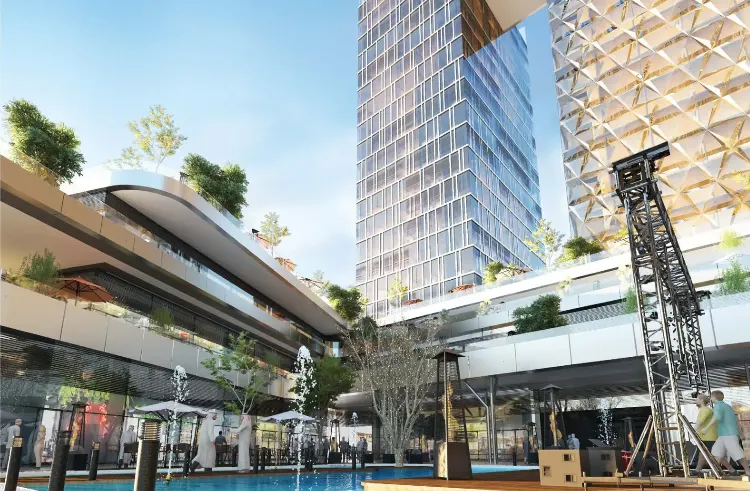
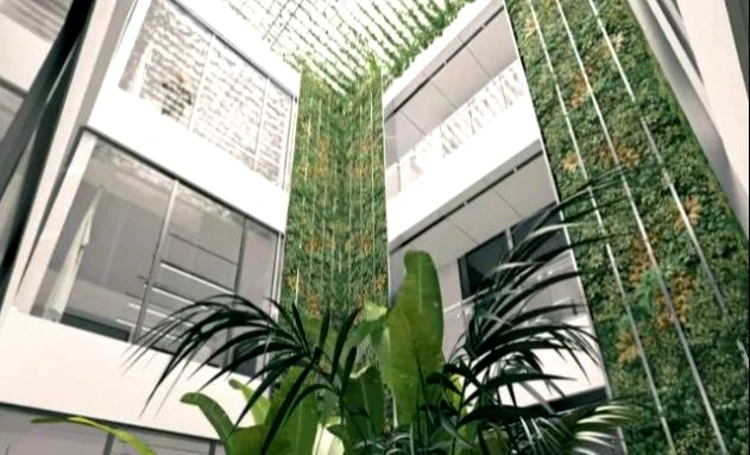
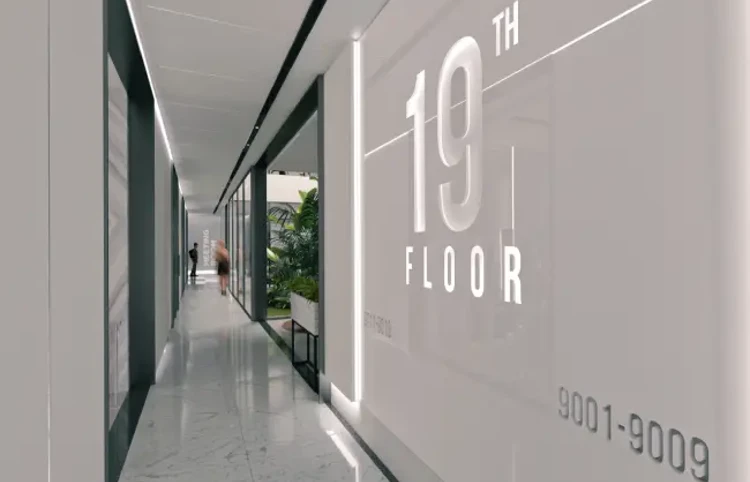
Aviary Park covers about five acres in Downtown. ARQA put 80% of that into green space and landscaping—noticeably more open than most commercial buildings packed into the same district. The structure rises 91 meters across a ground floor plus 20 levels above.
Lower floors handle commercial storefronts. Mid-levels are administrative offices. Medical units sit in designated sections. ARQA also added hanging restaurants with sightlines toward the Iconic Tower, which is less common in purely office buildings.
The architectural approach is contemporary commercial standard—glass facades, modular layouts, open floor plans. It’s built for adaptability across different business types rather than making a visual statement. Functional, not decorative.
Location Details in Downtown New Capital
Aviary Park sits where Mohammed bin Zayed North Axis meets the Central Axis. That puts it walking distance from the Green River and about 10 minutes by car from the Monorail station. For businesses depending on foot traffic and client access, this positioning matters.
The Green River is roughly 5 minutes on foot. Al Masa Hotel sits in the immediate Downtown area. The Monorail station is accessible within 10 minutes by car. Heaven Tower and Triv Mall are neighboring commercial developments.
The location benefits from infrastructure work the government has pushed through—wider roads, public transport connections being built out, utility upgrades. These improvements address some of the accessibility problems that hit earlier New Capital projects. That said, travel times from Cairo and Giza still run 45 to 90 minutes depending on traffic patterns.
Unit Categories and Size Ranges
Aviary Park New Capital offers three main unit types with varying sizes:
- Commercial Units: These start at 31 square meters on ground and lower floors. They work for retail shops, service providers, small showrooms. Larger options go up to 140 square meters for businesses needing storage or multiple service areas.
- Administrative Offices: Office spaces begin at 31 square meters and run up to 167 square meters. Smaller units suit freelancers, consultancies, satellite offices. Mid-sized options around 100-120 sqm fit small teams or professional service firms.
- Medical Units: Clinic spaces start at 40 square meters. Layouts support waiting areas, consultation rooms, basic medical equipment setups. Healthcare providers targeting New Capital residents have options here.
- Hanging Restaurants: Less conventional—these dining spaces start at 64.5 square meters with panoramic views. Designed for café operators or small restaurants serving the building’s tenants and nearby office workers.
The range in unit sizes of Aviary Park gives flexibility on investment budgets. Smaller units will limit operational capacity if you’re planning to expand, so size accordingly.
Pricing and Payment Options
Aviary Park pricing starts around 5,922,000 EGP for entry-level units. Larger commercial and administrative spaces cost more based on size and floor level.
ARQA structured three payment plans:
- 10% down payment, another 10% after one year, then the balance over 100 months. 12% down payment with the balance spread over 7 years. 25% down payment with the balance over 9 years.
- Cash buyers get discounts—up to 33% on administrative units, smaller percentages on commercial spaces. These discounts can meaningfully reduce total investment if you have the liquidity available.
Delivery is scheduled for 2026. That gives roughly two years to arrange financing or adjust business plans. The extended payment terms help smaller investors enter without full upfront capital, though you should account for potential inflation and currency shifts over the payment period.
Building Amenities and Operational Setup
Aviary Park includes standard commercial building features with a few additions:
- Elevators and escalators across all floors in Aviary Park Mall New Capital.
- 24/7 security with on-site guards and full CCTV coverage.
- Smart building systems for remote unit management—lighting, climate control, access.
- Solar energy integration to reduce electricity costs in Mall Aviary Park New Capital.
- High-speed internet infrastructure throughout.
- Fire detection and suppression systems meeting capital safety codes.
- ATMs on multiple floors.
- Equipped meeting rooms available for booking in Aviary Park New Capital Mall.
- Kids’ play area on the ground floor.
- Fitness facilities accessible to tenants.
- 24-hour maintenance and cleaning staff in Aviary Park Mall New Capital.
These align with mid-range commercial developments in the New Capital. The smart systems and solar integration add value if you’re concerned about operating costs. The kids’ area and gym target businesses wanting to offer client amenities beyond basic services.
Mall Aviary Park New Capital operates with centralized management—tenants won’t handle individual utility contracts or security arrangements. That’s helpful for smaller businesses but limits independent control over operational details.
ARQA Developments Background
ARQA was established in 2019 by engineer Helmy Abbas. It’s a relatively new player in Egypt’s real estate market. The company has completed the broader I-Business Park development (Aviary Park is one phase) and the Verdi Villa Compound in Sheikh Zayed.
ARQA also operates in the UAE market with developments along Abu Dhabi’s Corniche and in Shams Abu Dhabi. This international presence suggests exposure to design standards and management practices from more mature markets. That said, the company’s Egypt track record is shorter than established developers like Sodic, Mountain View, or Palm Hills.
For investors, this means evaluating ARQA’s delivery timelines and post-handover service becomes more important. Newer developers often price competitively to build market share, but they may lack the operational infrastructure of larger firms.
What Works and What Requires Consideration?
What works:
The pricing and payment flexibility make Aviary Park accessible to smaller investors and first-time commercial buyers. The Downtown location puts it near government districts and residential clusters, supporting foot traffic once the capital reaches higher occupancy. The green space allocation and hanging restaurant concept differentiate it in a market where many commercial buildings follow identical formats.
What requires consideration:
The New Capital’s overall occupancy remains incomplete. Government employees are relocating and residential compounds are filling, but the area hasn’t reached the density of established Cairo districts. This affects commercial viability—retail and service businesses depend on surrounding population. Lower-than-expected foot traffic could extend break-even timelines.
Transportation infrastructure is improving, but commutes from older Cairo areas still require significant time. If your business relies on clients from Nasr City, Heliopolis, or New Cairo, assess whether your customer base will make the trip regularly.
ARQA’s relative newness means less historical data on construction quality and after-sales service. Request site visits, review construction progress, and clarify warranty and maintenance terms before committing.
Who Should Consider This Project?
Aviary Park fits several profiles:
- Small to mid-sized service businesses looking for affordable New Capital entry points will find the unit sizes and payment plans manageable. Consultancies, legal offices, accounting firms, and similar professional services can operate effectively from the smaller administrative units.
- Healthcare providers targeting New Capital residents—dentists, physiotherapists, diagnostic centers—will benefit from the medical unit layouts and the building’s accessibility.
- Retail and F&B operators willing to build clientele gradually as the capital’s population grows can secure ground-floor commercial spaces at lower prices than mature districts.
- Investors seeking rental income from government employees or corporate tenants relocating to the capital may find steady demand, though rental yields depend on the capital’s overall development pace.
Aviary Park New Capital Mall is less suited for businesses requiring immediate high foot traffic, large operational spaces, or clients unwilling to travel outside established Cairo districts.
Frequently Asked Questions
How does Aviary Park compare to other Downtown commercial projects?
Aviary Park positions itself in the mid-range segment—more affordable than flagship developments like Capital Business Park, but with fewer high-end finishes and smaller unit sizes. The green space allocation and hanging restaurants add differentiation, but the building’s height and visibility are lower than some competing towers.
For investors prioritizing entry price over prestige location, it offers reasonable value. Those seeking premium positioning should compare with projects offering direct Iconic Tower views or government ministry proximity.
What are realistic rental yields for administrative units?
Rental yields in New Capital commercial projects currently range between 6-9% annually, depending on location and tenant quality. Aviary Park’s Downtown position supports the higher end of that range, but actual returns depend on the capital’s occupancy growth.
Early investors may face 6-12 months of vacancy while the area builds population density. Long-term leases to government contractors or corporate tenants offer more stable income than short-term retail leases. Factor in service charges and maintenance costs when calculating net yields.
Is the 2025 delivery timeline realistic?
ARQA set delivery for 2025, giving roughly two years from now. This timeline is achievable if construction maintains current pace and no major regulatory or financing delays occur. New Capital projects have historically faced 6-12 month delays due to infrastructure coordination and utility connections.
Request regular construction updates and clarify penalty clauses for late delivery in your contract. Budget for potential delays in your business planning, particularly if you’re coordinating lease terminations elsewhere.
What happens if the New Capital doesn’t reach expected population levels?
This is the primary risk for all New Capital commercial investments. If government employee relocations slow or residential occupancy remains below projections, commercial demand will lag.
Mitigation strategies include targeting businesses that serve government functions directly (legal, consulting, printing services), accepting longer break-even timelines (3-5 years instead of 1-2), and maintaining flexibility to pivot business models.
The extended payment plans help by reducing upfront capital exposure, but have contingency plans if rental income doesn’t materialize as quickly as hoped.
What are the ongoing costs beyond the purchase price?
Beyond payment installments, budget for maintenance fees (typically 15-25 EGP per square meter monthly), property tax (approximately 10% of annual rental value), utility deposits and monthly bills, and potential fit-out costs to customize your unit.
Commercial units usually require additional investment for storefronts, signage, and interior build-outs, which can add 15-30% to your total investment depending on business type. Request a detailed cost breakdown from ARQA in writing before signing.
Aviary Park offers a practical entry point into New Capital’s commercial real estate market without requiring the capital outlay of larger, more prominent developments. The location works for businesses targeting the capital’s growing population. The payment flexibility accommodates investors who prefer spreading costs over time. The project’s green space emphasis and mixed-use approach add some differentiation in a competitive district.
Success here depends on the broader capital’s development pace. The infrastructure is improving, government relocations continue, and residential occupancy is climbing—but the area hasn’t reached the density that makes commercial real estate consistently profitable yet. This is a medium-term investment, not a quick flip.
If you’re comfortable with a 3-5 year horizon, have a clear business plan for your unit, and understand the risks of investing in a developing district, Aviary Park New Capital deserves consideration. Visit the site, review construction progress, compare with neighboring projects, and make sure the numbers work for your specific situation.
Frequently Asked Questions
Aviary Park positions itself in the mid-range segment—more affordable than flagship developments like Capital Business Park, but with fewer high-end finishes and smaller unit sizes. The green space allocation and hanging restaurants add differentiation, but the building’s height and visibility are lower than some competing towers.
For investors prioritizing entry price over prestige location, it offers reasonable value. Those seeking premium positioning should compare with projects offering direct Iconic Tower views or government ministry proximity.
Rental yields in New Capital commercial projects currently range between 6-9% annually, depending on location and tenant quality. Aviary Park’s Downtown position supports the higher end of that range, but actual returns depend on the capital’s occupancy growth.
Early investors may face 6-12 months of vacancy while the area builds population density. Long-term leases to government contractors or corporate tenants offer more stable income than short-term retail leases. Factor in service charges and maintenance costs when calculating net yields.
ARQA set delivery for 2025, giving roughly two years from now. This timeline is achievable if construction maintains current pace and no major regulatory or financing delays occur. New Capital projects have historically faced 6-12 month delays due to infrastructure coordination and utility connections.
Request regular construction updates and clarify penalty clauses for late delivery in your contract. Budget for potential delays in your business planning, particularly if you’re coordinating lease terminations elsewhere.
This is the primary risk for all New Capital commercial investments. If government employee relocations slow or residential occupancy remains below projections, commercial demand will lag.
Mitigation strategies include targeting businesses that serve government functions directly (legal, consulting, printing services), accepting longer break-even timelines (3-5 years instead of 1-2), and maintaining flexibility to pivot business models.
The extended payment plans help by reducing upfront capital exposure, but have contingency plans if rental income doesn’t materialize as quickly as hoped.
Beyond payment installments, budget for maintenance fees (typically 15-25 EGP per square meter monthly), property tax (approximately 10% of annual rental value), utility deposits and monthly bills, and potential fit-out costs to customize your unit.
Commercial units usually require additional investment for storefronts, signage, and interior build-outs, which can add 15-30% to your total investment depending on business type. Request a detailed cost breakdown from ARQA in writing before signing.
Similar Listings
Front Gate New Capital Prices 2026
Pixel Mall New Capital | What You Need t...
Ronza Tower New Capital | What You Need ...